
The streets of Mumbai, long celebrated for their glittering film sets and bustling markets, were jolted on October 19, 2026, when Bollywood’s rising star Tiger Shroff was shot. The incident, described by officials as a "firing incident involving Tiger Shroff," sent ripples through the entertainment industry and the state’s political corridors alike. For a newcomer to Indian politics, the episode offers a window into how security, celebrity, and partisan rivalry intersect in Maharashtra.
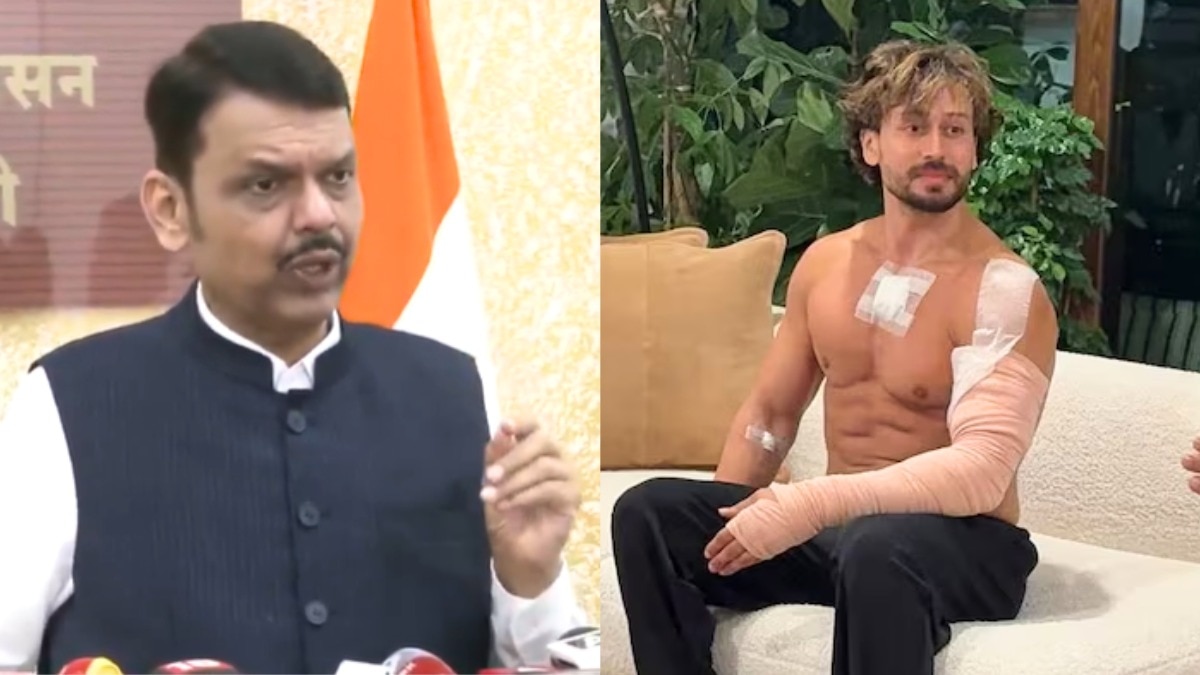
Within hours of the attack, Maharashtra’s Chief Minister Devendra Fadnavis placed a personal phone call to Shroff, a gesture that underscored the political weight the case carried. In that conversation, Fadnavis promised “We will not let go of the attackers, wherever they may be,” a Hindi declaration that signaled both empathy for the victim and a hard‑line stance against the perpetrators. The promise was not merely rhetorical; the CM announced that the state would pursue “tough action” against those responsible, emphasizing that the suspects were believed to be operating from outside Maharashtra.

Tiger Shroff Attack Case Maharashtra CM Devendra Fadnavis vows the strictest action against the shooters and the alleged gangs behind the attack | WATCH @MeenakshiUpreti with details. https://t.co/8S6SwFMMhR
Fadnavis’s remarks quickly turned to praise for the Mumbai Police, whose reputation for handling high‑profile crimes is a cornerstone of the city’s sense of security. He asserted, “Mumbai police are extremely professional. Until today, Mumbai police have shown that such criminals are arrested by Mumbai police.” By foregrounding the police’s professionalism, the chief minister aimed to reassure a public rattled by the violence and to pre‑empt criticism that the state’s security apparatus might be faltering.
For observers unfamiliar with Maharashtra’s political landscape, this tactic illustrates how law‑and‑order issues can become a battlefield for partisan narratives.
In a press briefing, Fadnavis labeled the shooting “a very serious and condemnable matter,” adding that “the Mumbai Police have taken it with the utmost seriousness.” The phrasing mirrors legal language often used in Indian official statements, where “serious” signals a potential escalation to higher investigative bodies and “condemnable” underscores the moral outrage the government wishes to convey. By framing the incident in this way, the CM positioned the state’s response as both swift and proportionate.

#Watch | Actor Tiger Shroff escaped unhurt after shots were fired at his car in Mumbai’s Juhu area on Sunday evening, leaving two injured. Maharashtra Deputy CM Eknath Shinde visited the actor's residence, while CM Devendra Fadnavis assured swift action as police investigate the shooting and search for suspects. https://t.co/yUnE1n4DdK
Beyond the immediate security concerns, Fadnavis seized the moment to critique opposition parties. He accused them of “targeting his government” and of having “committed similar crimes during their time in power.” While no specific opposition figure was named, the accusation reflects a broader pattern in Indian state politics where ruling parties often leverage high‑profile incidents to discredit rivals. For observers unfamiliar with Maharashtra’s political landscape, this tactic illustrates how law‑and‑order issues can become a battlefield for partisan narratives.
The Mumbai Police, acting on clues already obtained, launched an “immediate” investigation, as noted in official communications. The emphasis on “immediate action” is intended to convey urgency and competence, reinforcing the CM’s earlier commendation of the force.

"Shooters who fired at Tiger Shroff will not be spared" -Devendra Fadnavis https://t.co/XprkbD50cc
The rapid, high‑profile response to the Tiger Shroff shooting highlights several dynamics at play in Maharashtra’s security architecture. First, the involvement of a celebrity amplifies public scrutiny, compelling officials to act decisively. Second, the chief minister’s direct engagement—both in personal outreach to the victim and in public statements—signals a political calculus that ties personal safety of high‑profile individuals to the state’s broader image of lawfulness. Finally, the overt criticism of opposition parties underscores how security incidents can be weaponized in the ongoing contest for political legitimacy.
As of the latest updates on October 19, the investigation remains active, with the Mumbai Police continuing to follow leads that may extend beyond Maharashtra’s borders. The chief minister’s pledge of “tough action” suggests that any arrests or prosecutions will be pursued aggressively, and the political rhetoric indicates that the episode will continue to feature in Maharashtra’s partisan debates. For the public, the incident serves as a stark reminder that even the glitter of Bollywood does not shield its stars from the city’s darker currents, and that the state’s response will be closely watched as a barometer of its capacity to protect its citizens—celebrated or otherwise.