
On 2026-10-19 the Berlin SPD’s Landesvorstand gathered for a digital meeting. Twenty‑six members voted in favour of entering coalition talks with the Left and the Greens, while three voted against. The vote was described as a clear majority, signalling the party’s willingness to explore a new governing alliance. The same day the SPD announced it had decided to enter those talks, and the Landesvorstand formally agreed to begin the negotiations. Also on 2026-10-19 the CDU criticised the SPD for politicising the death of Bärbel Bas’s stepdaughter, a remark that stood in contrast to the SPD’s internal deliberations.
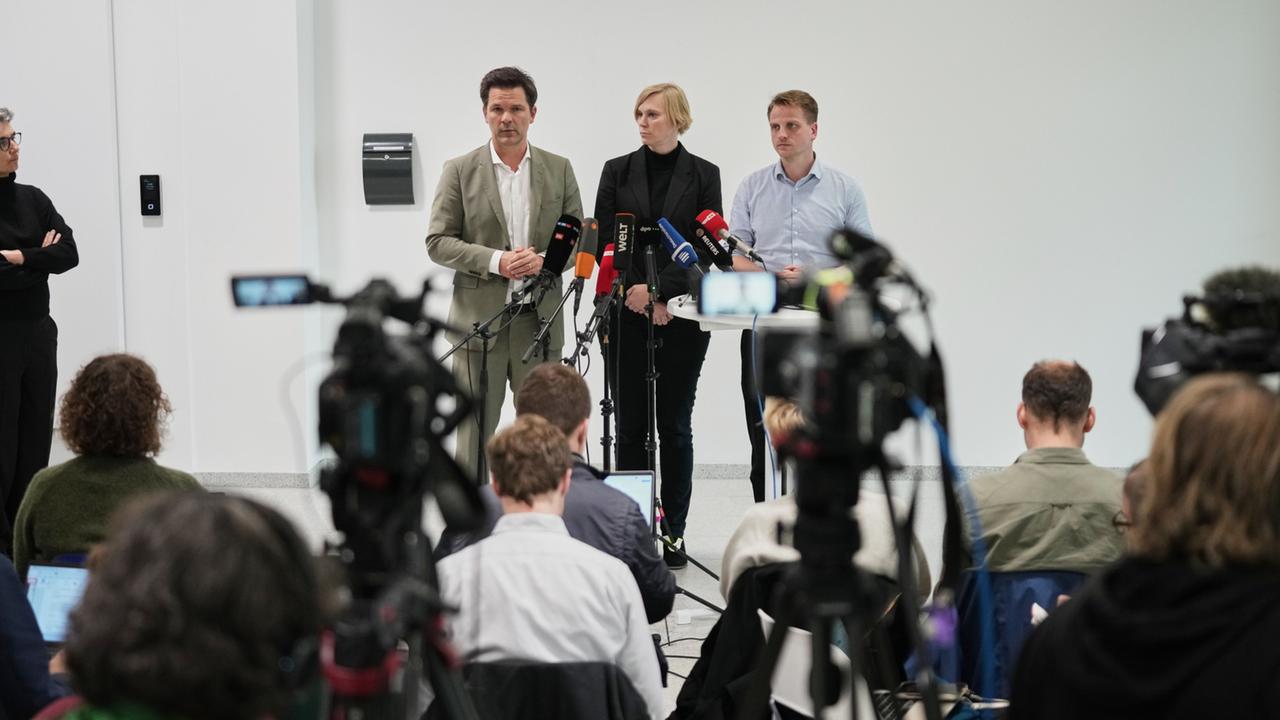
While the SPD had already signalled its readiness, the Greens said they would decide on the start date of the talks in the evening of 2026-10-19, leaving the exact timing open pending an internal party meeting. The Left, meanwhile, announced that its decision would come at its party congress on 2026-10-31. That date also marks the Linke’s Parteitag, after which the party expects to be able to confirm whether it will join the negotiations. The SPD noted that the talks could only begin in early November, following the Left’s congress, and that they would be contingent on a positive decision from both the Greens and the Left.
If the three parties reach an agreement, the coalition would be described as red‑green‑red, reflecting the traditional colours of the SPD, the Greens and the Left. One of the most discussed outcomes is the possibility of the first female Green mayor of Berlin, a milestone that would mark a historic shift in the city’s leadership. Within the Left, the name Elif Eralp has been mentioned as a potential candidate who could become the first female mayor representing that party, should the coalition succeed.
The initial decision was taken on 2026-10-19, the same day the Landesvorstand voted and the CDU made its critical comment.
The parties have already agreed on a substantive programme. They pledged to deliver 100,000 new homes and to strengthen support for public transportation across Berlin. A central element of the housing agenda is the Vergesellschaftung of 160,000 apartments, a process that would bring those units under public or cooperative control. The parties also said they intend to enact laws enabling such expropriation, with the target date set for mid‑2028. Beyond housing, the coalition discussions will focus on combating antisemitism, addressing the future of Israel, and affirming a commitment to Jewish life, the existence of Israel and a two‑state solution. This comprehensive agenda underscores the parties' intent to address both structural social issues and fundamental security commitments in the capital.
All the key dates come from the SPD’s own chronology. The initial decision was taken on 2026-10-19, the same day the Landesvorstand voted and the CDU made its critical comment. The Greens were to decide that evening, while the Left will wait until its party congress on 2026-10-31. After that congress, the talks are expected to begin in early November, provided both the Greens and the Left give a positive go‑ahead. No further specific dates were given beyond the mid‑2028 target for housing‑expropriation legislation.
The Berlin SPD has moved from internal debate to concrete outreach, having secured a clear majority in favour of negotiations with the Left and the Greens. The Greens are still weighing their internal decision, and the Left will finalise its stance at the end of October. Should all three parties agree, the city could see a red‑green‑red government that promises a major housing programme, a renewed focus on public transport, and a set of commitments aimed at protecting Jewish life and supporting a two‑state solution. The next weeks will show whether the talks can move from principle to a concrete coalition agreement.