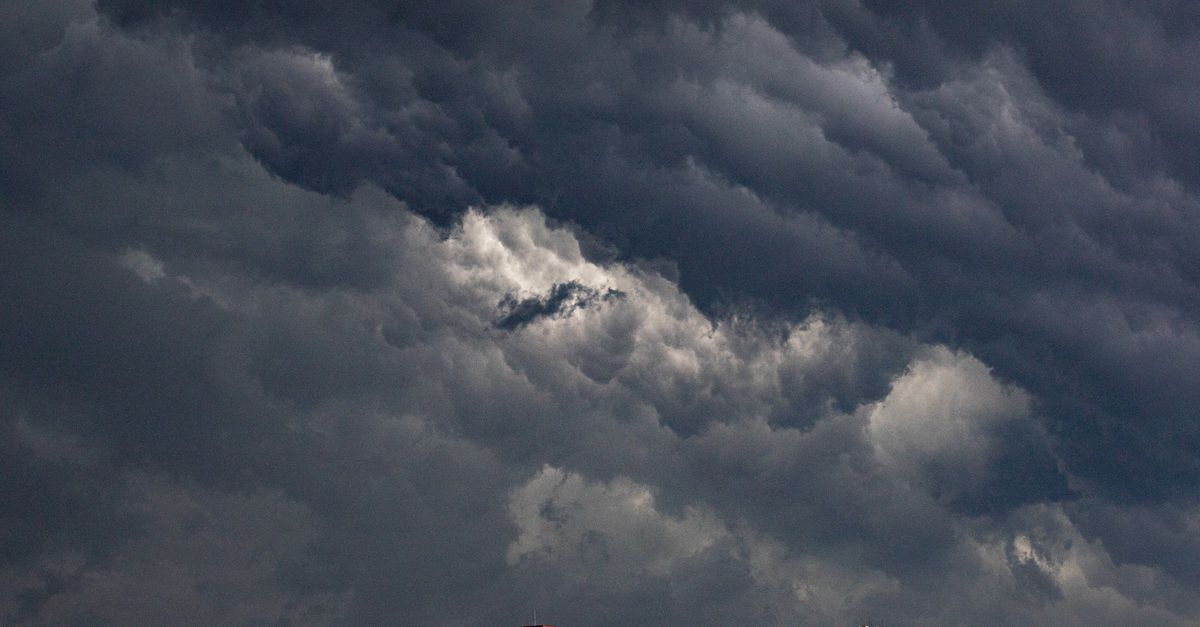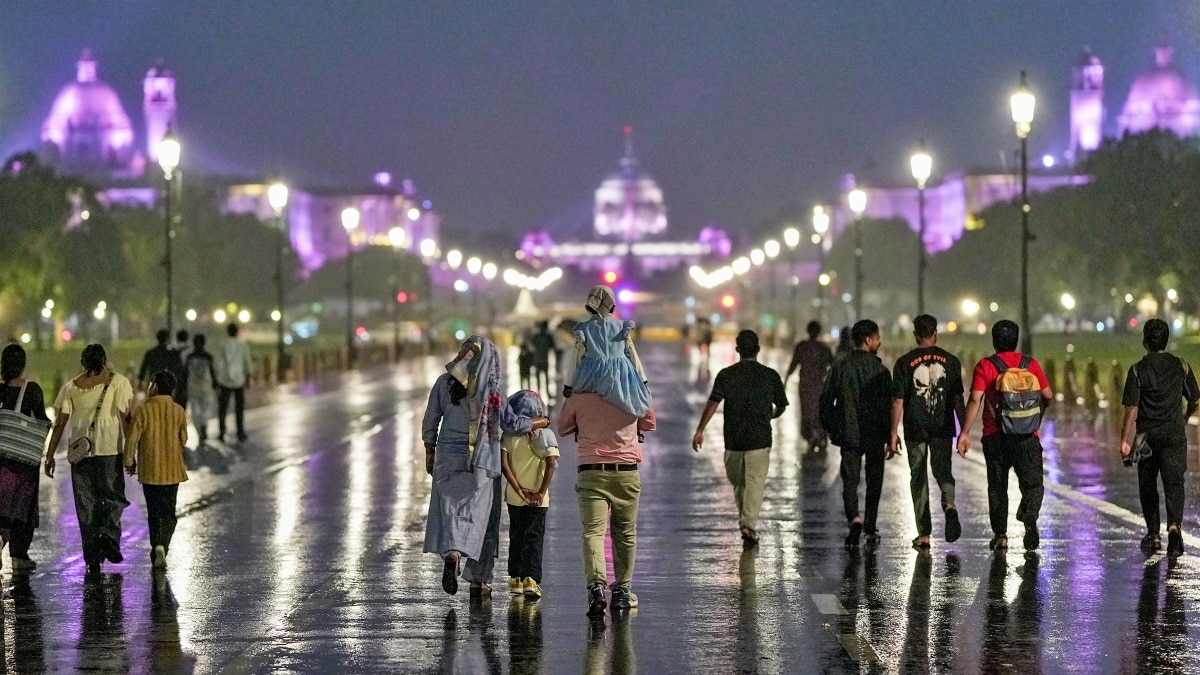
It began not with a storm surge or howling winds, but with a sudden, sharp drop in temperature that caught the residents of Delhi-Near-Continental Region (NCR) off guard. The rain began to fall with persistence. For the millions navigating the chaotic traffic of the Indian capital, the change was immediate and physical. The culprit behind this abrupt shift was Cyclone Arnob. The impact was quantifiable and severe. Weather data showed that maximum temperatures had plummeted by 5.6 degrees Celsius. Rainfall was expected to continue until Friday, with some areas receiving up to 50mm. The intensity of the precipitation was such that some localized areas were expected to receive up to 50 millimeters of rain. The severity of the situation prompted the India Meteorological Department (IMD) to issue a yellow alert for Delhi. Traffic police reported increased accidents due to slippery roads. As the night deepened, the rain did not let up. Forecasts indicated that the cyclonic influence would persist, keeping the skies overcast and the rains continuing until Friday. This meant that the relief many had hoped for was delayed. The connection between the cyclonic effect and the weather in Delhi highlights the interconnectedness of atmospheric systems. Arnob may have been a distant threat, but its energy rippled inland, altering the climate of one of the world's most populous cities. For the people of Delhi-NCR, the experience was a reminder of nature's unpredictability. The comfort of indoor spaces became a refuge from the gray outside. By the next day, the initial shock had worn off, replaced by a grudging acceptance of the new normal. The streets were still slick, the air still cold, and the rain still falling. But the community adapted. Commuters learned to leave earlier, drivers slowed down, and the rhythm of the city adjusted to the pace of the storm. The cyclonic effect of Arnob had done more than just bring rain; it had temporarily rewritten the rules of life in the capital, forcing everyone to slow down and take cover. As the week progressed, the focus shifted from survival to anticipation. Would the rain stop by Friday? These questions hung in the damp air, unanswered but anticipated. The event served as a stark example of how climate patterns are shifting, bringing extreme weather events to unexpected places. For now, the story of Arnob in Delhi was one of resilience in the face of a cold, wet surprise.