
On a Friday evening, commuters in India’s capital found their daily rhythm abruptly halted. At 9 p.m., the Delhi Metro Rail Corporation (DMRC) announced that 57 stations would be shut down until further notice. The decision was not a routine maintenance shutdown; it was a direct response to a protest organized by the Cockroach Janata Party (CJP) at Jantar Mantar. Demonstrators were demanding the resignation of Election Commission of India (ECI) member Gyanesh Kumar, a demand that had already drawn a heavy police presence around the protest site, the EC office, and even Kumar’s residence.
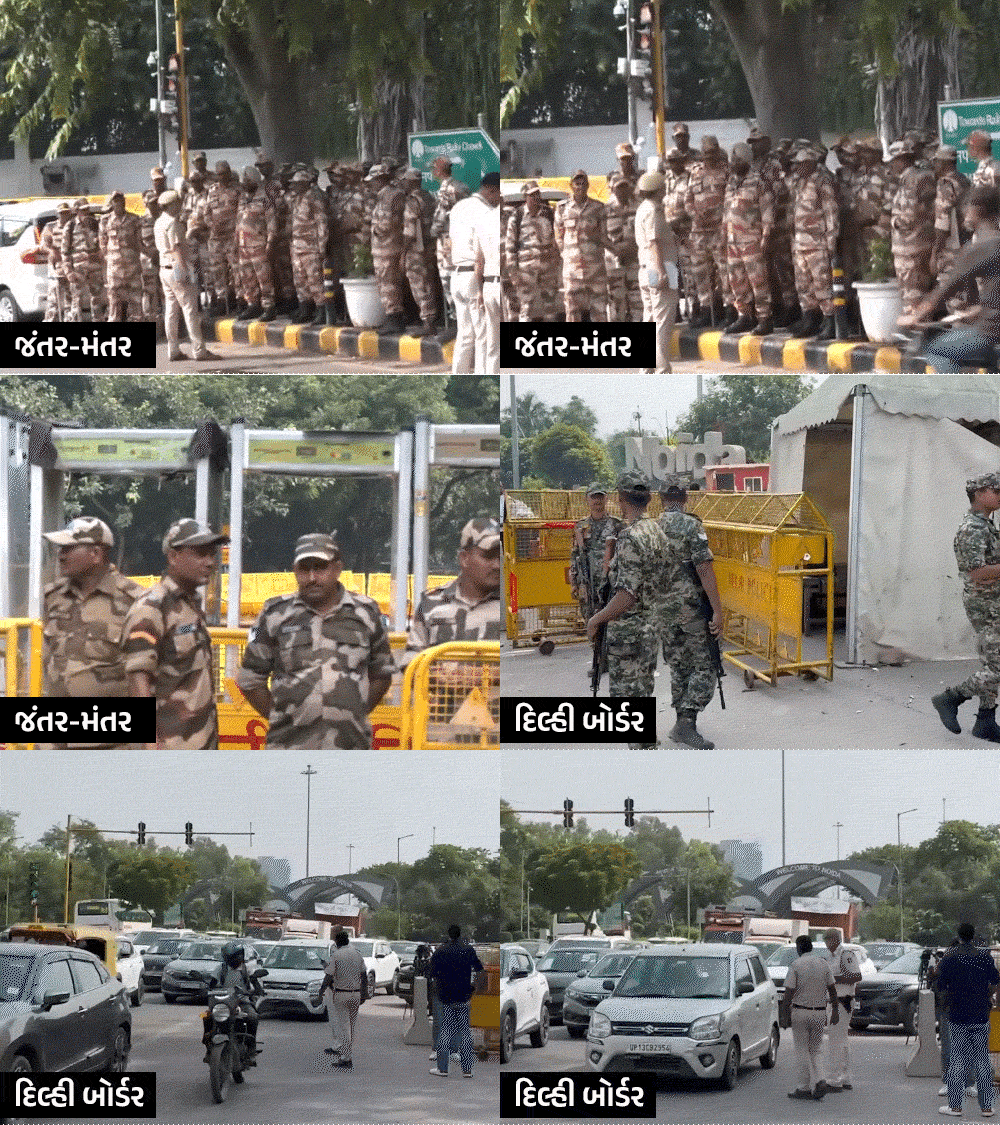
Delhi police, anticipating that the demonstration could continue for three days, requested that the metro authority close the stations for two days. In addition to the metro shutdown, the police advised that mail and express trains serving New Delhi and Hazrat Nizamuddin railway stations be cancelled, and that services between New Delhi and Hazrat Nizamuddin might be suspended for a few hours on Saturday.
The following day, 9 October 2026, the Supreme Court of India convened to review the police’s sweeping security plan. Chief Justice Surya Kant, speaking for the bench, rebuked the authorities for what he described as an over‑reach. “Do not use a sledgehammer to kill a fly,” he warned, urging officials to balance security with the public’s right to movement. While acknowledging the need for vigilance, the Court ordered that any restrictions must be proportionate and that inconvenience to ordinary citizens should be minimized.
Among those detained was political activist Balbir Valmiki, whose arrest highlighted the tense atmosphere surrounding the protest.
The ripple effects of the security clampdown extended beyond transport. Schools and colleges across Delhi shifted to online classes, a move that underscored the breadth of disruption. Border checkpoints were tightened, reflecting concerns that protest supporters might travel from other states. Indeed, the CJP alleged that police were arresting such out‑of‑state supporters. Among those detained was political activist Balbir Valmiki, whose arrest highlighted the tense atmosphere surrounding the protest.
Amid the chaos, Noida’s airport was renamed in honor of Prime Minister Narendra Modi, now to be known as Narendra Modi International Airport. The decision, while unrelated to the Jantar Mantar demonstration, was announced in the same news cycle, illustrating how political narratives continue to unfold even as daily life grinds to a halt.
The domestic unrest also drew foreign attention. India’s government issued a sharp rebuke of U.S. Vice President JD Vance after he commented on the suspension of several American tech companies operating in India. Though the comment was unrelated to the metro shutdown, it added another layer to the day’s headline‑making events, reminding readers that Delhi’s local turbulence can quickly become a point of diplomatic contention.
With the New Delhi metro station exempted from the closure, commuters were directed to use interchange facilities at the remaining operational stations. This partial continuity offered a lifeline for essential workers and those with urgent travel needs, but for the majority of Delhi’s population, the closure represented a stark reminder of how political protest can reverberate through the infrastructure of a megacity.

As the Supreme Court’s admonition settles in, Delhi’s authorities face a delicate balancing act. They must safeguard a protest that could extend for three days while honoring the Court’s call to avoid “sledgehammer” tactics. The metro remains shuttered at the majority of its stations, schools continue online, and the nation watches to see whether security measures will be eased or further tightened. For commuters, the lingering question is simple: when will the trains run again?