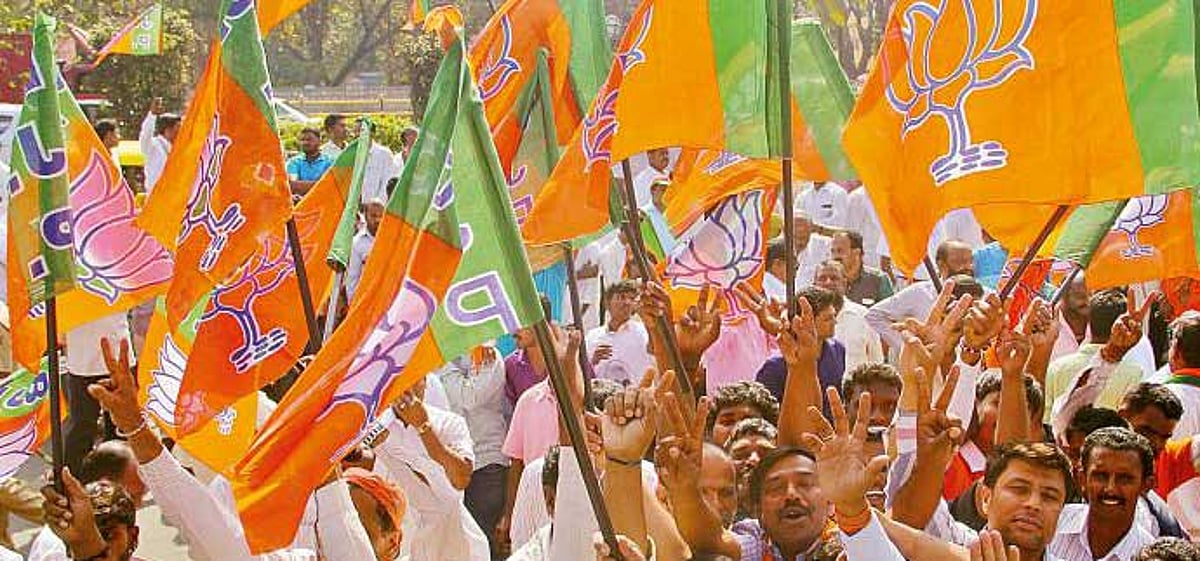
On October 27, 2026, teachers across the eastern states of India stepped out of lecture halls and into polling stations. The first stage of the 2026 teacher sector election—an exercise that determines representation for teachers in local committees—was announced with fanfare. Unlike general elections, this contest pits candidates from national parties against a backdrop of professional concerns: salaries, infrastructure, and curriculum reforms. Voters, organized by local administrative units called mandals, cast ballots that would shape the voice of teachers for the next election cycle.
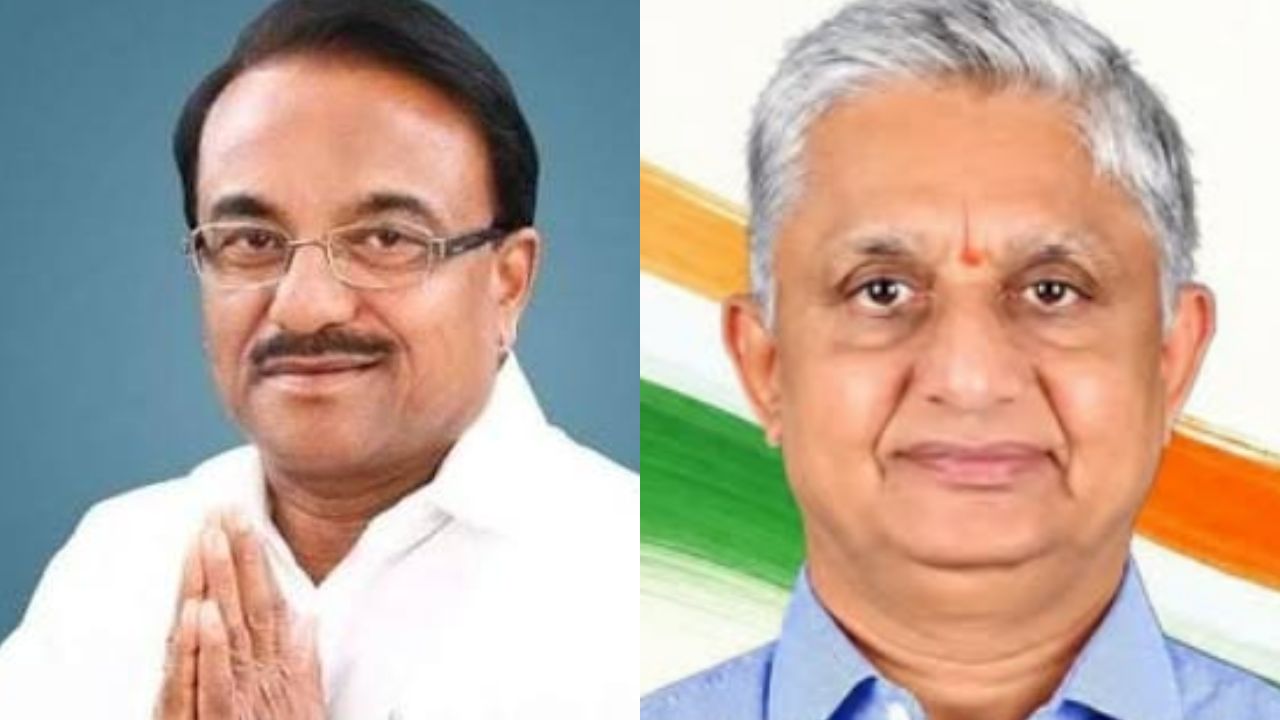
The scale of the exercise was staggering. A total of 34,784 candidates entered the race, a figure that reflects both the fragmented nature of teacher representation and the high stakes attached to the seats. Of the 30,250 mandals that participated, each acted as a micro‑electoral district, aggregating the preferences of teachers within its jurisdiction. When the results were tallied, the two headline figures emerged: 7,243 votes for the Bharatiya Janata Party (BJP) candidate Shashil Namosh and 5,714 votes for the Indian National Congress (INC) contender Sharannu Mattur.
What set the contest apart was the precise gap between the two front‑runners. Shashil Namosh’s tally exceeded Mattur’s by 1,529 votes—the exact number that appears repeatedly in the reporting of this stage.
Understanding why the mandal system matters is key to interpreting these results.
Understanding why the mandal system matters is key to interpreting these results. The participation of 30,250 mandals indicates a near‑complete coverage of the eastern teaching workforce, lending legitimacy to the outcome.
The election is structured in multiple stages, each covering a different geographic slice of the teacher population. For the Congress, the current deficit serves as a reminder to focus on the regions where the vote was close.
In sum, the first stage of the 2026 eastern teachers’ election delivered a decisive, if narrowly quantified, victory for the BJP’s Shashil Namosh. With 7,243 votes against 5,714 votes for Sharannu Mattur, the 1,529‑vote gap stands as the headline figure of a contest that involved 34,784 candidates and the participation of 30,250 mandals. As the election moves into its next phases, the numbers from this opening round will serve as a benchmark for both parties as they vie for the confidence of India’s educators.