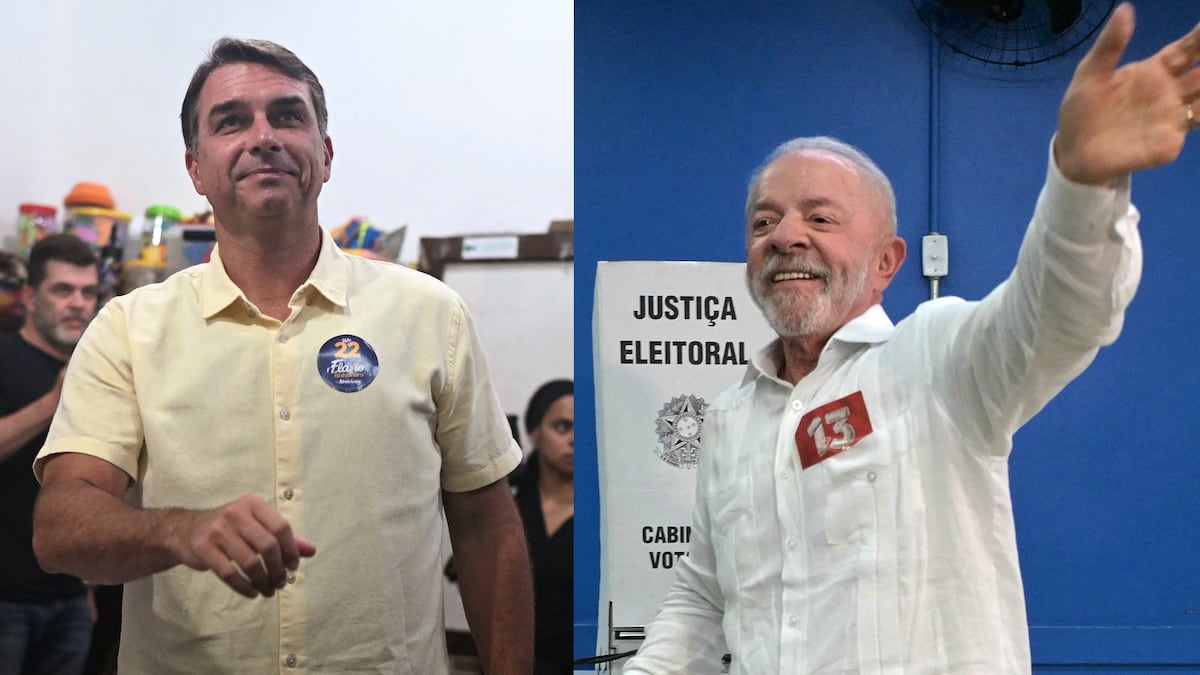
On the evening of Oct. 25, Brazil’s electorate found itself caught between a ticking clock and a stalled bus. President Luiz Inácio Lula da Silva, whose campaign had already mobilized a massive urban base, appealed directly to the nation’s highest court, arguing that the disruption amounted to a “dirty tactic of mayors” that effectively barred voters from exercising their constitutional right.

The Supreme Electoral Court (Tribunal Supremo Electoral, TSE) responded swiftly. A judge signed an order extending the voting period by two hours, a move that echoed across the country’s electoral map. The extension was not a blanket decision; Lula’s team had specifically requested additional time in five states where transport failures were most acute. The court’s order, issued on the same day, granted those requests, ensuring that the ballot remained open until the new deadline.
Jair Bolsonaro’s campaign team lodged complaints about severe weather conditions that threatened to keep voters away from the polls. Heavy rain and gusty winds swept through parts of the country, prompting the Bolsonaro camp to argue that the same two‑hour extension would also compensate for weather‑related obstacles. Both sides, therefore, found common ground in a shared desire to keep the electoral process inclusive, even as their rhetoric remained sharply divided.
While the glitch was brief, it highlighted the fragility of digital infrastructure in a contest where every fraction of a percent can sway public perception.
The day’s tension was amplified by a separate, unsettling development. Lula’s party, the Workers’ Party (PT), publicly denounced an act of violence against a candidate whose identity was not disclosed in the official reports. In a statement that reverberated through the campaign trail, the PT called for a thorough investigation and demanded accountability from São Paulo’s municipal officials, whom they accused of fostering an environment of intimidation. The party’s request for an inquiry added a layer of urgency to the already fraught atmosphere, underscoring how electoral contests in Brazil can be accompanied by physical risk.
As the extended hours wound down, the nation turned its attention to the vote‑counting process. While the glitch was brief, it highlighted the fragility of digital infrastructure in a contest where every fraction of a percent can sway public perception. Observers noted that such delays, even when minor, can fuel speculation and heighten anxiety among supporters on both sides.
The electoral math remained starkly polarized. In the first round, Bolsonaro secured 47 % of the vote, edging out Lula’s 45 %—a margin that set the stage for a tightly contested runoff. Lula’s support, however, showed signs of growth beyond Brazil’s borders. In Europe, his vote total rose by 2,030, bringing his continental tally to 9,293. By contrast, his first‑round vote count within Brazil stood at 7,263, a figure that underscored the importance of every additional ballot cast during the extended hours.
For voters who had been stranded by broken buses or deterred by rain, the two‑hour window offered a second chance. Election officials reported a surge in turnout during the added period, particularly in the five states where Lula’s request was granted. The extension also served as a symbolic affirmation of democratic resilience: it signaled that logistical failures and inclement weather would not be allowed to disenfranchise citizens.
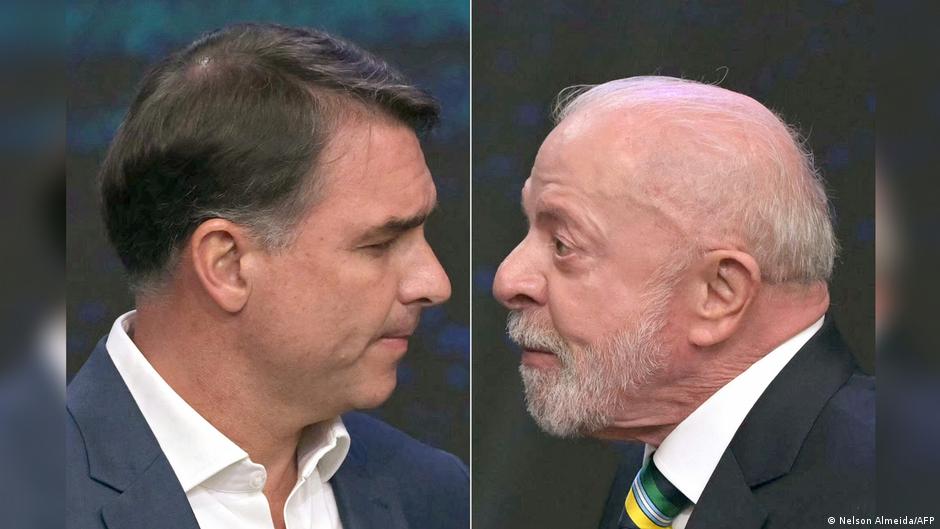
As Brazil moves toward finalizing the runoff results, the extended voting period will likely be cited as a pivotal factor in the ultimate outcome. Both campaigns have framed the extension in line with their narratives—Lula emphasizing the need to counter “dirty tactics,” Bolsonaro stressing the impact of weather. Meanwhile, the PT’s call for investigations into municipal officials adds a lingering question about the broader integrity of the electoral environment. The nation now watches as the TSE works to restore its online count page and release comprehensive results, aware that the final tally will be scrutinized not only for who wins, but for how the process unfolded under extraordinary circumstances.