
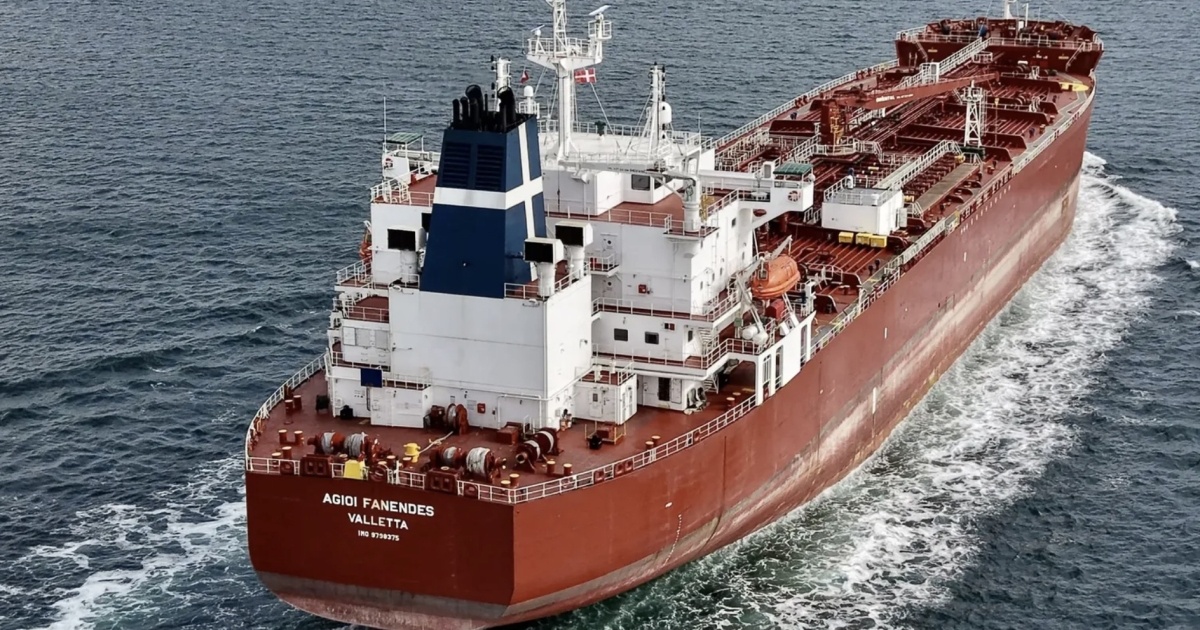
In the vast expanse of the Atlantic Ocean, a Maltese-flagged tanker carries 40,000 tons of Russian diesel fuel toward New York, its arrival expected on November 7. This journey represents more than just a commercial shipment—it symbolizes a dramatic pivot in global energy politics, arriving under the umbrella of a recent US policy shift that has temporarily eased sanctions against Russian energy exports.
The shipment traces its origins to October 9, 2026, when an agreement was reached between US and Russian officials. This deal, which followed discussions between Presidents Donald Trump and Vladimir Putin, established a framework for Russian diesel exports to the United States. The timing coincided with broader diplomatic efforts to recalibrate economic relationships while managing global fuel prices.

A Malta flagged tanker with 40,000 tons of Russian diesel is sailing to New York under Trump's deal with Putin for 300,000 tons of October exports, Reuters reports, timed to land November 7, four days after the US election. https://t.co/i3du0uuW4R https://t.co/TPRv5O7PS6
Simultaneously with the announcement of the agreement, the Office of Foreign Assets Control (OFAC) issued a temporary general license permitting Russian diesel exports to continue until April 2027. This regulatory move created a legal pathway for the diesel to reach American shores, effectively lifting previous restrictions that had redirected Russian energy flows to markets in Brazil, Turkey, and Africa.
This marked the physical beginning of what officials described as a new chapter in US-Russia energy relations.
The policy shift did not go without criticism. Ukrainian President Volodymyr Zelensky expressed his disapproval, characterizing the US decision as a weak move that undermined the principles of international sanctions. His remarks highlighted the complex geopolitical calculus involved in energy diplomacy, particularly as Ukraine continues to navigate its relationship with both Western allies and Russia.

🇷🇺 40,000 tons of Russian diesel are on their way to New York. Reuters: the Malta-flagged Agioi Fanendes loaded the diesel at Russia's Baltic port of Primorsk on October 22. It is expected to arrive in the US on November 7, the first tanker since Trump and Putin struck their deal. Ukraine hits Russian refineries to cut off the war's funding. Washington signs a deal to buy the fuel.
On October 22, 2026, the tanker Agioi Fanendes loaded its 40,000-ton cargo of ultra-low sulfur diesel fuel at the Russian port of Primorsk. This marked the physical beginning of what officials described as a new chapter in US-Russia energy relations. The diesel, refined to meet stringent environmental standards, represents a product that could potentially benefit American consumers while providing revenue for Russian exporters.
This initial shipment is merely the beginning of what could become a substantial trade flow. Russian officials have outlined plans for a series of deliveries, starting with 300,000 tons of diesel, followed by 500,000 tons in November, and eventually scaling up to one million tons. Aleksey Novak, a key figure in Russia's energy sector, announced that commercial contracts would lead to diesel arriving in US ports within 15-20 days of their signing.

A tanker carrying the first shipment of Russian diesel to the U.S. has left port as part of a deal with President Trump, the Kremlin said. LSEG data showed that a Malta-flagged tanker carrying 40,000 metric tons of diesel was heading toward New York. https://t.co/QtX2kmeiKY
The arrival of Russian diesel in the US market carries potential implications for domestic fuel prices. By introducing additional supply into the American market, these shipments could help moderate diesel prices, which have been a concern for consumers and businesses alike. The ultra-low sulfur content of the fuel also positions it as a compliant option for US refiners and distributors.
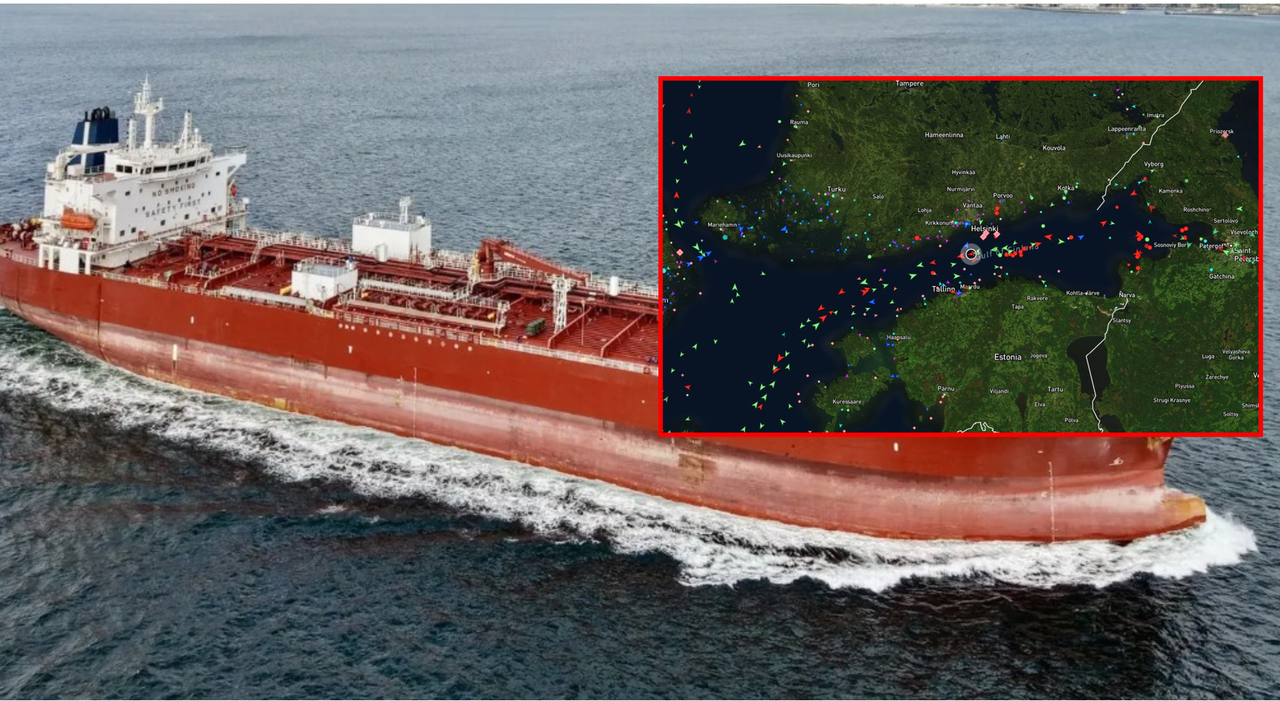
As the tanker approaches New York, it carries with it the weight of complex international relationships, economic calculations, and the ongoing evolution of global energy markets. The shipment represents a pragmatic, if controversial, approach to energy security that prioritizes market stability over purely ideological considerations. The coming months will reveal whether this becomes a lasting feature of transatlantic energy trade or remains a temporary anomaly in the ever-shifting landscape of international commerce.