
The video showed a teenager, later identified as a 16‑year‑old male, dressed in camouflage, a balaclava and a piece of equipment that resembled an automatic weapon. The caption, written in English, read, “I found the place,” and the background was unmistakably the landscaped grounds of Tsaritsyno Museum‑Reserve, a historic park in the Russian capital. The post was not an isolated selfie; it was part of a series of uploads that included posters glorifying Nazism and fascism, as well as calls for violence against migrants and people of other ethnic nationalities. The visual language of the footage—tactical gear, weapon‑like props, and the ominous caption—caught the attention of Russian authorities monitoring extremist content online.

The United States Embassy in Moscow later confirmed its awareness of the threat, stating, “We are aware of a credible threat of an attack on this cultural site in the Russian capital.” The American side reiterated its cooperation on 1 November 2026, with the FSB publicly thanking the “American side for providing the information.” This trans‑Atlantic exchange illustrates how digital footprints can trigger traditional intelligence channels, prompting a rapid, coordinated response.
On 1 November 2026 the FSB released video footage of the teenager’s detention. In the clip, officers from the FSB, Rosgvardiya (the National Guard), the Ministry of Internal Affairs (MVD) and the Prosecutor General’s Office are seen escorting the minor to a police vehicle. The service’s statement read, “We have detained a Russian minor in connection with the investigation into the threat of an attack at Tsaritsyno Museum‑Reserve.” The teenager, speaking in Russian, admitted, “On my TikTok page, I posted various posters with propaganda of Nazism, fascism, and also violence against immigrants, people of other ethnic nationalities.” The public release of the arrest footage served both as evidence of the operation’s success and as a deterrent message to other would‑be extremists.
Investigators also found a subscription to a neo‑Nazi Telegram channel and video files from a terrorist organization banned in Russia.
A search of the minor’s apartment uncovered a cache of tactical equipment: camouflage clothing, goggles, headphones and a balaclava—items that had been used to film the threatening videos. Investigators also found a subscription to a neo‑Nazi Telegram channel and video files from a terrorist organization banned in Russia. The teenager’s phone contained a “significant number” of searches related to mass killings and terrorist attacks, reinforcing the suspicion that the TikTok posts were not mere bravado but part of a concrete planning effort. The FSB classified the case as extremist activity with potential terrorist motives, citing the combination of online propaganda, weapon‑like props and explicit statements about targeting the museum.
While the FSB’s operation at Tsaritsyno prevented a second tragedy, the coincidence of the two incidents underscored the heightened security challenges facing Russia’s public spaces.
In the immediate aftermath of the arrest, authorities temporarily closed Tsaritsyno park to the public, citing the ongoing investigation. At a nearby concert venue, musician Lilia Pechenkina recounted that, “While I was playing the final piece of the program, an evacuation announcement was broadcast over the loudspeakers.” Fifty law‑enforcement officers were dispatched to secure the concert site, reflecting the broader precautionary measures taken across the city. The swift closure of the park and the evacuation of the concert illustrate how Russian security agencies move from intelligence to on‑the‑ground action when a credible threat is identified.
Legal proceedings against the minor remain pending, with the Prosecutor General’s Office overseeing the case. The FSB’s public statements emphasized both the effectiveness of the joint investigation and the importance of international cooperation. By highlighting gratitude to the United States for the tip, Russian officials signaled a willingness to acknowledge external contributions to domestic security—a notable stance given the often strained diplomatic climate. At the same time, the teenager’s own confession about posting extremist material provides a rare glimpse into the mindset of a young radical operating within Russia’s digital ecosystem.
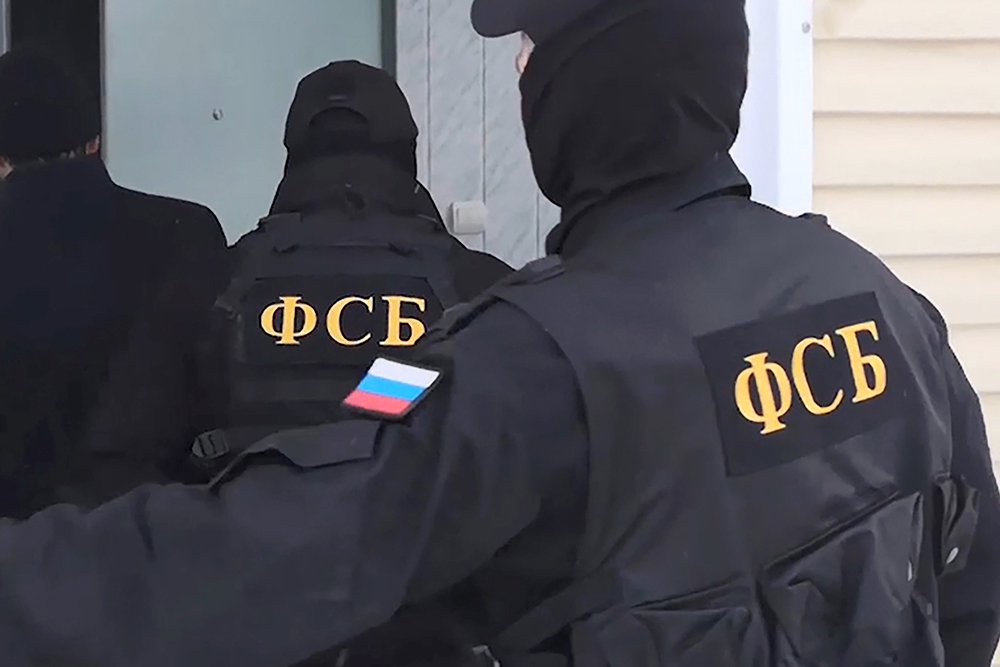
The Tsaritsyno episode demonstrates how a single TikTok post can cascade into a multi‑agency operation that averts potential bloodshed. It also reveals the layered nature of modern extremism: a teenager drawing on neo‑Nazi symbolism, using a global social platform to broadcast intent, and being tracked by both Russian and American intelligence. As Russia continues to grapple with the aftermath of the Crocus City Hall massacre and the broader threat of ISIS, the case underscores the urgency of monitoring extremist content online, strengthening cross‑border intelligence sharing, and maintaining rapid response capabilities. For a newcomer to the security landscape, the story offers a concrete example of how digital radicalization, traditional policing, and international cooperation intersect in the fight against terrorism.