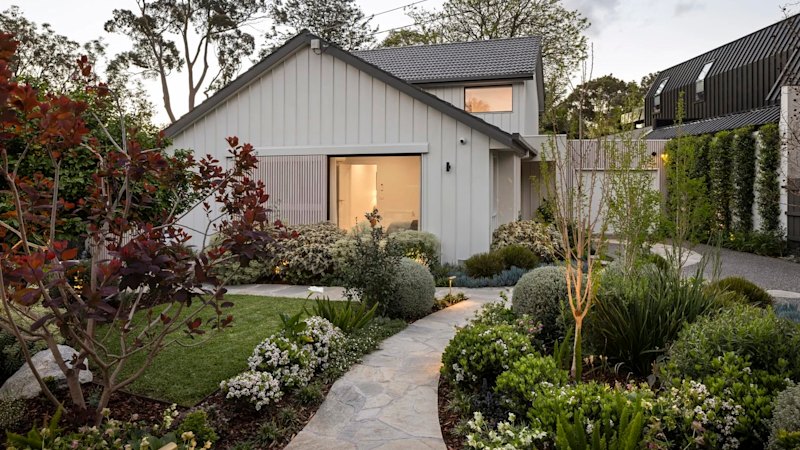
On November 1, 2026, a luxury four‑bedroom home in Beaumaris went to auction with a vendor bid of $2.85 million. The sale, scheduled by Ray White The Bayside Group, opened the doors to a crowd of potential buyers but closed without a single bid. The property’s reserve price, set at $3.05 million, remained untouched, and the auction ended in a quiet pass‑in.
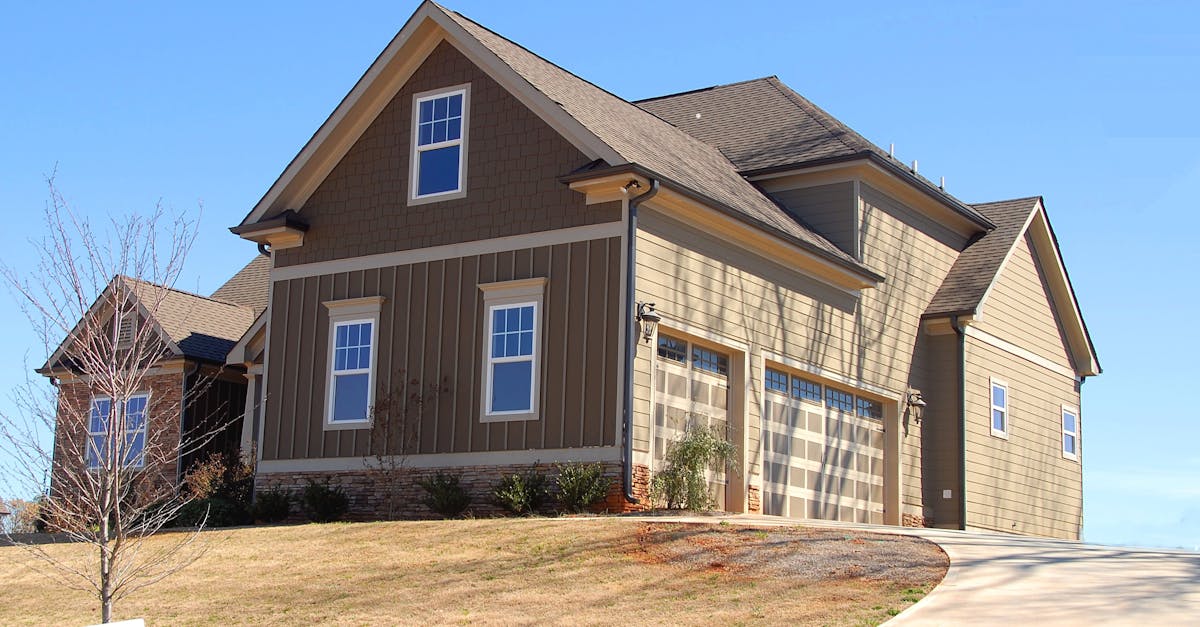
The Beaumaris listing had been marketed with a private‑sale guide price ranging from $2.88 million to $2.98 million. Those figures, set by the sellers, reflected a modest expectation that the market could still command a premium. Yet the auction’s silence highlighted a disconnect between the price vendors were willing to accept and the appetite of buyers in the current climate.
Kevin Chokshi of Ray White The Bayside Group explained why the auction failed to attract offers. "It’s also because there was a lack of social proof. If there’s a lot of people interested, then in a buyer’s mind it’s worth more. If not, then the value deteriorates," he said. The absence of competing bids can erode confidence, making even a well‑priced home appear less desirable.
One was a local family and the other was a family moving from overseas so we are expecting to see some offers," he added.
Despite the auction’s outcome, Chokshi noted that interest did not vanish entirely. "There were a couple of interested buyers. One was a local family and the other was a family moving from overseas so we are expecting to see some offers," he added. The sellers now face the task of negotiating directly with these parties, a process that may or may not yield a price close to the original vendor bid.
In a nearby suburb, an Alphington duplex followed a different path. The property sold for $2.42 million after passing in at auction. The sale, occurring on the same day, illustrates how vendors are adjusting expectations in a market that is tightening. While the Beaumaris home had a higher vendor bid, the Alphington duplex’s final price was lower, reflecting a broader trend of price concessions.
The broader Melbourne auction scene was busy that week, with 574 auctions scheduled. Yet only 56 percent of those reached a clearance rate, a figure that underscores the unevenness of the market. The Beaumaris case sits squarely within this pattern, where many properties are either passing in or requiring significant price adjustments.
As vendors confront a reality where their expectations must be tempered, the industry is witnessing a shift from aggressive pricing to more realistic, market‑aligned valuations.

Anthony De Iesi of McGrath Northcote summed up the situation: "Vendors were now facing a market where they had to adjust their expectations for price." The Beaumaris property, though unsold at auction, may still find a buyer through private negotiations. For now, the silent auction stands as a reminder that in Melbourne’s spring market, the presence of bidders—and the social proof they provide—can be as decisive as the price itself.