The sky over the Satish Dhawan Space Centre in Sriharikota, Andhra Pradesh, lit up at 11:51 p.m. IST on Oct. 30, 2026. The roar of the GSLV‑F18’s engines marked the twentieth flight of India’s Geosynchronous Satellite Launch Vehicle, a workhorse that has become synonymous with the nation’s growing confidence in space.
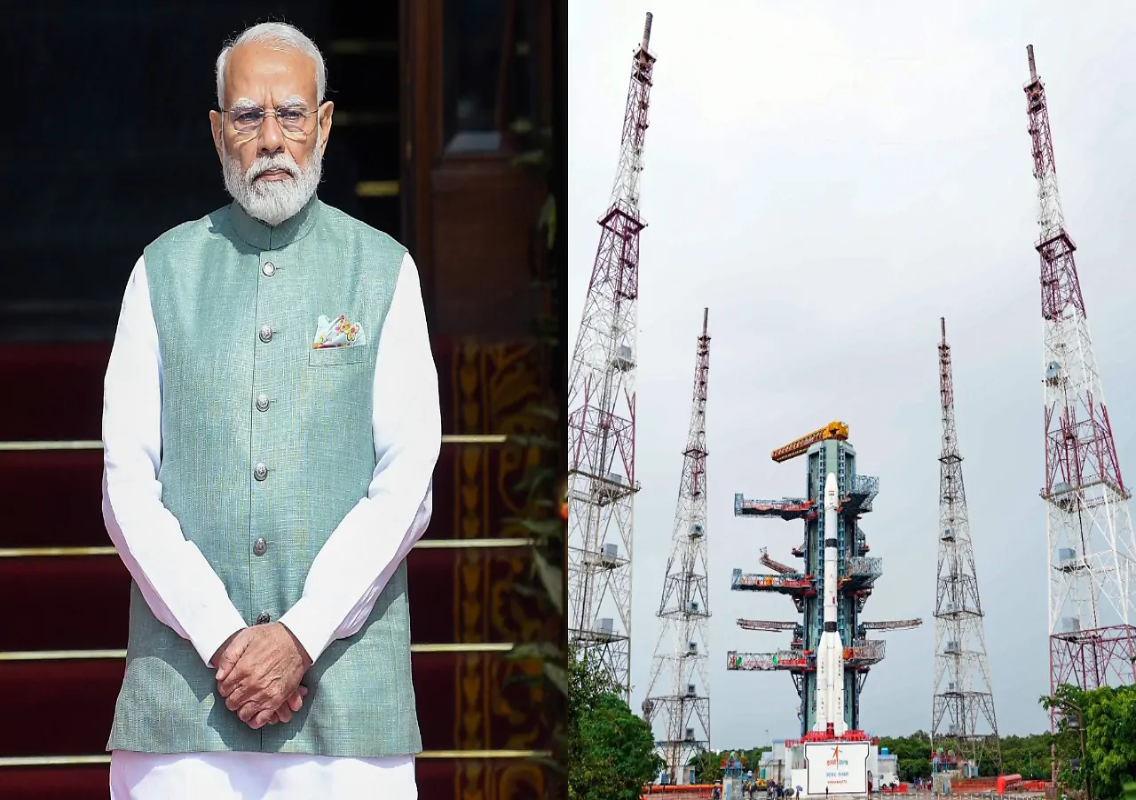
The GSLV‑F18 itself is a massive machine, weighing 420 tonnes at lift‑off and standing roughly 50 metres tall. Its twenty‑flight record reflects a steady accumulation of experience, each launch refining the vehicle’s reliability. The rocket’s successful deployment of NVS‑03’s solar panels confirmed that the launch sequence performed as designed, a reassurance that the vehicle’s engineering remains robust even as ISRO pushes toward more ambitious missions, such as the uncrewed Gaganyaan flight slated for later in the fiscal year.
The payload, NVS‑03, is a navigation satellite that adds a crucial node to the NavIC (Navigation with Indian Constellation) system. Reported to weigh 2,250 kilograms—some sources list 2,232 kilograms—the satellite carries an indigenously developed atomic clock, a core component that underpins the precision of positioning services. By broadcasting timing signals that ground receivers can triangulate, NVS‑03 helps deliver location data across the Indian subcontinent and surrounding regions. ISRO described the launch as “significant for our efforts to strengthen our indigenous navigation system NavIC,” emphasizing the satellite’s enhanced capabilities and the dedication of its scientists.
The addition of a third satellite expands coverage, improves accuracy, and reduces reliance on foreign navigation constellations such as GPS or GLONASS.
Before NVS‑03, only two satellites had been launched for the NavIC system. The addition of a third satellite expands coverage, improves accuracy, and reduces reliance on foreign navigation constellations such as GPS or GLONASS. Each new satellite not only fills a gap in the orbital geometry but also serves as a testbed for home‑grown technologies, reinforcing India’s drive for self‑reliance in critical aerospace domains.
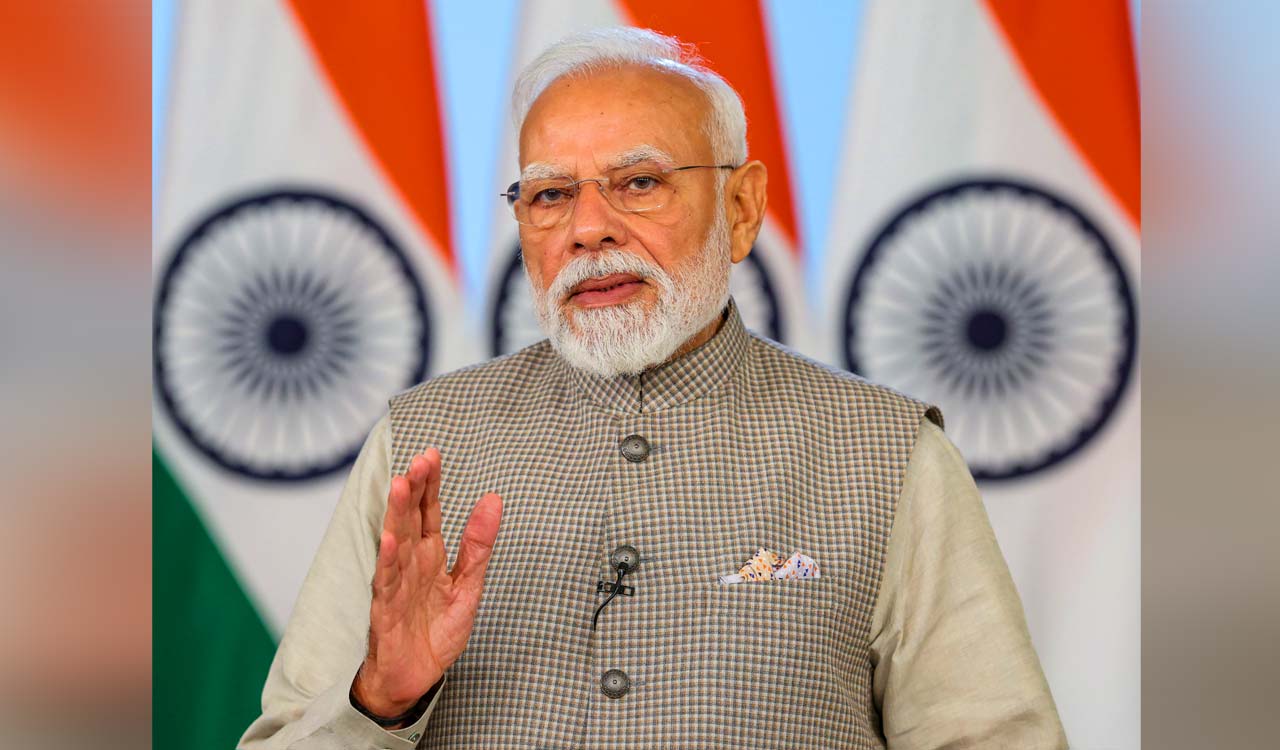
Prime Minister Narendra Modi quickly took to the podium to congratulate the ISRO team. “Congratulations to our scientists and engineers at ISRO on the successful launch of GSLV‑F18 carrying NVS‑03,” he said, calling the mission “an important step in strengthening NavIC, our indigenous satellite navigation system.” The Prime Minister’s remarks echoed a broader narrative of technological sovereignty, positioning the launch as a milestone in the country’s quest to master critical technologies without external dependence.
ISRO confirmed that five more launches are planned for the current financial year, a schedule that underscores the agency’s momentum. Alongside these missions, preparations continue for the uncrewed Gaganyaan flight, which will test the nation’s capability to send humans into space in the near future. The successful deployment of NVS‑03 therefore sits within a larger tapestry of projects that together aim to cement India’s status as a major spacefaring nation.
As of Oct. 31, 2026, ISRO reported that NVS‑03 is healthy in orbit, its solar arrays fully deployed and its atomic clock operational. The satellite now begins its operational life, broadcasting signals that will be woven into the daily lives of commuters, farmers, and logistics providers across the region. With the NavIC constellation expanding, India moves closer to a future where its navigation services are fully indigenous, reliable, and globally respected.