
In the bustling city of Kolkata, on March 13, 2026, Matthew VanDyke, an American national, found himself in the crosshairs of the National Investigation Agency (NIA). According to reports, VanDyke, along with six Ukrainian nationals, had entered Myanmar through India and provided technical training to ethnic armed groups, including the Chin National Front and the Kachin Independence Army (KIA). The NIA arrested VanDyke and the six Ukrainian nationals for allegedly drone warfare training and equipment provision, a serious charge that could have far-reaching consequences for VanDyke and his associates.

The case against VanDyke and his co-accused quickly escalated. On September 18, 2026, the Delhi court granted VanDyke default bail, allowing him to return to the United States for a month to meet his family. However, the NIA was not done with him. On September 20, 2026, the NIA filed a chargesheet invoking provisions of the Immigration and Foreigners Act, 2025, without including charges under the Unlawful Activities (Prevention) Act (UAPA). This move by the NIA was seen as a strategic decision to avoid the stringent provisions of the UAPA, which could have led to more severe penalties for VanDyke and his co-accused. The NIA's decision to focus on the Immigration and Foreigners Act highlighted the complexity of the case and the political sensitivities involved.

Breaking || Delhi Court extends relief to US mercenary Matthew VanDyke, allowing him to return to the US. ➤ NIA counsel says 'no objection on return' ➤ NIA counsel: Can be allowed to appear virtually ➤ Default bail to VanDyke extended till February 24 ➤ Liberty granted after NIA submissions
VanDyke’s initial bail period was set to expire on October 23, 2026, but the NIA sought to extend his stay outside India. On that day, the Delhi court allowed VanDyke to return to the United States, albeit with the condition that he must return to India and cooperate with the investigation. This decision was met with mixed reactions, with some viewing it as a lenient move by the court and others seeing it as a strategic move by the NIA to keep the case alive.
VanDyke’s case has drawn international attention, with the United States expressing concerns about the legal process and the potential impact on American citizens.
As the case progressed, the NIA continued to gather evidence and build its case against VanDyke and his co-accused. On February 24, 2027, the Delhi court extended VanDyke’s default bail until February 24, 2027. This extension was seen as a significant development, as it allowed VanDyke more time to prepare his defense and gather evidence to support his claims. The NIA, on the other hand, was given more time to build its case and ensure that all legal bases were covered. The extension of bail was a critical moment in the case, as it set the stage for a potential trial and the resolution of the allegations against VanDyke.
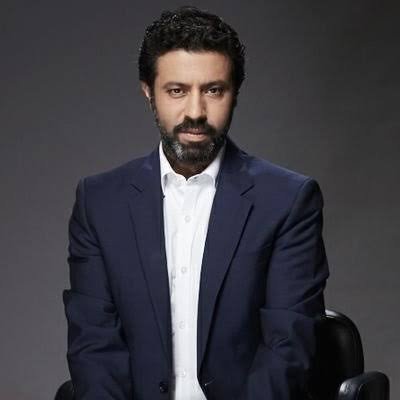
"WE HAVE NO OBJECTION IF HE RETURNS TO AMERICA" NIA tells court as U.S. "mercenary" Matthew Aaron Vandyke gets bail extension till February 24, 2027. NIA has failed to file UAPA charges after arresting VanDyke in March for alleged terror activities from Kolkata airport. Stunned reporters left asking the only question that matters: "WERE YOU TRAINING TERRORISTS AGAINST INDIA FROM MYANMAR?"
VanDyke’s case has drawn international attention, with the United States expressing concerns about the legal process and the potential impact on American citizens. The U.S. embassy in India has been closely monitoring the case, and there have been reports of diplomatic efforts to secure VanDyke’s release and ensure a fair trial. The case has also raised questions about the use of drones in conflict zones and the role of foreign nationals in providing technical training to ethnic armed groups. The NIA’s investigation into VanDyke’s activities has sparked debates about the responsibilities of foreign nationals and the potential for international cooperation in combating terrorism and supporting ethnic armed groups.
The NIA’s investigation into VanDyke’s activities has been critical in shaping the legal landscape of the case. The NIA's decision to file a chargesheet under the Immigration and Foreigners Act, 2025, without including charges under the UAPA, has been seen as a strategic move to avoid the stringent provisions of the UAPA. The NIA's approach has been criticized by some legal experts, who argue that the UAPA would have provided a more robust legal framework for prosecuting VanDyke and his co-accused. The NIA's decision to focus on the Immigration and Foreigners Act has been seen as a way to keep the case alive and ensure that all legal bases are covered. The NIA's role in the case has been a subject of debate, with some viewing it as a necessary step in the investigation and others seeing it as a strategic move to avoid the stringent provisions of the UAPA.

A Delhi court on Friday (October 23, 2026) allowed a U.S. citizen and six Ukrainian nationals to stay outside India until February 24, 2027 in connection with the Myanmar arms training case. American national Matthew Aaron VanDyke and the six others were arrested by the National Investigation Agency (NIA) earlier this year, over the arms training case. https://t.co/a0aKOPRhYD
As of February 24, 2027, VanDyke’s default bail has been extended until that date. The case is still in its early stages, and it is unclear what the future holds. The NIA has been given more time to build its case and ensure that all legal bases are covered. The case has drawn international attention, and there have been reports of diplomatic efforts to secure VanDyke’s release and ensure a fair trial. The case has also raised questions about the use of drones in conflict zones and the role of foreign nationals in providing technical training to ethnic armed groups. The NIA’s investigation into VanDyke’s activities has sparked debates about the responsibilities of foreign nationals and the potential for international cooperation in combating terrorism and supporting ethnic armed groups. The future of the case remains uncertain, and it is unclear what the outcome will be. The case is a complex legal battle that has drawn international attention and raised important questions about the use of drones in conflict zones and the role of foreign nationals in providing technical training to ethnic armed groups.