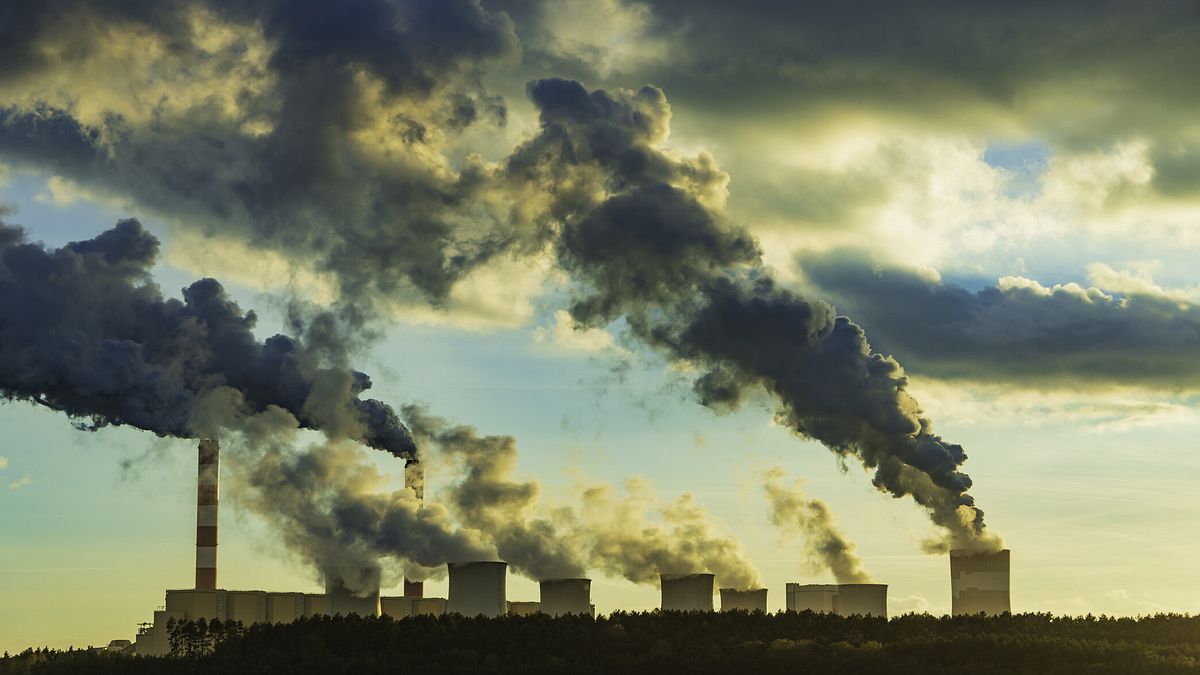
2025 marked a pivotal year in the ongoing saga of climate change. The World Meteorological Organization (WMO), the United Nations' weather and climate agency, released a stark report detailing unprecedented levels of greenhouse gases in the atmosphere. The news was a sobering reminder of the long‑term consequences of human activity on the planet.

In 2025, the WMO announced that the concentration of CO2 in the atmosphere had reached a record 426.8 parts per million (ppm), marking a 153% increase from pre‑industrial levels seen in 1750. This milestone was a significant warning from the UN about the escalating threat of global warming. The report highlighted that CO2 concentrations had been growing at an annual rate of 2.4 ppm during the 2011‑2020 period, a trend that shows no signs of slowing.

WMO releases annual Greenhouse Gas Bulletin https://t.co/QZUHpdv7Yh
The WMO's findings were not limited to CO2. Methane, another potent greenhouse gas, had reached 267% of pre‑industrial levels, while nitrous oxide concentrations stood at 339.1 parts per billion. These new records underscore the complexity of the climate crisis, with multiple gases contributing to the overall warming of the planet.
Methane, another potent greenhouse gas, had reached 267% of pre‑industrial levels, while nitrous oxide concentrations stood at 339.
Ko Barrett, the WMO’s deputy secretary‑general, issued a critical statement, emphasizing the urgent need for action. "Another year, another new record," Barrett said. "Greenhouse gases are trapping an unprecedented amount of heat in the atmosphere, providing energy for more extreme weather and associated risks to our economies and societies."

Meteorologists are continuing to warn of the El Niño weather event expected to impact us throughout the winter, with a new climate outlook from the World Meteorological Organization suggesting it “could be unprecedented in strength.” https://t.co/IJ5n20RhiJ https://t.co/QAxUmFrmX1
The conference is a major UN Climate Change gathering scheduled for October 27, 2026, in Türkiye. It will bring together leaders and experts to discuss the latest climate data and formulate strategies to mitigate the effects of global warming.
As the world grapples with the implications of these new records, the focus shifts to the upcoming conference. The WMO's 2025 report precedes the COP31 UN Climate Change Conference scheduled for 2026 in Türkiye, providing a crucial backdrop for discussions and highlighting the need for ambitious and immediate action.

The sea in the central Pacific has crossed 30°C for the first time in recorded historyEl Niño is still getting stronger. The World Meteorological Organization expects the sea there to be about 3.7°C above normal between October and December. The highest so far was 2.6°C in 2015-16. This time the effects may last into early 2027 #India must take note Our monsoon this year ended 13% below normal and South Asia is likely to stay warmer than normal in the coming months. El Niño alone does not decide our weather but our farmers and our water supply will feel it What worries me is that the new phenomenon of rapidly changing weather pattern doesn’t augur well for us. We must watch rainfall closely, manage our water better and help farmers move to crops which can survive this. Preparing early will always cost us less than handling a crisis later #ElNino #ClimateResilience #India
In the wake of the WMO's report, the path forward is fraught with challenges. The global community will need to unite, not just at COP31 but in the years to come, to implement policies and technologies that can reduce greenhouse‑gas emissions and mitigate climate impacts. The record levels of CO2, methane, and nitrous oxide serve as a stark reminder that the fight against climate change is far from over and that the world must act with urgency and determination.
