
On October 30, 2023, a fire broke out at the Novokuybyshevsk oil refinery in Russia, marking the latest in a series of attacks on critical energy infrastructure. The refinery, located in the Volga region, is one of the key oil processing facilities of Rosneft, a major Russian oil company. Its strategic importance lies in its production of aviation fuel, which is crucial for the Russian air force. The refinery has a production capacity of 8.8 million tons of oil per year, making it a vital cog in the Russian energy sector.
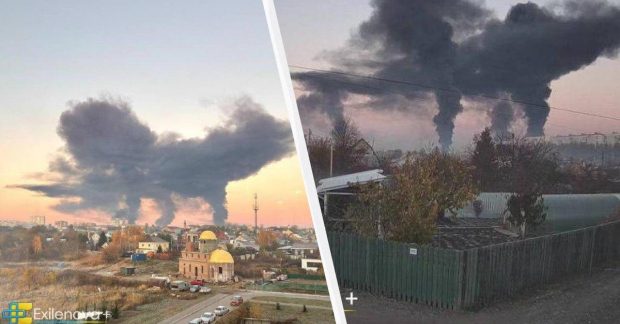
The attack on the Novokuybyshevsk oil refinery was preceded by warnings of drone threats in the region. This was not the first time the refinery had been targeted. In August 2023, the refinery experienced a drone attack that caused significant damage and led to the shutdown of two primary oil processing units. These repeated attacks underscore the vulnerability of Russian energy infrastructure to drone-based threats.

Russia’s sprawling Novokuibyshevsk Oil Refinery is on fire this morning following reports of a Ukrainian drone attack. Locals reported multiple pillars of smoke rising from the refinery complex. https://t.co/DwuuCPubho
On October 30, 2023, Ukrainian drones launched a coordinated attack on the Novokuybyshevsk oil refinery. The attack caused a fire, disrupting the facility's operations and highlighting the growing capabilities of Ukrainian forces in conducting precision strikes. The incident follows a series of attacks in Russia, including in the Moscow region, indicating a broader campaign against Russian energy infrastructure.
These strikes have significant implications for Russian oil production and export.
President Volodymyr Zelensky of Ukraine confirmed that Ukrainian forces targeted the Novokuybyshevsk oil refinery and a logistics hub in the region. In a statement, Zelensky emphasized the strategic importance of these targets, noting that they are key to Russia's energy production and export capabilities. The confirmation of the attack by the Ukrainian leadership adds a layer of official validation to the claims, reinforcing the narrative of Ukrainian military prowess and strategic targeting.

The Kuibyshev Refinery in Samara has been struck. One of the primary refining units is burning. https://t.co/tk1Ouyz6Px
The attack on the Novokuybyshevsk oil refinery is part of a larger pattern of attacks on Russian energy infrastructure. These strikes have significant implications for Russian oil production and export. The refinery's shutdown and the resulting fire could lead to a temporary decrease in the supply of aviation fuel, which is critical for the Russian air force. Moreover, the broader context of sanctions and the vast territory of Russia makes it challenging for Russian refineries to maintain operations without disruptions.
The challenges faced by Russian refineries extend beyond the immediate impact of the attacks. The vast territory of Russia, combined with the effects of sanctions, makes it difficult for Russian energy companies to operate smoothly. The attacks on key facilities like the Novokuybyshevsk oil refinery highlight the vulnerabilities in the Russian energy sector and the potential for further disruptions in the future. The ongoing conflict continues to put pressure on Russian energy infrastructure, with each attack raising the stakes for both sides.

🔥🛢️Russian Novokuibyshevsk oil refinery, annual capacity 7.9mln tons of oil, burning heavily after this morning’s drone attack. 900km from the front. https://t.co/kLV6GeAE9g
The latest drone attack on the Novokuybyshevsk oil refinery is a significant blow to Russian energy security. As the conflict continues, the vulnerability of critical infrastructure remains a pressing concern. The strategic targeting of key oil refineries underscores the evolving nature of the conflict and the growing capabilities of Ukrainian forces. The attack on the Novokuybyshevsk oil refinery is just one example of the broader challenges faced by Russian energy producers in the current geopolitical landscape.
