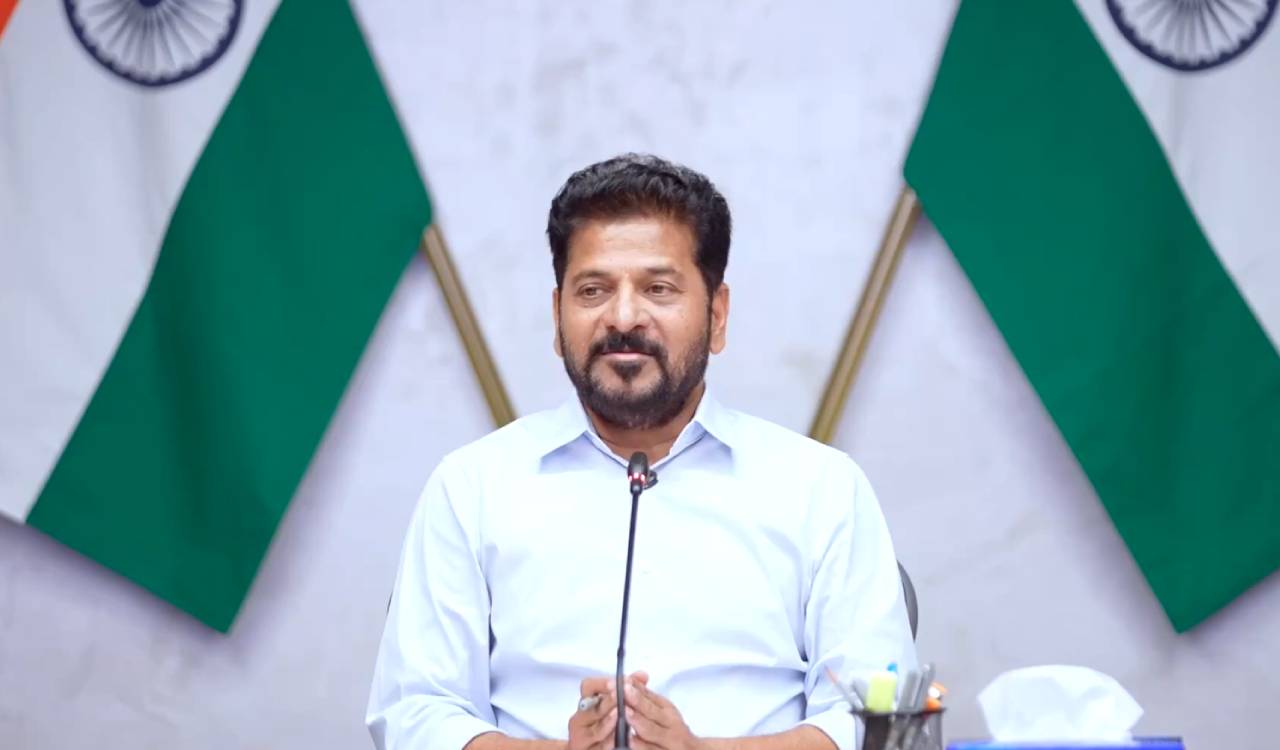
For years, the status of 550 acres of land in the Miyapur region of Hyderabad has been a point of intense contention, a sprawling expanse of potential value caught in the gears of legal and political maneuvering. On October 30, 2026, that uncertainty finally came to an end. The Supreme Court of India issued a definitive ruling, upholding the Telangana government’s claim to the property. This decision was not merely a procedural victory; it was a massive reclamation of public assets, securing land valued at an estimated Rs 50,000 crore for the state.

Following the court’s decision, the political atmosphere in Telangana grew charged. Chief Minister A. Revanth Reddy did not mince words regarding the history of the site. He leveled serious accusations against his predecessor, former Chief Minister K. Chandrasekhar Rao (KCR), alleging that the former administration had attempted to orchestrate a land grab. According to Reddy, KCR, alongside his close associates and a businessman acting as a front, sought to gain control of the Miyapur plot for private interests. Reddy’s rhetoric highlights a deep-seated conflict over the stewardship of state resources, framing the court’s intervention as a necessary shield against the erosion of public wealth.
For the current administration, the Miyapur case is part of a broader narrative of governance and accountability. Chief Minister Reddy has claimed that since taking office, his government has successfully protected government lands worth a total of Rs 1.50 lakh crore from illegal occupation. This figure serves as a cornerstone of his administration’s platform, positioning the reclamation of the Miyapur site as a continuation of a wider effort to recover assets that he argues were vulnerable under the previous Bharat Rashtra Samithi government. Reddy has been particularly vocal in his criticism of the former administration’s silence regarding the Supreme Court’s verdict, suggesting that the lack of response speaks volumes about their past intentions.
Chief Minister Reddy has announced clear intentions to auction the 550-acre parcel.
With the legal title now firmly in the hands of the state, the focus has shifted from the courtroom to the cabinet room. Chief Minister Reddy has announced clear intentions to auction the 550-acre parcel. The goal is to convert this dormant, high-value asset into liquid capital that can be deployed for the public good. As Reddy noted, the administration intends to sell these valuable lands to fund essential development works, specifically targeting irrigation, education, and healthcare projects. It is a strategy of asset recycling: taking land that was once the subject of alleged exploitation and turning it into the schools, hospitals, and water infrastructure that the state requires.
While the path forward appears clear, the mechanics of the auction remain subject to formal oversight. Chief Minister Reddy has emphasized that the specific details of the sale—how the land will be brought to market and the structure of the auction itself—will be determined by the state Cabinet. "The Cabinet will discuss and take a call," Reddy stated, indicating that while the policy direction is set, the administrative execution will follow established governmental protocols. This ensures that the process, which has already been scrutinized by the highest court in the land, will be handled with the necessary transparency.
As the state prepares for the auction, the Miyapur case stands as a significant moment in Telangana’s recent political history. It represents a rare intersection of high-stakes litigation, allegations of systemic corruption, and the promise of transformative public investment. By securing the land, the government has effectively removed a massive asset from the shadow of private encroachment and placed it back into the public ledger. As Chief Minister Reddy remarked, "By protecting this land, the Supreme Court has ensured that these valuable public assets remain with the people of Telangana." The coming months will reveal how successfully the state can translate this legal victory into tangible improvements for its citizens.