
For devotees, the laddus distributed at the Sri Venkateswara Swamy temple in Tirupati are a profound symbol of faith. When allegations emerged that these sacred confections had been adulterated, the controversy centered on the integrity of the temple's supply chain, sparking intense public debate and drawing the attention of the government in Andhra Pradesh.
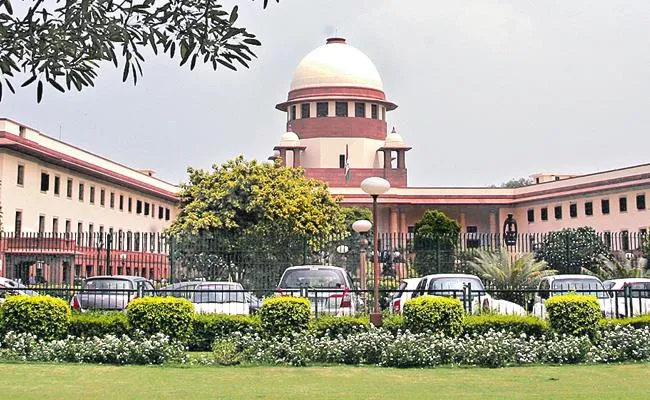
As the investigation unfolded, the atmosphere grew increasingly charged. The Supreme Court of India found it necessary to intervene in the public discourse, admonishing the Chief Minister of Andhra Pradesh for making public statements regarding the ongoing probe. The Court’s intervention signaled a concern that the political rhetoric surrounding the case threatened to impact the perception of the judicial process. For the judiciary, the challenge was to ensure that a matter of such deep religious and social significance remained anchored in evidence.

SC refuses to transfer trial in Tirupati laddus ghee adulteration case out of Andhra Pradesh.
Recognizing the need for a rigorous inquiry, the Supreme Court took a decisive step by entrusting the investigation to a Special Investigation Team (SIT). This move was designed to insulate the fact-finding process. By placing the investigation under the direct oversight of a body sanctioned by the highest court in the land, the judiciary sought to restore public confidence in the integrity of the temple’s operations and the subsequent legal proceedings.
This document represented the culmination of months of scrutiny, setting the stage for a formal trial.
As the SIT delved into the complexities of the supply chain and the allegations of adulteration, the legal process moved forward with methodical precision. The investigation culminated when the Central Bureau of Investigation (CBI) filed its final charge sheet. This document represented the culmination of months of scrutiny, setting the stage for a formal trial.

𝐒𝐮𝐩𝐫𝐞𝐦𝐞 𝐂𝐨𝐮𝐫𝐭 𝐫𝐞𝐟𝐮𝐬𝐞𝐬 𝐭𝐨 𝐭𝐫𝐚𝐧𝐬𝐟𝐞𝐫 𝐓𝐢𝐫𝐮𝐩𝐚𝐭𝐢 𝐥𝐚𝐝𝐝𝐮 𝐜𝐚𝐬𝐞 𝐭𝐫𝐢𝐚𝐥 𝐭𝐨 𝐚𝐧𝐨𝐭𝐡𝐞𝐫 𝐬𝐭𝐚𝐭𝐞 The Supreme Court rejected an accused's plea to shift the Tirupati laddu case trial from Andhra Pradesh. The bench cited local witnesses and its independently constituted SIT while dismissing concerns over political hostility. Read more: https://t.co/7U0Y1YLYuz #SupremeCourt #TirupatiLadduRow #Tirupati #AndhraPradesh
In the lead-up to the trial, a petition was brought before the Supreme Court seeking to transfer the proceedings out of Andhra Pradesh. Representing the push for a change of venue, Siddharth Dave argued that the environment within the state had become hostile. He pointed to the statements made by the Chief Minister and the Deputy Chief Minister, suggesting that such high-level commentary had made a fair trial in the local jurisdiction a concern.
The Supreme Court, through a bench including Justice Joymalya Bagchi, delivered its verdict on the transfer petition. The Court rejected the request, maintaining that no compelling case had been made to move the trial to a neighboring state. The bench underscored a critical point: the SIT currently handling the case was a creation of the Supreme Court itself, designed specifically to ensure fairness. Furthermore, the Court noted that the vast majority of the witnesses and the physical evidence were located within Andhra Pradesh, making it the most logical and efficient venue for the trial to proceed. By declining to shift the case, the Supreme Court has signaled its confidence in the institutional safeguards it established, insisting that the trial must proceed where the facts reside, shielded by the oversight of the law.

The Supreme Court rejected a plea seeking transfer of the trial in the Tirupati laddu ghee adulteration case from Andhra Pradesh, citing the presence of several witnesses from the state. https://t.co/fjOMynZjWS