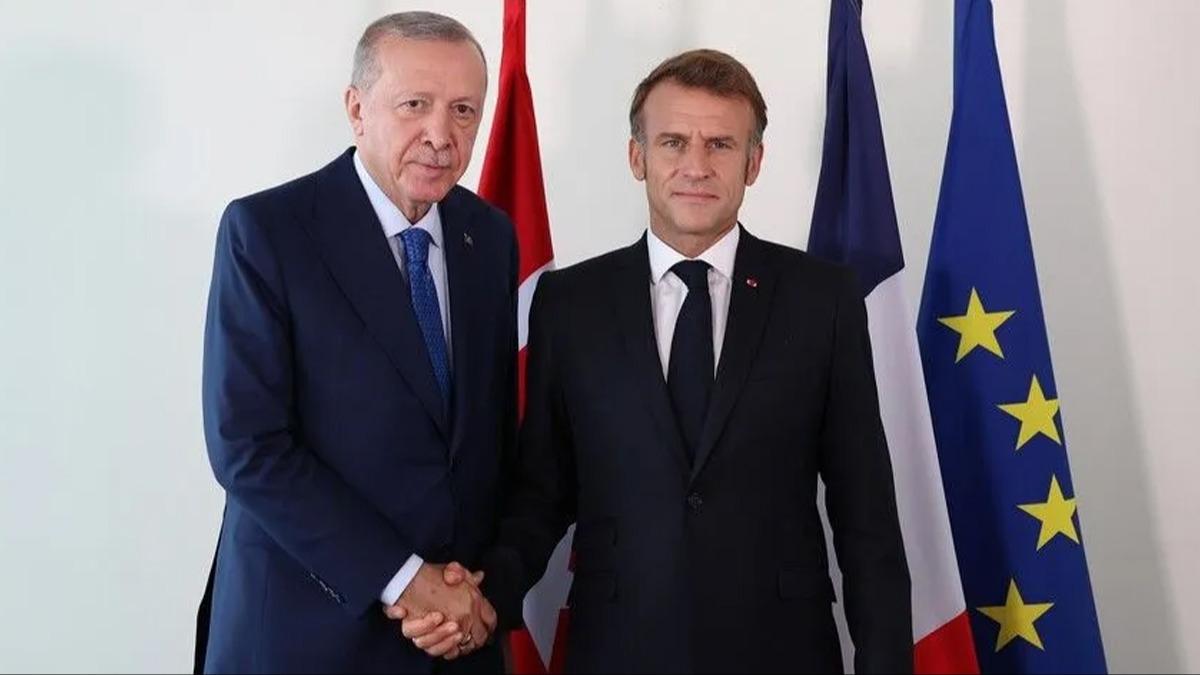
On October 27, 2026, Turkish President Recep Tayyip Erdoğan and French President Emmanuel Macron initiated a phone conversation. This gesture set a tone of mutual respect and goodwill, laying the foundation for the substantive discussions that would follow.

As the conversation progressed, Erdoğan turned to the pressing issue of the United Nations (UN) and the upcoming selection of the new Secretary-General. He emphasized that the next UN leader must possess the vision and experience to restore the organization as the center of multilateralism and effectively implement necessary reforms. Erdoğan's perspective was clear: the new Secretary-General must be someone who can bring the UN to a more multi-faceted center, ensuring that the organization remains a robust and effective platform for global cooperation.
Macron, in his neutral stance, acknowledged the importance of the UN and the need for reform. He then extended an invitation to Erdoğan for the COP31 Leaders' Summit, which was scheduled to take place in Turkey. This invitation was a clear sign of France's commitment to fostering strong bilateral relations and maintaining a dialogue on global issues. Macron's words were measured, reflecting his approach to international diplomacy: 'We are looking forward to your participation in the COP31 Leaders' Summit, which will be a significant opportunity to discuss our shared interests and challenges.'
Erdoğan highlighted that the next Secretary-General must have the vision and experience to restore the UN as the center of multilateralism.
Erdoğan, in his supportive tone, reciprocated the invitation, expressing his eagerness to attend the COP31 Leaders' Summit. This event, set to take place in Türkiye, would provide a platform for leaders from various nations to address pressing global issues and strengthen their partnerships. Erdoğan's invitation was a strategic move, aimed at reinforcing the bilateral relationship between Turkey and France, and positioning Turkey as a key player in international affairs.
During the conversation, both leaders underscored the importance of multilateralism in the context of the UN and global governance. Erdoğan highlighted that the next Secretary-General must have the vision and experience to restore the UN as the center of multilateralism. This emphasis on multilateralism reflects a broader geopolitical shift, where countries are increasingly recognizing the benefits of collaborative efforts in addressing global challenges. For Erdoğan, this was not just a matter of principle but a strategic necessity for Turkey to maintain its influence in the international arena.
The phone call between Erdoğan and Macron was more than just a routine diplomatic exchange. It was a strategic partnership in action, where both leaders demonstrated a willingness to engage on critical global issues. The conversation highlighted the importance of strong bilateral relations and the role of international organizations in shaping the future of global governance. By discussing the UN Secretary-General selection and inviting each other to significant events, the two leaders were laying the groundwork for a collaborative approach to addressing the complex challenges facing the world.
As the phone call concluded, both leaders left with a renewed sense of commitment to strengthening their bilateral relationship. The conversation on the UN Secretary-General and the invitation to the COP31 Leaders' Summit marked a new chapter in the strategic partnership between Turkey and France. This dialogue underscored the importance of multilateralism and reform in international organizations, setting the stage for future cooperation on a range of global issues. The call was a testament to the evolving dynamics of international relations, where countries are increasingly recognizing the value of collaboration and shared leadership in addressing the world's most pressing challenges.