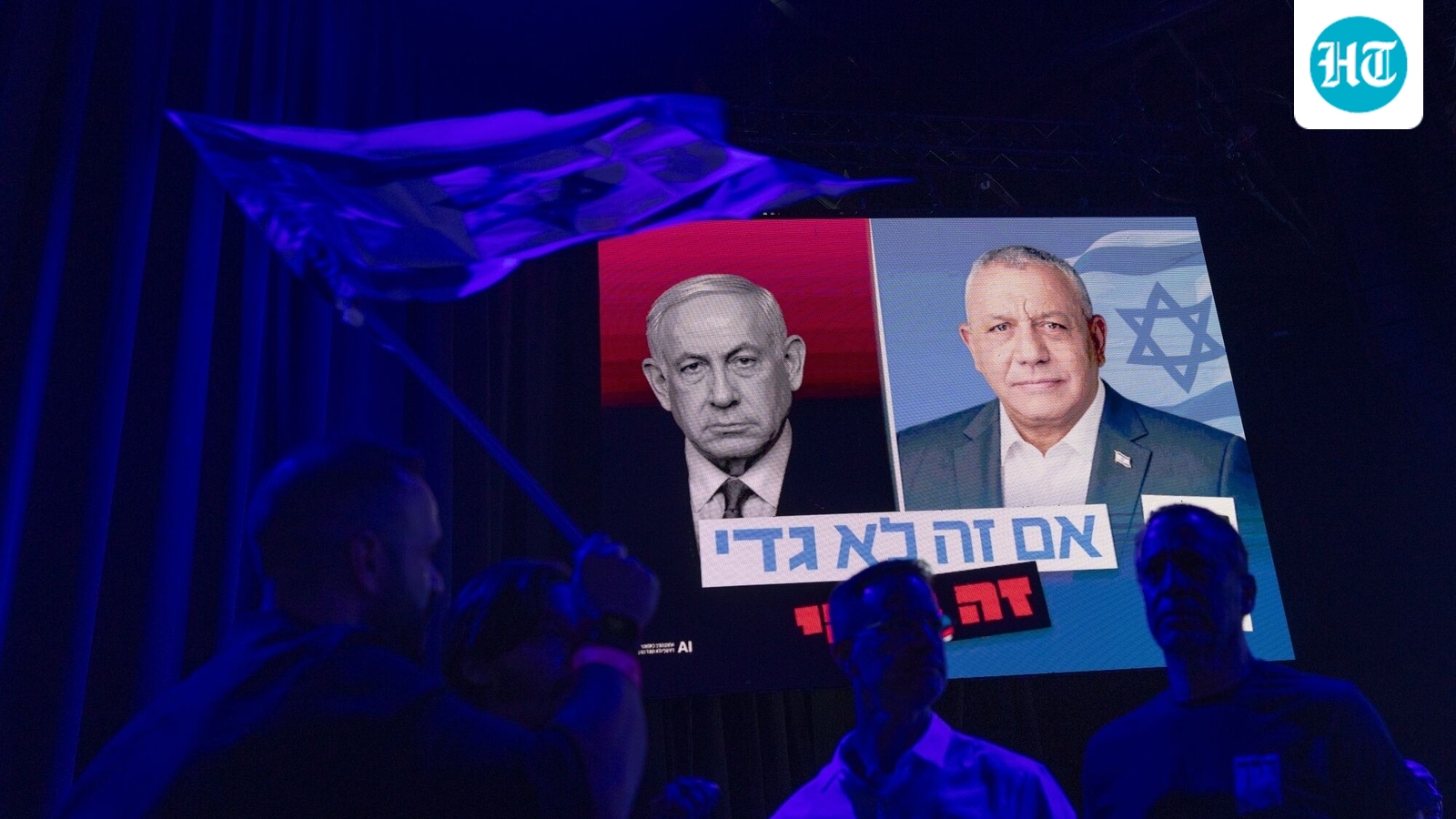
Voters across Israel streamed to polling stations in numbers the country had not seen in recent memory. Within the first nine hours of voting, national turnout reached a record 55.7 percent, signaling an extraordinarily high level of public engagement across the electorate. By the end of the day, overall participation reached 66.7 percent—a full nine percentage points higher than the participation rate recorded in the 2022 elections. For a nation accustomed to tight parliamentary battles, the sudden rush to the ballot box reflected an acute sense of urgency.
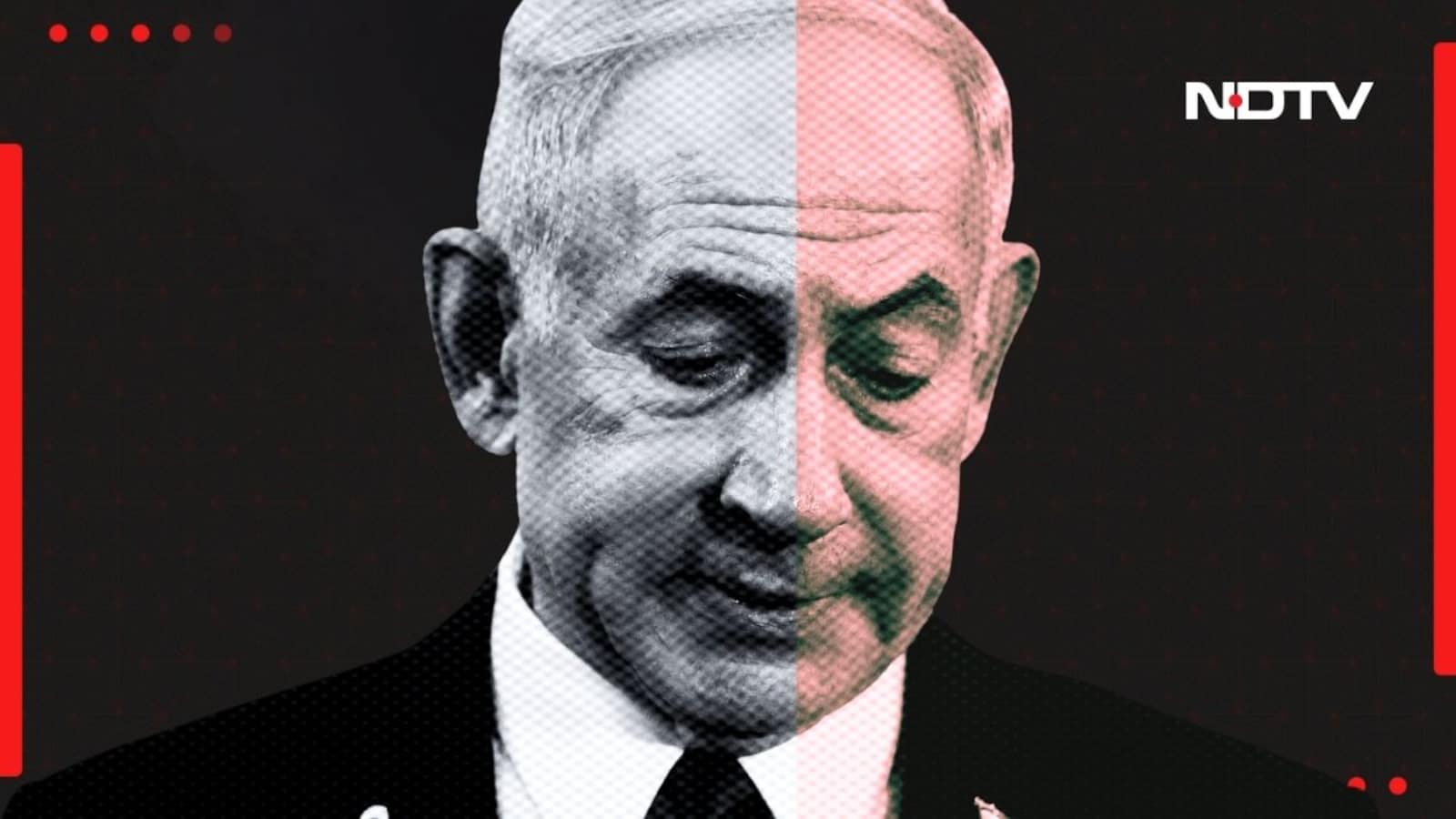
This vote marks Israel's first legislative election since the October 2023 Hamas-led attacks, which resulted in significant casualties. That tragedy fundamentally reordered national priorities and transformed this election into a critical test for Prime Minister Benjamin Netanyahu's political future. Opponents and supporters alike approached the ballot box recognizing that the vote was not merely a routine choice of parliamentarians, but a direct verdict on the leadership that has guided the nation through an extraordinary period of national crisis.

Netanyahu lost. Let’s say Trump calls him after the midterms and says, “let’s go back to war with Iran.” Does Netanyahu take us into a war while Eisenkot is negotiating the formation of a government?
At the center of the contest is Netanyahu, Israel's longest-serving prime minister. Defending his long record, Netanyahu has framed himself as the only leader with the necessary mettle to face down Israel's foes. Yet his continued leadership faces a formidable challenge from Gadi Eisenkot. A former military chief of staff and a security hawk, Eisenkot has sought to unite opposition parties spanning the political spectrum, offering voters an alternative leadership anchored in military experience and broad opposition alignment.
Yet his continued leadership faces a formidable challenge from Gadi Eisenkot.
Among the most striking developments of the election has been the significant surge in voter participation within the Arab sector, which accounts for 21 percent of Israel's population. Turnout among Arab voters surpassed the 53.2 percent level seen in 2022, driven largely by widespread protest against the government's policies and its hardline ministers. Adding another dynamic element to this shifting political landscape is the newly formed Amja party, which could potentially play a key role in post-election coalition negotiations as Arab political influence expands.

Despite what you might think of him, it’s almost undeniable that Benjamin Netanyahu is maybe the greatest elected politician and statesman of the 21st century. It’s hard to think of anyone else who has so irrevocably left his mark on any country as Netanyahu has for Israel.
As citizens cast their ballots, Netanyahu launched an urgent appeal to rally his political base, prompting sharp criticism from opponents who condemned his campaign tactics. Urging his supporters to take immediate action, Netanyahu issued a direct call to action: "You all need to stream to the polls. This is a fateful moment."
Netanyahu warned his base that low turnout among right-wing voters could open the door for Arab political leaders to form the next government. Framing the choice before the country in uncompromising terms, he stated, "We cannot leave this battle here in the hands of the left and the Arab parties that want to bring an end to the Jewish state."
Despite the massive turnout across communities, opinion polls throughout the campaign indicated a tightly contested race with neither major bloc having a clear path to a governing majority. Under Israel's parliamentary system, a coalition must secure at least 61 seats in the Knesset to form a government. As the record-setting vote tallies are processed, neither Netanyahu's coalition nor Eisenkot's opposition alliance has an obvious route to that majority, leaving the ultimate shape of the next government hanging on a razor-thin political balance.
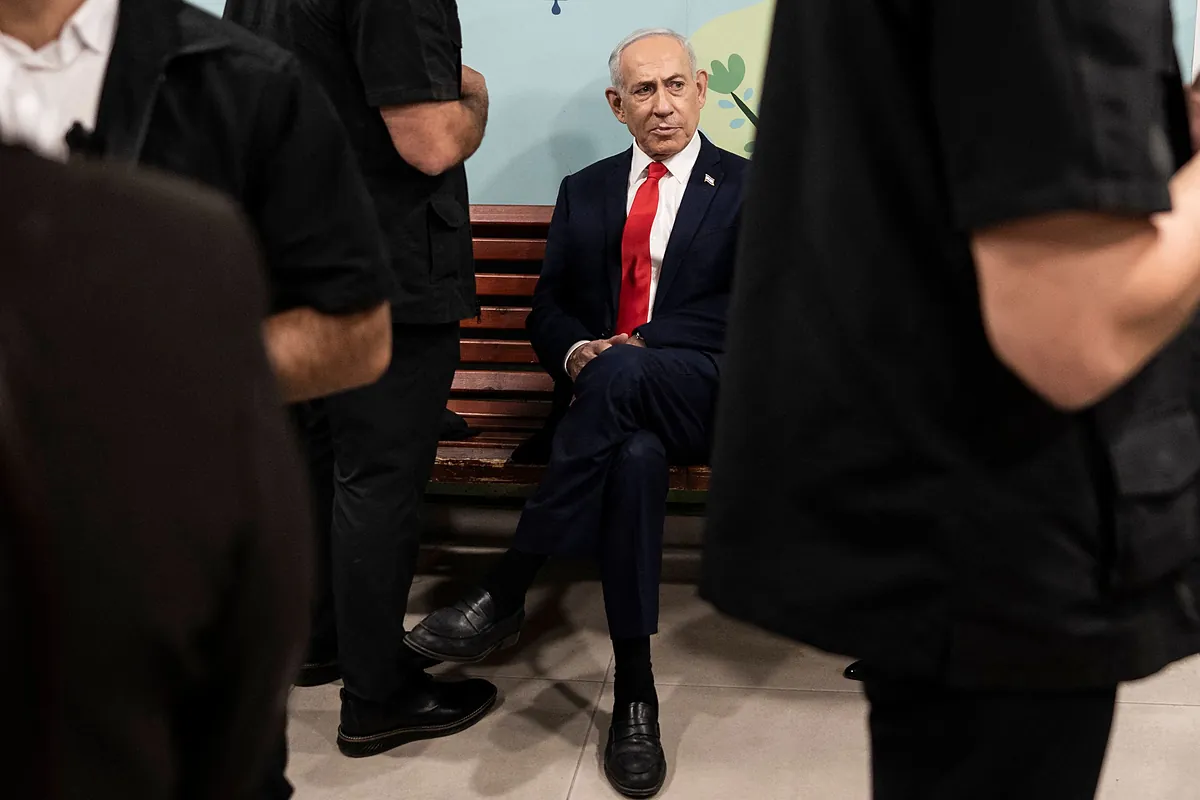

Israeli "democracy": - 500,000 West Bank settlers can vote, but not the 3M Palestinians under occupation - 230,000 Israelis in occupied East Jerusalem can vote, but not the 350,000 Palestinians under their rule - The fewer than 2M Palestinians left in occupied Gaza cannot vote