
On Thursday, October 29, French Interior Minister Laurent Nuñez made a definitive statement regarding the security landscape for the coming weekend. He announced that 70,000 police and gendarmes would be mobilized to manage the third act of social mobilization scheduled for Saturday, October 31. This is not a standard deployment; it is a declaration of an exceptional security device designed to ensure public order during a period of anticipated high risk. The scale of this operation reflects a government stance that treats the upcoming demonstrations as a significant challenge requiring a substantial show of force.
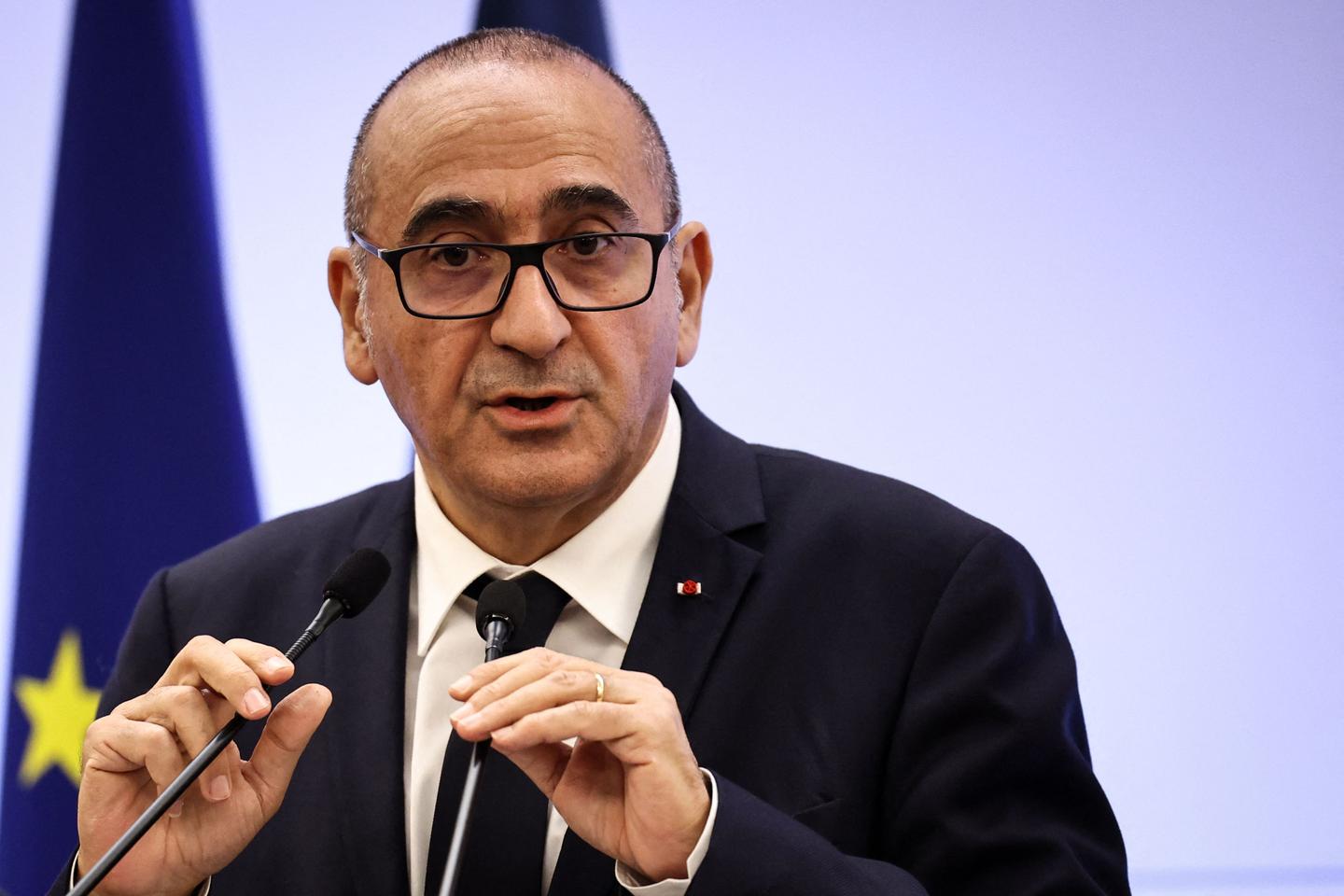
The timing of this mobilization coincides with Halloween, a detail that adds a layer of complexity to the security plan. Nuñez expects a high-risk day specifically due to the evening hours associated with the holiday. This context suggests that the authorities anticipate increased visibility or potential disruptions related to the celebration itself. By linking the date to the holiday, the minister signals that the nature of the unrest may be influenced by the cultural atmosphere of the night, necessitating heightened vigilance from the outset.

#France is deploying 70,000 police officers and gendarmes again this Saturday, 31 October. Gatherings planned for 8 pm on Halloween remain banned, following social media calls for “revolution” and “resurrection”, Interior Minister Laurent Nuñez says, warning of serious public disorder.
This deployment mirrors measures taken previously. The briefing indicates that the current security setup is similar to the one used on October 24, when protests occurred in Paris. By referencing this earlier event, the government establishes a baseline for what is expected: that large-scale gatherings require comparable levels of intervention. The comparison serves to remind observers that the state views these demonstrations as part of a recurring cycle of social mobilization that demands consistent, robust management.
While the government focuses on containment, the drivers behind the mobilization remain rooted in broader economic grievances.
To enforce this level of control, the minister detailed the involvement of specialized units. All specialized services will obviously be engaged, notably the BRI, the RAID, and the GIGN. These are not generalist forces but rather elite units often deployed for complex operations. Their inclusion signals a readiness to handle situations that might escalate beyond simple crowd control into more serious confrontations involving violence or disorder. Drones and helicopters will also be utilized to provide aerial surveillance over the city centers where strict enforcement is prioritized.
While the government focuses on containment, the drivers behind the mobilization remain rooted in broader economic grievances. Coordination calls came from groups such as the Gilets Jaunes and student unions, who advocated for a new day of social mobilization against high living costs. These organizations have been active in calling for action, creating a network of pressure that the authorities seek to contain through their extensive security presence. The convergence of these groups suggests a unified front driven by financial hardship rather than isolated incidents.
In addition to the personnel on the ground, administrative measures were tightened to further restrict movement. A ban on non-declared gatherings in some Parisian areas was extended until Monday. This measure aims to prevent unannounced assemblies that could spark immediate conflict. The Interior Ministry supports this approach, emphasizing strict enforcement and interdictions in city centers. The goal is to limit the ability of protesters to organize spontaneously without prior approval from the authorities.
Despite the heavy-handed preparation, the tone remains cautious regarding the outcome. The minister warned of multiple calls for gatherings on social media, raising concerns about potential exactions and a high risk of urban violence. He explicitly stated that they will tolerate no excesses. This warning underscores the severity with which the government views the situation, framing the upcoming days as critical tests of public order that could result in significant clashes if not managed correctly.
