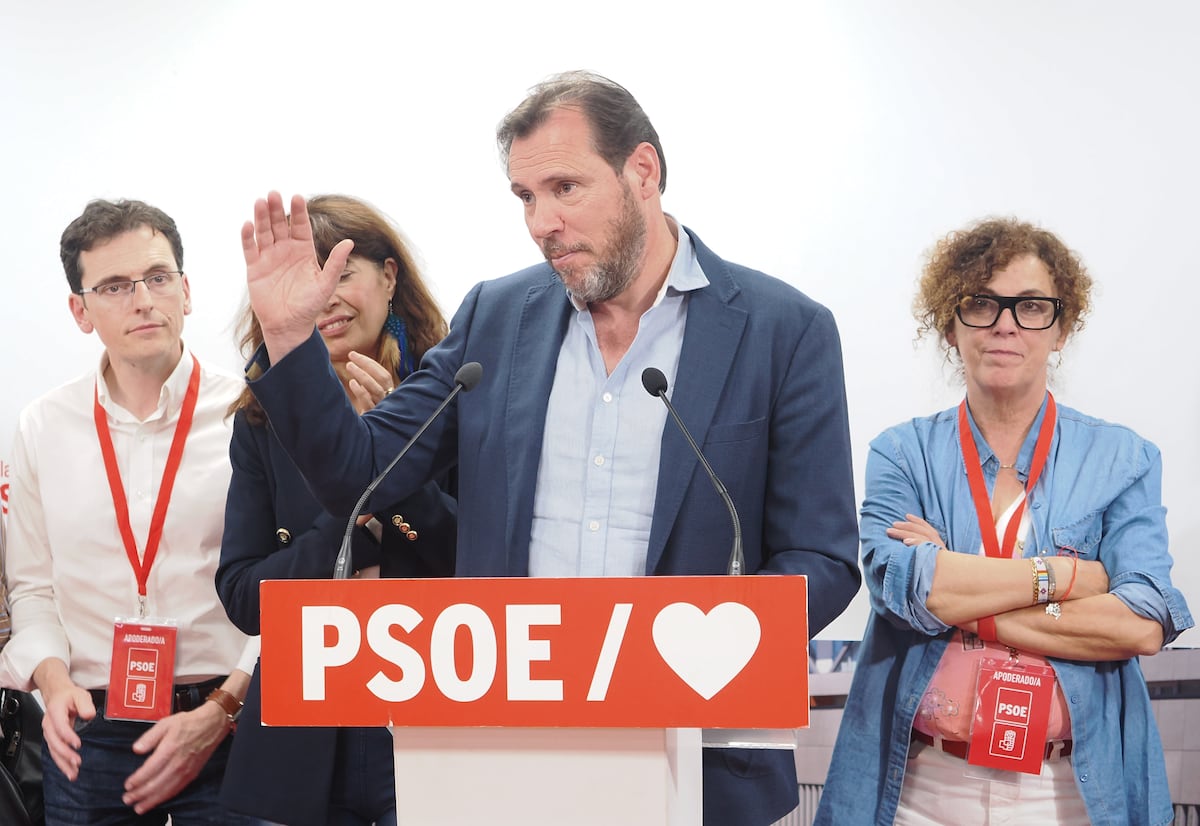
In the final days before Spain's November 29 elections, a peculiar situation has emerged in Valladolid that challenges the traditional principles of electoral integrity. The local Electoral Board has issued a resolution that acknowledges a reality no election official typically confronts: ballots bearing a crossed-out name of a candidate who is no longer running. The subject is Óscar Puente, the former minister whose name appears on PSOE ballots despite his resignation to make way for Minister of Equality Ana Redondo's candidacy.
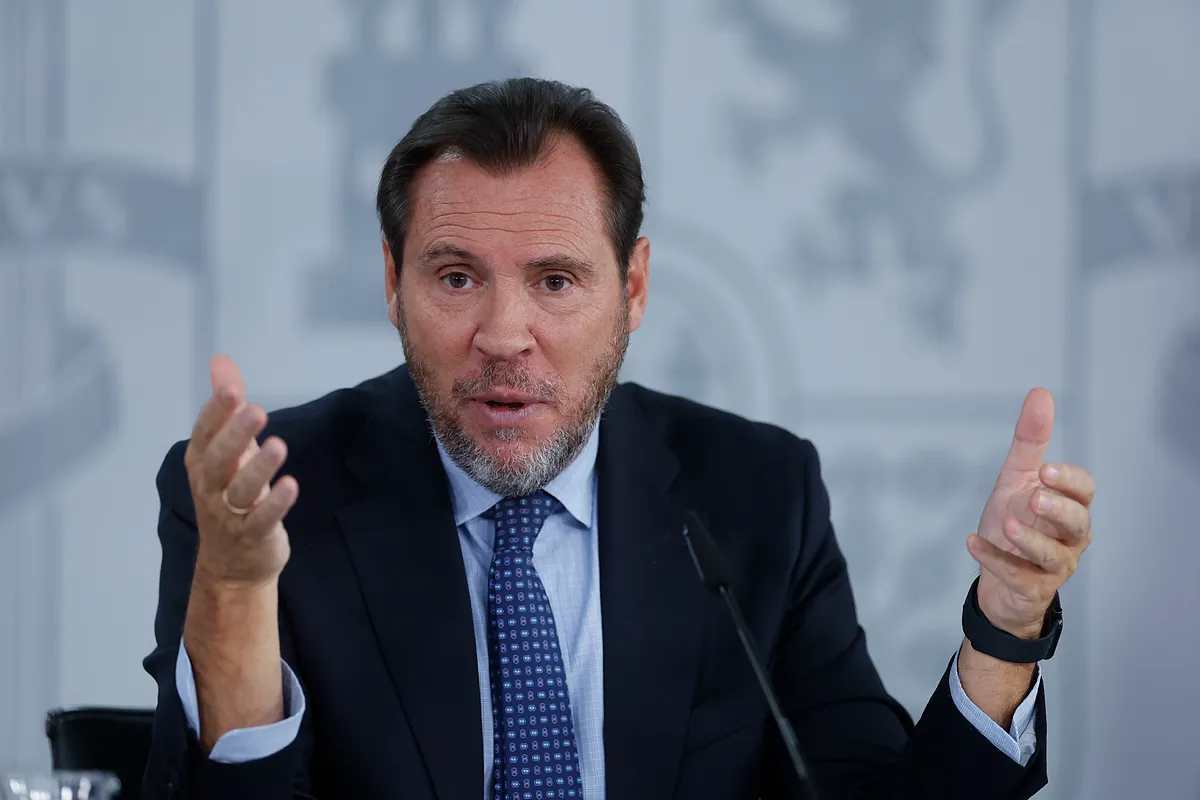
The situation stems from a political reshuffling within the PSOE party structure. Puente, once the designated candidate for Valladolid, stepped aside to allow Redondo to lead the regional candidacy. This transition occurred after the official ballots had already been printed, creating an unusual electoral dilemma. The party found itself in the position of campaigning for a candidate whose name technically remained on the ballot despite no longer being the face of their campaign.
Faced with this conundrum, the PSOE petitioned the Junta Electoral de Valladolid to remove Puente's name from the ballots before they reached polling stations. The request, however, was denied. The Electoral Board invoked established legal doctrine regarding ballot immodifiability after the official proclamation of candidates in the Official State Gazette (BOE). This principle, supported by precedents from 1986 and 1996, holds that once ballots are officially printed and candidates proclaimed, they cannot be modified.
While rejecting the PSOE's request to reprint ballots, the Junta Electoral demonstrated flexibility in addressing the practical reality voters would face.
While rejecting the PSOE's request to reprint ballots, the Junta Electoral demonstrated flexibility in addressing the practical reality voters would face. The Board determined that ballots with Puente's name crossed out should still be considered valid. This decision acknowledged that voters might legitimately cross out the name to align their ballot with the current candidacy led by Redondo. As the Board stated, such modifications represent an attempt "to adapt the ballot to the reality of the candidacy at the time of voting, with the meaning of the vote being unquestionable in any case."
For the PSOE, the Board's decision represents what party sources in Castilla y León have described as the "lesser evil." While not their preferred solution, it at least prevents votes from being invalidated due to what they consider a technicality. The party now faces the challenge of educating voters about how to properly mark their ballots to ensure their votes count. As PSOE sources indicated, this will require "all the pedagogy in the world" to ensure voters understand that crossing out Puente's name won't invalidate their vote for the party's actual candidate.
As November 29 approaches, polling stations in Valladolid will implement the Electoral Board's guidance, accepting ballots with crossed-out names as valid. The situation highlights the tension between electoral formalism and practical reality, demonstrating how election boards must sometimes navigate uncharted territory to uphold both legal principles and the will of voters. For Valladolid's electorate, the unusual ballot instructions add one more layer of complexity to an already consequential election, testing the adaptability of both voters and those tasked with administering the democratic process.