
For the Palestinian people, the promise of a renewed mandate has long been a central pillar of political hope. However, that horizon has just moved significantly further away. In a move that reshapes the immediate political landscape, Palestinian President Mahmoud Abbas has issued a presidential decree scheduling both presidential and legislative elections to take place simultaneously on September 11, 2027. This decree, released on a Saturday, marks a definitive shift in the timeline for the region's democratic processes, setting a new, distant date for a moment that many had hoped would arrive much sooner.
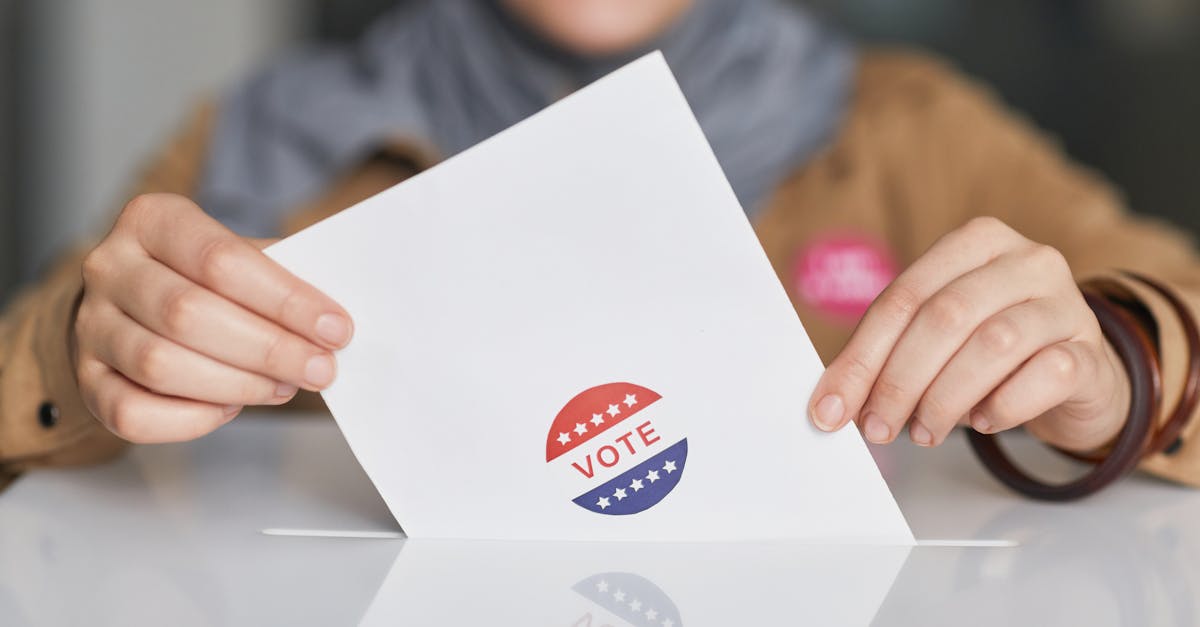
The announcement does more than just set a new date; it fundamentally alters the expectations of the international community. Previously, the legislative elections—the votes intended to determine the composition of the Palestinian legislature—were expected to occur on November 28, 2026. By merging the presidential and legislative contests into a single event in late 2027, the decree effectively postpones the legislative process by nearly a year beyond its original window. This consolidation of votes into a single day on September 11, 2027, represents a significant departure from the staggered electoral cycle that had been anticipated.
To understand the weight of this decree, one must look at the man behind the pen. Mahmoud Abbas has held the office of President for over 20 years, a tenure that spans decades of intense geopolitical struggle and internal upheaval. For a leader whose presence has defined the Palestinian political era for two decades, the decision to schedule elections so far in the future is a moment of profound consequence. It reflects a leadership navigating a period where the traditional mechanisms of power are being tested by time and circumstance.
During the Fatah party congress in May, Abbas had previously promised that elections would be held.
The delay arrives despite previous commitments to the democratic process. During the Fatah party congress in May, Abbas had previously promised that elections would be held. Fatah, the political movement to which Abbas belongs, is currently grappling with a period of diminishing influence. The party's standing has been eroded by a combination of internal divisions that have weakened its cohesion and a persistent, bitter rivalry with Hamas, the primary political opponent. These internal struggles have made the task of organizing a stable and representative election increasingly complex.
Beyond the internal mechanics of the Fatah party, there is a broader, more systemic frustration coloring the political atmosphere. The Palestinian public has faced a long period of stagnation regarding the Israeli-Palestinian peace process. As this process remains stalled, public frustration has mounted, creating a volatile environment for any political movement attempting to claim a fresh mandate. The lack of movement on the diplomatic front has contributed to a sense of political paralysis, making the prospect of a stable election feel increasingly distant for those living under the current administration.
As it stands, the path to the ballot box is now a long road stretching toward the autumn of 2027. The decree has effectively reset the clock, pushing the immediate concerns of legislative reform and presidential succession into a future that feels both essential and elusive. While the date is now set for September 11, 2027, the political tensions—the rivalry with Hamas, the internal fractures within Fatah, and the overarching frustration with the peace process—remain unresolved, casting a long shadow over the eventual vote.