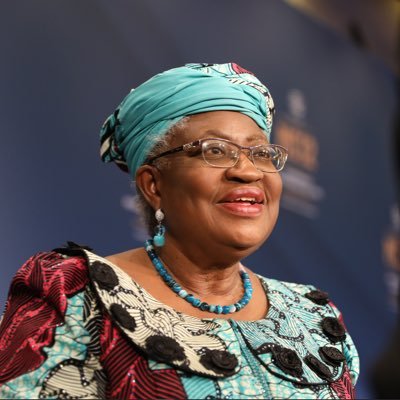
On a recent occasion in Jakarta, Ngozi Okonjo-Iweala, Director-General of the World Trade Organization, emphasized the urgency of WTO reform and the necessity of addressing the ongoing stalemate in its dispute resolution system. She underscored that despite the Appellate Body’s paralysis since 2019, the WTO’s core functions remain operational through committees, bilateral negotiations, and dispute panels, with 55 new cases recorded as of October.

Okonjo-Iweala highlighted the persistent deadlock in the Appellate Body, noting that its functioning has been hindered since the United States blocked new appointments in 2019. This stalemate has left unresolved judgments in limbo, raising concerns about the fairness and stability of trade rulings.
She introduced the Multi-Party Interim Appeal Arbitration Arrangement (MPIA), established in 2020 by members including China, Brazil, and the European Union. This arrangement provides an interim solution for appeals, offering a more flexible pathway for resolving trade disputes while the Appellate Body remains inactive.
Despite the Appellate Body’s inactivity, the WTO maintains active dispute resolution processes through committees, bilateral talks, and existing panels.
Addressing Indonesia directly, Okonjo-Iweala stressed the importance of the country joining the MPIA. She warned that unresolved rulings could lead to significant trade risks and emphasized that the WTO system, despite its challenges, continues to function effectively through alternative dispute resolution methods.

WTO chief urges Indonesia to join interim mechanism, insists priority reform - Economy - The Jakarta Post https://t.co/dECP85Ac5P
Despite the Appellate Body’s inactivity, the WTO maintains active dispute resolution processes through committees, bilateral talks, and existing panels. This ensures that trade concerns are addressed, though without the final appeal mechanism. Okonjo-Iweala underscored that while the system is not entirely non-functional, the absence of appeals creates uncertainty for trade decisions.
Her appeal to Indonesia reflects a broader call for engagement with innovative solutions to WTO reform. By joining the MPIA, Indonesia could help stabilize trade relations and demonstrate leadership in navigating the evolving landscape of global trade dispute resolution.
A great set of meetings and quick catch-up sessions with ASEAN leaders at BRICS in Delhi, Their Excellencies, PM @anwaribrahim of Malaysia, President @prabowo Subianto of Indonesia, and Deputy PM and Minister of Foreign Affairs of Thailand, @SihasakPh Phuangketkeow. Discussions focused on ongoing trade turbulence, the value of a predictable Multilateral Trading System and how to reform the @wto to better serve its Members.