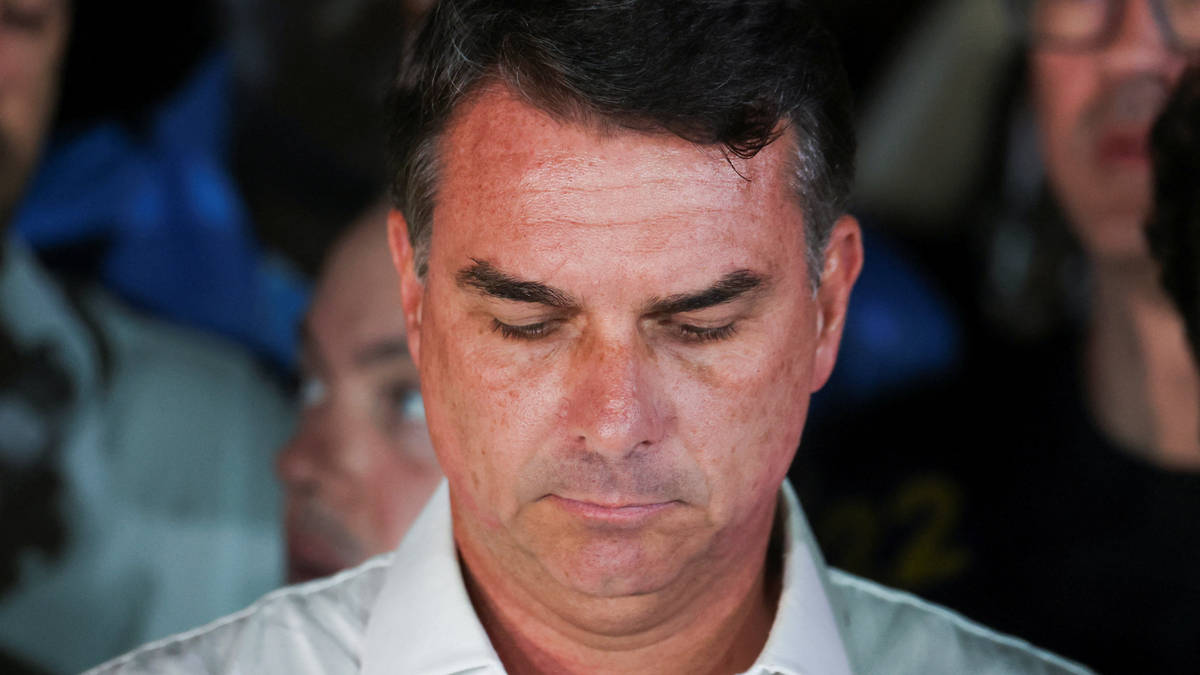
In the volatile political landscape of Brazil, few figures carry the weight of legacy quite like the children of Jair Bolsonaro. The man who was once favored to carry his father's political banner into the presidency was, just days before his departure, sitting on the other side of a bruised and contested defeat. He had lost the presidential election. Yet instead of retiring to private life or continuing to serve as a senator, he chose a different path. Flávio Bolsonaro reportedly fled Brazil with his wife and two daughters, leaving behind his political duties, and is now in the United States. The report that the Senator has already fled Brazil indicates a definitive break from domestic political life, a move that has left his supporters and critics alike grappling with the implications of his absence.
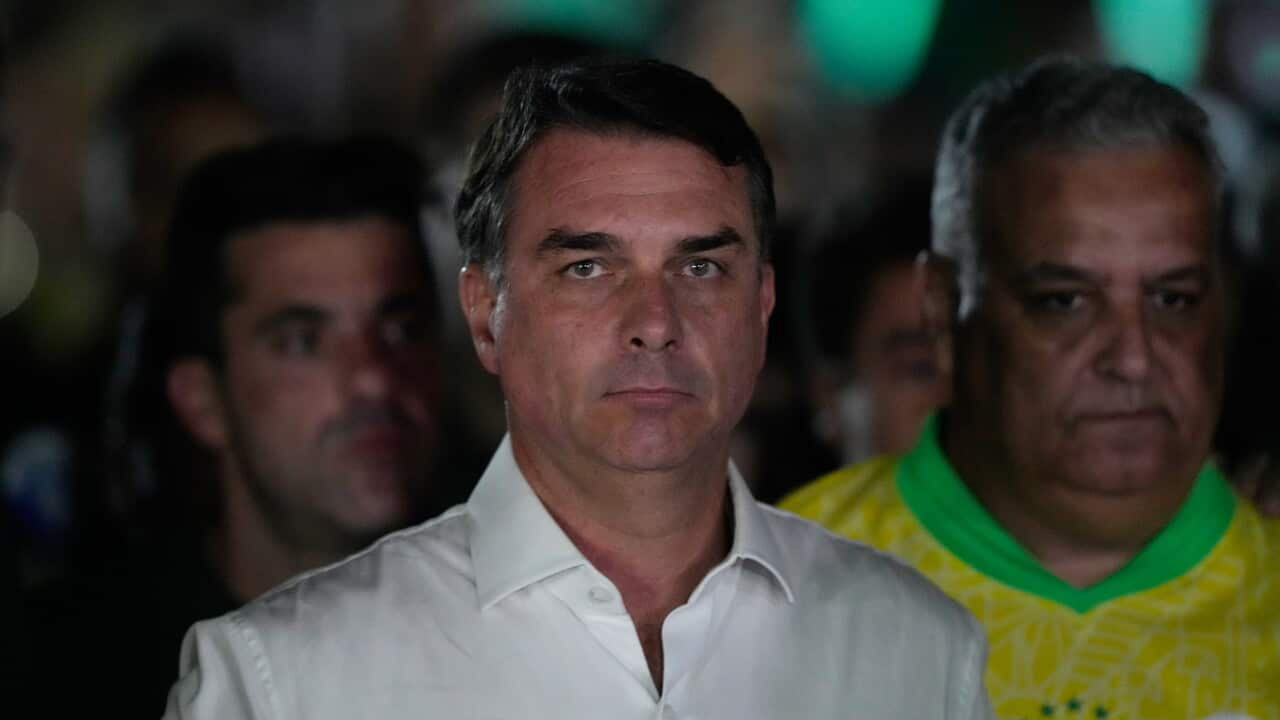
The urgency of his departure cannot be understood without looking at the judicial order that preceded it. On October 26, 2026, Supreme Court Justice Alexandre de Moraes ordered the seizure of Bolsonaro's passport. For a politician who had just survived a painful electoral loss, this legal move was a significant hurdle. Reports of money-laundering allegations had been simmering for some time, complicating the senator's legal standing. By seizing the passport, Justice de Moraes effectively grounded Flávio Bolsonaro. This action highlighted the growing tension between the judiciary and the political figures surrounding the new administration.
Yet Flávio Bolsonaro did not stay grounded. On October 28, 2026, he crossed the border into the United States. This was not an illegal entry into a gray zone; it was a sanctioned transit. The U.S. State Department will issue visas to Flavio Bolsonaro and his family and allow them entry into the United States. A visa had been granted to Flávio Bolsonaro, allowing him to enter the country openly. This bureaucratic green light transformed a potential criminal flight into a diplomatic event. The United States had chosen to offer sanctuary, or at least safe harbor, to a Brazilian senator who was now openly defying his home country's Supreme Court. The granting of the visa stands in stark contrast to the views of the new Brazilian leadership.
For Luiz Inácio Lula da Silva, the man who had just assumed the presidency of Brazil, this flight was a personal and political affront.
For Luiz Inácio Lula da Silva, the man who had just assumed the presidency of Brazil, this flight was a personal and political affront. The new president's administration was tasked with upholding the rule of law and ensuring that no one, regardless of their political pedigree, stood above the Constitution. Flávio Bolsonaro's departure was framed by critics and supporters of Lula as an act of judicial persecution that the former senator was fleeing, but for Lula's team, it was a defiance that threatened to tear the fabric of Brazilian democracy. It was a reminder that the polarization that fueled the campaign had not ended with the counting of ballots; it had merely changed its shape. Lula's critical stance toward the event was not just about a single politician; it was a defense of the sovereign authority of the Brazilian state against external diplomatic interference.
The flight also threatened to worsen the already fragile relationship between Brazil and the United States. By granting a visa to a senator who had defied a domestic court order, the U.S. injected a layer of complexity into bilateral talks. It signaled to Brazil that the American government might prioritize its own political relationships over strict adherence to international judicial comity. This move risked deepening the rift between the two nations. The presence of Flávio Bolsonaro on American soil was not just a personal matter; it was a statement about where the center of political gravity lay for Washington.
Amid the speculation and the diplomatic fallout, Flávio Bolsonaro offered a rare glimpse into his mindset. "I never thought about leaving the country," he said. The statement was likely designed to frame his actions as a reaction to immediate danger rather than a premeditated betrayal of his duty as a senator. It was a narrative of survival, a man claiming he had no choice but to protect his family from what he perceived as an unjust legal persecution. Whether or not that perspective was shared by the Brazilian public, the quote became a rallying cry for his supporters, who saw in his exile a victim of a corrupt system, while his detractors saw it as the final admission that he had nothing left to do in public life.

Flavio Bolsonaro lands in the US as he flees after election loss; Lula slams him for 'sneaking out' of Brazil READ: https://t.co/blLVLcZ17z https://t.co/blLVLcZ17z
As of now, Flávio Bolsonaro resides in the United States, having bypassed the constraints of Brazilian law. The situation stands as a suspended chord in Brazilian politics. The new administration under Lula is expected to continue its legal battles and investigations, regardless of where the accused sits. For Flávio Bolsonaro, the days of campaigning or serving in the Senate are over.