
Alberta’s debate over independence has been a recurring feature of provincial politics. In the weeks leading up to the vote, Premier Danielle Smith urged Albertans to settle the question once and for all, emphasizing that the decision would shape the province’s future within Canada.
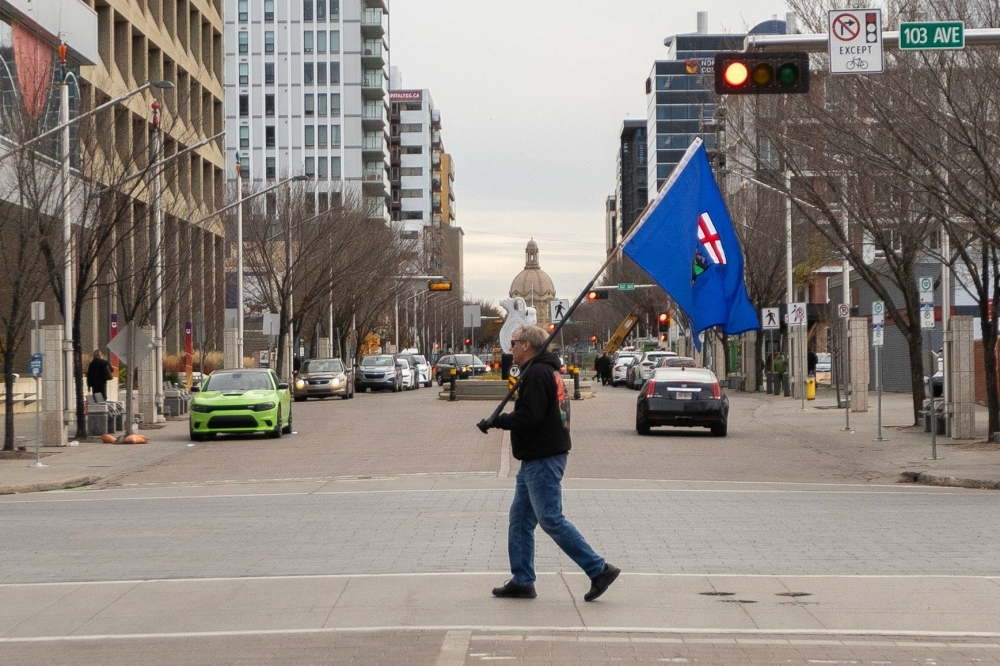
On October 19, 2026, Albertans voted on a single question: whether the province should begin the process toward independence. The referendum asked voters to choose between staying in Canada or starting steps toward separation.
More than 1.5 million votes were cast. The results showed a clear majority in favour of remaining in Canada – roughly 76‑77 % according to the counts – while about 23‑24 % supported beginning the independence process. In plain terms, the outcome reflected the preferences of roughly three‑quarters of the electorate.
” Carney’s comments framed the vote as a reaffirmation of national cohesion.
The following day, October 20, 2026, the results were officially announced. Prime Minister Mark Carney praised the outcome, stating, “Albertans made a clear choice, they chose unity, to build together, and to take care of each other. Above all, Albertans chose Canada.”
Carney’s comments framed the vote as a reaffirmation of national cohesion. By highlighting the clear preference for unity, the federal government signalled its intention to continue engaging with western concerns while respecting the democratic result.
Premier Smith echoed the Prime Minister’s optimism, noting, “Albertans have voted for a stronger Alberta in a united Canada.” Her remarks suggested that the province could use the mandate to negotiate better terms within the federation, while acknowledging the continued relevance of regional issues.
Separatist leader Jeffrey Rath acknowledged the defeat but pledged to keep the movement alive, saying, “We’ve learned a lot of lessons from this fight.” His statement indicated that the separatist camp would regroup and continue advocating for Alberta’s interests.
Former MP Thomas Lukaszuk celebrated the turnout and result, observing, “It was amazing to see the enthusiasm and resolve among Canadians.” Commentator Keith Wilson added that, even as the final numbers were confirmed, “at least a quarter of Albertans feel that Alberta needs to be treated better,” underscoring the persistence of underlying grievances.
The referendum result provides a clear indication of Albertans’ preference for staying within Canada, while also highlighting that a sizable minority still feels dissatisfied. The federal and provincial leaders now face the task of translating the vote’s symbolic support for unity into policies that address the concerns of those who voted for separation.
As the province moves forward, the conversation is likely to shift from a binary choice of separation versus unity to a broader discussion about how a united Canada can better serve its western provinces. The outcome of the 2026 vote will serve as a reference point for future debates on regional autonomy and national cohesion.