The quiet reverence that usually surrounds the Durga Temple in Paliganj, Bihar, was shattered when the dismembered head of a two-year-old boy was found near the temple’s outer wall, turning a place of worship into a grim crime scene. The Durga Temple, dedicated to the Hindu goddess of protection and strength, often draws families seeking blessings. That day, however, it became the backdrop for a tragedy that would reverberate through the town’s narrow lanes and bustling markets.

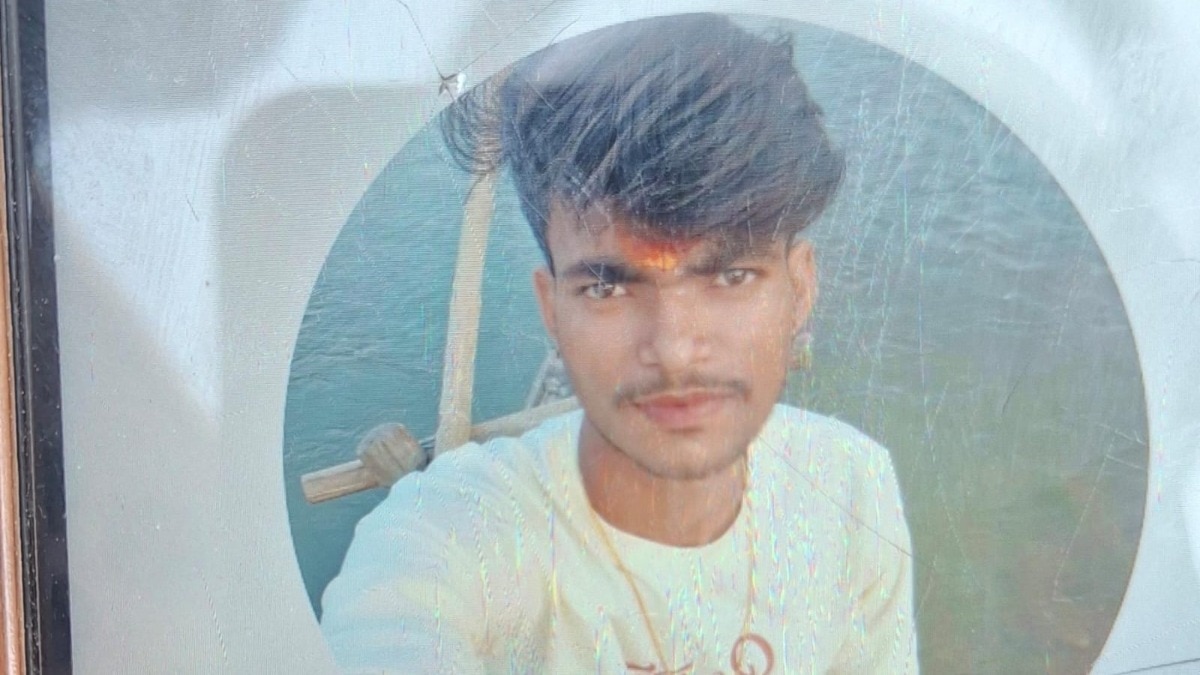
The victim, a two-year-old boy, was a member of a local family that, like many in Paliganj, relied on modest earnings and community ties. The accused, identified as the child’s older brother, was taken into custody by local police shortly after the discovery. The investigation revealed that the older sibling has a documented history of alcoholism, a factor that the community and investigators have highlighted as a possible motive. While the exact circumstances leading to the gruesome act remain under forensic scrutiny, the arrest underscores a stark contrast between familial duty and violent betrayal.
Paliganj, a town in the Indian state of Bihar, is no stranger to hardship, yet the brutality of this act struck a chord that cut across caste, class, and religion. Residents gathered outside the temple, their faces a mixture of disbelief and grief, as the police cordoned off the area. Neighbors recounted the boy’s innocent laughter that once echoed in the narrow alleys, now replaced by a silence that feels almost palpable. The collective mourning has taken on a public dimension, with local leaders urging calm while promising swift justice.
The accused’s known struggle with alcohol adds a layer of complexity to the case, prompting discussions about how substance abuse can exacerbate domestic violence.
Alcoholism, especially in rural parts of Bihar, is a social issue that intertwines with poverty, limited healthcare, and cultural attitudes toward drinking. The accused’s known struggle with alcohol adds a layer of complexity to the case, prompting discussions about how substance abuse can exacerbate domestic violence. Experts note that while alcoholism does not excuse criminal behavior, it often impairs judgment and can fuel aggression, making prevention and rehabilitation critical public health concerns.
Following the arrest, the Paliganj police launched a formal investigation, collecting forensic evidence from the temple vicinity and the victim’s home. The suspect’s detention aligns with Indian criminal procedure, which mandates that a person accused of a serious offense such as homicide be presented before a magistrate within 24 hours. The case will now move through the district court system, where the prosecution will need to establish motive, intent, and the precise sequence of events that led to the boy’s death.
The horror of a child’s life ending in such a violent manner forces a broader societal reckoning. Child protection mechanisms in Bihar have historically struggled with limited resources, and this incident highlights gaps in monitoring vulnerable families. NGOs operating in the region have called for stronger outreach programs, emphasizing early intervention for families where substance abuse is present. The tragedy serves as a painful reminder that safeguarding children requires a coordinated effort between law enforcement, health services, and community organizations.
As of today, the older brother remains in police custody, awaiting formal charges. The community continues to grieve, holding informal vigils near the Durga Temple while awaiting the outcome of the legal process. The case has already ignited conversations about alcoholism, domestic violence, and child protection in Bihar, suggesting that the ripple effects of this single, horrific act may influence policy and public awareness for months to come.