
In the early hours of October 28, 2026, the Philippine city of Cebu buzzed with anticipation as officials from the Association of Southeast Asian Nations (ASEAN) and their counterparts from the United States, Japan, Australia, and China gathered for a crucial meeting. The atmosphere was charged, with the specter of rising tensions in the Indo-Pacific region casting a long shadow over the proceedings. For US Defense Secretary Pete Hegseth, the stakes could not have been higher. His proposal to create a new US-ASEAN defense framework was not just a diplomatic gambit; it was a strategic move to counterbalance China's growing influence in the region.
As the meeting began, Hegseth stood before the assembled officials, his voice steady and confident. 'We’re not going to agree on everything, nor do we need to,' he declared, his words echoing through the conference hall. The proposal he outlined was ambitious, aiming to enhance cooperation and maritime domain awareness among the bloc's 11 member states and representatives from the US, Japan, China, Australia, and others. The framework was seen as crucial for navigating 'critically important' years ahead, with Singapore set to chair the ASEAN Defense Ministers’ Meeting Plus (ADMM-Plus) in the coming year.

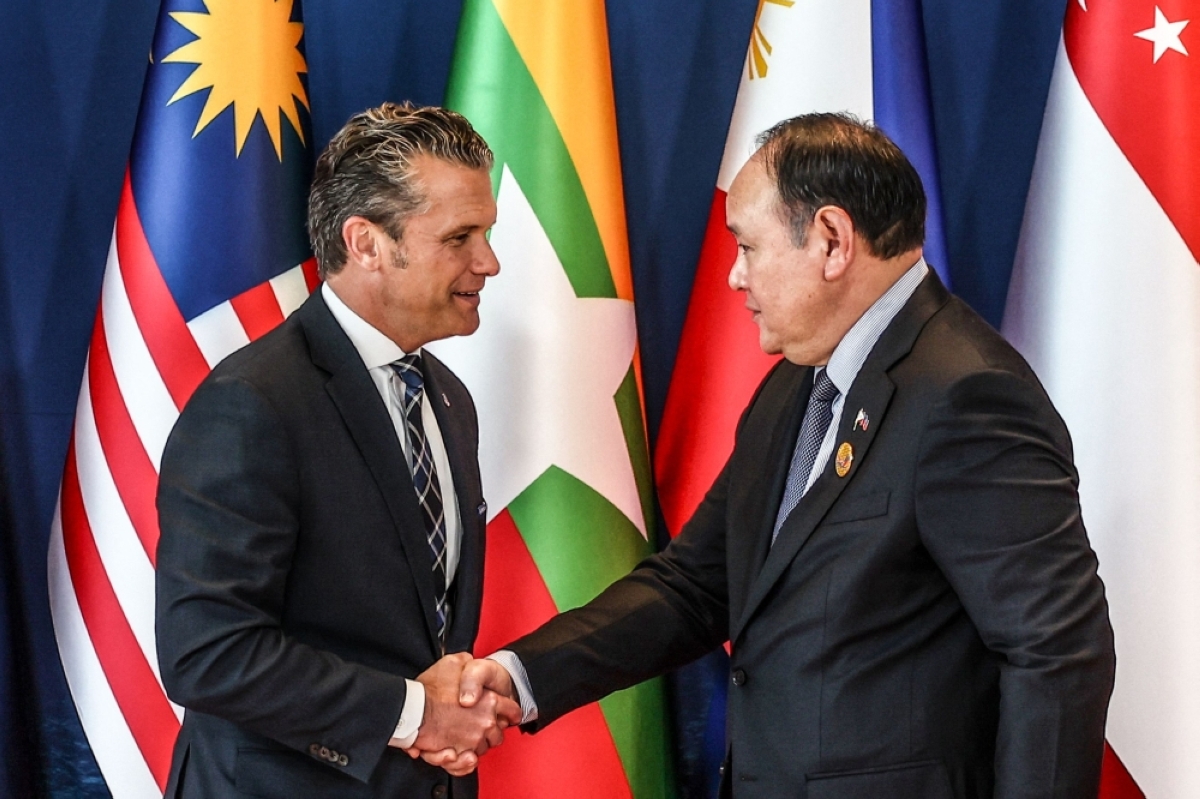
#WATCH | Cebu, Philippines: Defence Minister Rajnath Singh meets United States Secretary of War, Pete Hegseth, on the sidelines of the ASEAN Defence Ministers' Meeting Plus. https://t.co/0MfmbA3FqU
However, the path to success was far from clear. Analysts argued that ASEAN members were more likely to prefer bilateral arrangements that allowed them to navigate their relationships with both the US and China. This preference for flexibility in foreign policy was a significant hurdle for Hegseth's proposal. The meeting, which took place on the 50th anniversary of US-Asean relations, was fraught with historical and political complexities. The US had long been a key ally for many ASEAN nations, but China's growing economic and military influence had made it a formidable player in the region.
The US-Asean Defence Ministers’ Informal Meeting was a delicate balance of diplomacy and strategy.
The proposal came as China's military and coast guard presence in the South China Sea had increased, leading to tensions with the Philippines and other nations. Beijing's assertive actions had raised concerns among ASEAN members about their sovereignty and territorial integrity. The US, under Hegseth's leadership, sought to reassure these nations and bolster their collective defense capabilities. But the challenge lay in convincing ASEAN to commit to a framework that could potentially alienate China, a major trading partner and regional power.

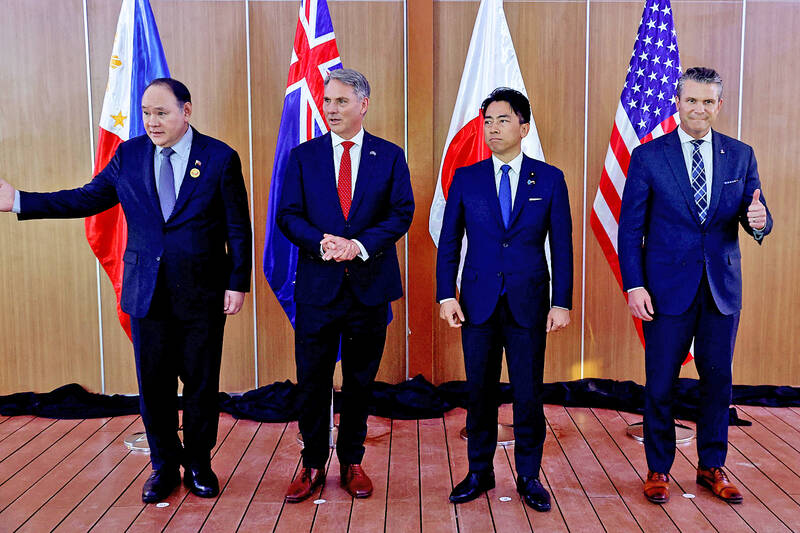
Secretary of War Pete Hegseth joins fellow defense ministers for a family photo at the ASEAN summit in the Philippines. For more updates, watch OAN on OAN Live or click the link in our bio. https://t.co/GGJnbrkl6W
The US-Asean Defence Ministers’ Informal Meeting was a delicate balance of diplomacy and strategy. The gathering was not just about defense cooperation; it was about maintaining the delicate equilibrium of power in the region. The meeting's timing, coinciding with the 50th anniversary of US-Asean relations, added a layer of symbolic significance. For many in the room, the anniversary was a reminder of the long-standing partnership between the US and ASEAN, but it also highlighted the evolving dynamics of the relationship.
Throughout the meeting, Hegseth maintained a neutral stance, acknowledging the challenges ahead. 'We recognize the complexity of the situation,' he said, his tone measured. 'But we believe that through cooperation and dialogue, we can address these challenges and strengthen the security of the region.' His words were met with nods and murmurs of agreement, but the underlying tension was palpable. The US had a vested interest in maintaining a stable and secure Indo-Pacific region, but it faced significant obstacles in achieving this goal through the proposed framework.
As the meeting drew to a close, the fate of Hegseth's proposal remained uncertain. The challenges were clear: ASEAN's preference for flexibility, China's growing influence, and the complex geopolitical landscape of the region. The coming year, with Singapore set to chair the ADMM-Plus, would be crucial for determining the framework's success. The road ahead was fraught with challenges, but the stakes were high. The US-Asean defense framework was not just a proposal; it was a test of the region's ability to navigate the complex web of alliances and interests in the Indo-Pacific.
Pete Hegseth's proposal to create a new US-ASEAN defense framework was a bold move in a region marked by rising tensions and complex geopolitical dynamics. While the path to success was fraught with challenges, the proposal offered a potential solution to the growing influence of China in the Indo-Pacific. The coming year would be crucial for determining the framework's success, but one thing was certain: the future of security in the region hung in the balance.