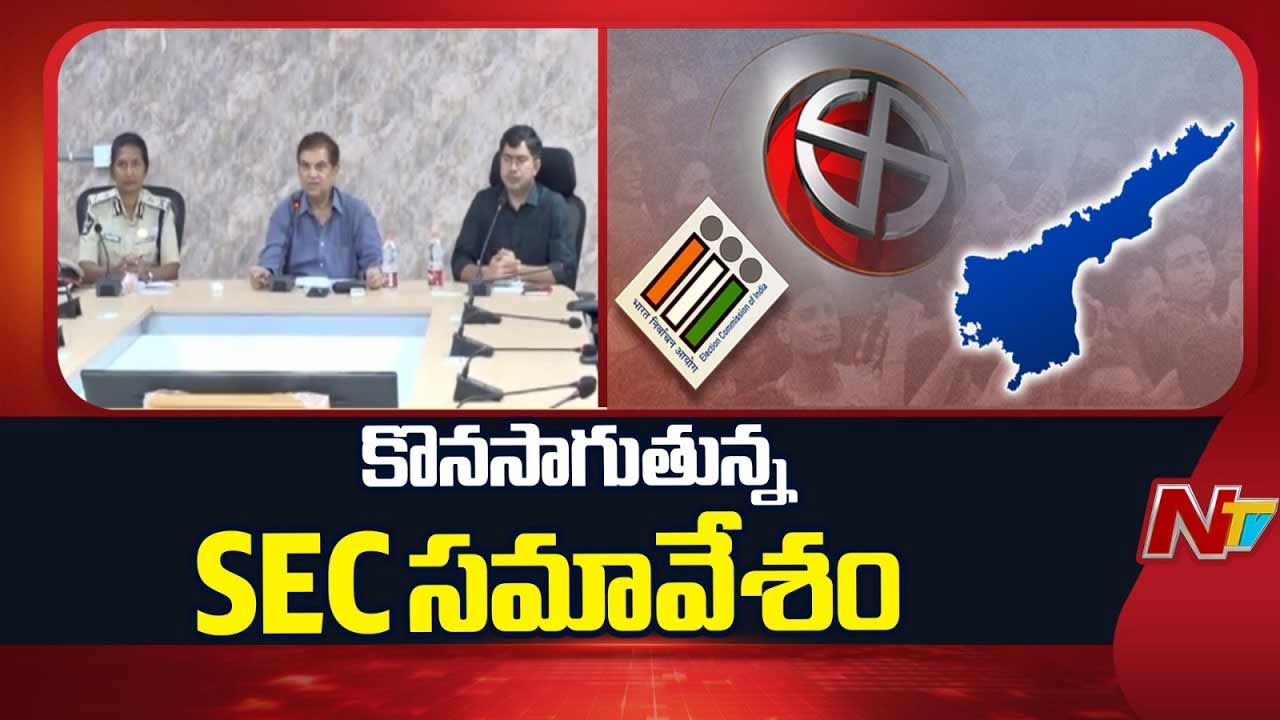
In the quiet corridors of administrative power in Vijayawada, the atmosphere has shifted from routine governance to intense scrutiny. On October 22, 2026, State Election Commissioner (SEC) Anil Chandra Punetha convened a high-level meeting that would become a focal point for the future of Andhra Pradesh's local body elections. This was not merely a procedural check-in; it was a gathering of the state's electoral architects, including IG Rajakumari, tasked with navigating the friction points of a democratic process in motion.

The meeting arrived at a moment of heightened tension. Local elections are the bedrock of grassroots democracy, determining the leadership that manages the immediate needs of communities. However, the mechanics of getting candidates onto the ballot—the nomination filing process—have encountered significant friction. As the clock ticks toward the established deadlines, the question of whether the current schedule is tenable has moved from political speculation to the center of the SEC's agenda.
To understand the depth of the friction, one must look beyond the capital to the districts where the actual filing of papers occurs. The SEC did not rely on anecdotal evidence or political hearsay; instead, Punetha sought empirical data from the ground. He requested and received formal reports from the Collectors and Superintendents of Police (SPs) across seven specific districts: Kadapa, Annamayya, Tirupati, Anantapur, Prakasam, Palnadu, and Markapuram.
Recognizing this, the SEC has moved into a phase of deep consultation.
These reports serve as a diagnostic tool for the electoral machinery. In each of these districts, officials have been tasked with documenting the specific obstacles and complaints that have emerged during the nomination period. These obstacles can range from logistical bottlenecks at filing centers to more complex administrative or security-related complaints. By gathering this intelligence from both the civil administration (the Collectors) and the law enforcement agencies (the SPs), the SEC is attempting to build a comprehensive map of where the process is stalling.

. @JanaSenaParty Will Contest in 35% of Seats in AP LocalBody Elections with NDA Alliance 💥✊🏼 Believe JANASENANI @PawanKalyan 🔥 #VoteForGlass #APLocalBodyElections https://t.co/ulxrImfspo
Deciding to alter an election timeline is not a decision made in a vacuum. It is a move fraught with legal peril and political consequence. A deadline extension can be viewed as a necessary accommodation for fairness, or it can be scrutinized as an interference with the established electoral calendar. Recognizing this, the SEC has moved into a phase of deep consultation.
Following the receipt of the district reports, Punetha has engaged with legal experts to review the findings. The goal is to determine if the obstacles reported in Kadapa, Anantapur, or the other five districts constitute a valid legal basis for a change in the schedule. The SEC is essentially weighing the integrity of the deadline against the integrity of the participation rate. If the obstacles are systemic enough to prevent a fair playing field, the law may provide a path for adjustment; if they are merely inconveniences, the schedule must hold.
As the deliberations continue, the state exists in a state of suspended animation. For the political actors and the general public, the decision regarding the nomination deadline is the most pressing variable in the upcoming local body elections. Every hour that passes without a definitive ruling adds to the sense of public and political anticipation.
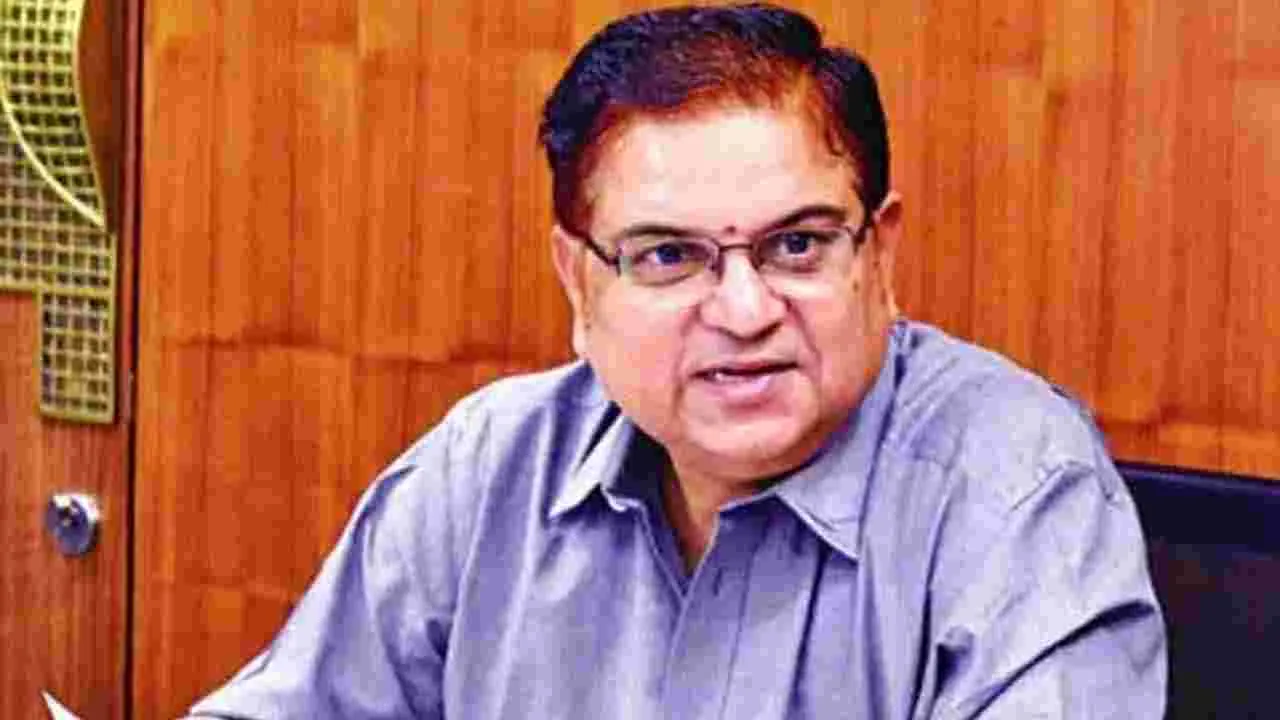
For the candidates, the deadline is the boundary between participation and exclusion. For the voters, the deadline dictates the field of choices they will eventually face at the polls. Currently, the SEC stands at the center of this storm, tasked with translating the granular complaints of seven districts into a singular, decisive action that will either maintain the course or pivot the entire electoral timeline.

Janasena & BJP Contested Seats Percentage 1) 2024 State Election: 17% Seats 2) 2026 Local Body Elections: Corporations: 30% Municipalities: 32% Buddhonodu Evadu Denni Mee Victory Ga Bhavinchadu Just Imagine The Seats @JanaSenaParty Demands For 2029 ! It’s A Huge Win For @PawanKalyan For Getting These 30% Seats From Your Party