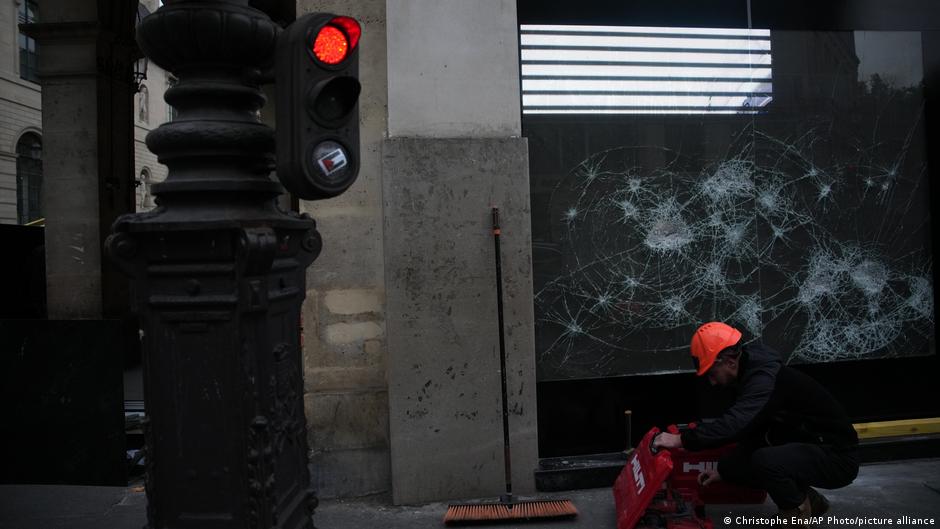
The streets of France, once the stage for celebrated civic expression, have become theaters of volatility. What began as a mounting frustration over soaring prices has rapidly evolved into a profound challenge to the state's ability to maintain civil peace. On October 19, 2026, the tension reached a breaking point. As protests over the cost of living turned violent, the French government was forced into a crisis meeting, a moment where the stability of the Republic sat on a knife's edge.
The catalyst for this sudden descent into chaos was economic. As prices climbed, so did the temperature of public discourse. The resulting demonstrations were not merely marches of dissent; they were eruptions of anger that spilled into the streets, leaving a trail of disorder in their wake. The violence of these initial clashes left a heavy toll on the front lines of law enforcement, with 1,000 members of the security forces injured during the fray. It was a staggering number that signaled the intensity of the confrontation between the citizenry and the state.

🚨 FRANCE IMPOSES CURFEW IN PARTS OF CENTRAL PARIS AFTER DAYS OF UNREST French authorities are imposing an overnight curfew around Paris’s Place de la République and the Les Halles area following days of rioting and looting. The restrictions will run from 11 PM to 6 AM, according to BFMTV. Nice is also imposing a 9 PM curfew on minors in its city center. The measures come after some of France’s worst unrest in years, with thousands arrested and businesses looted or vandalized across the country. France is now turning to localized curfews in an effort to restore order.Nearly 2,400 people were arrested during the unrest and almost 1,000 police officers and gendarmes were injured, according to French authorities.
In a direct attempt to stem the tide of chaos, the government moved to reclaim the night. On that same day, October 19, 2026, authorities announced the implementation of limited curfews across several major cities, including the capital, Paris, and the coastal city of Nice. These measures, paired with a significant increase in police presence, were designed with a singular, urgent purpose: to restore public order and protect both public spaces and the businesses that form the lifeblood of these urban centers. By restricting movement during certain hours, the state sought to create a buffer against the unpredictable surges of unrest.
This resurgence suggested that the curfews and the increased police presence had not extinguished the underlying grievances that fueled the initial protests.
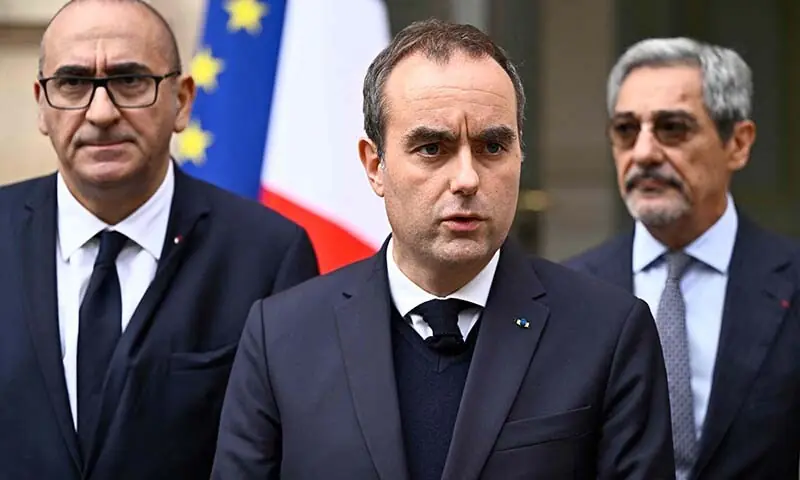
The government’s stance has been one of firm resolve, even as it faces the inevitable criticism that accompanies such restrictive measures. The objective is not merely to suppress, but to ensure public safety and prevent further civil unrest from fracturing the social fabric. Sebastien Lecornu, a key figure in the government's response, articulated this mission with singular focus, stating, "I’m absolutely determined to restore public order."

BREAKING: Curfew after 10 pm declared in certain parts of central Paris. Curfews also declared in Nice and several towns in northern France. It’s the third time a curfew is introduced in parts of Paris due to migrant riots following previous incidents in 2023 and 2005. https://t.co/ZugjPazEiu
However, the state's efforts to stabilize the country met a renewed challenge just days later. On October 24, 2026, the Yellow Vest movement—a group known for its fierce critique of the government and its ability to mobilize mass dissent—called for new demonstrations. This resurgence suggested that the curfews and the increased police presence had not extinguished the underlying grievances that fueled the initial protests. The movement’s return to the streets served as a reminder that economic anxiety is a difficult fire to douse with administrative decrees alone.
The scale of the confrontation is perhaps best measured by the sheer volume of legal intervention required to manage the crowds. As the cycle of protest and response continued, the authorities reported that 2,500 people had been arrested. These arrests represent a massive mobilization of the judicial and law enforcement apparatus, a sign that the government views the current wave of unrest not as isolated incidents, but as a systemic threat to the rule of law.

"CURFEW IMPOSED TO STOP FRANCE RIOTS AS UNREST GRIPS EUROPE" - @Independent Partial curfews have been imposed in the Paris, Lille, and Nice areas of France following widespread riots and looting over the rising cost of living. #TheIndependent #TomorrowsPapersToday
While the focus remains on the streets of Paris and Nice, the situation in France is not an isolated phenomenon. The government’s struggle to balance civil liberties with public security mirrors a broader trend seen across other European countries, where similar demonstrations have emerged. The friction between rising living costs and state authority is a tension felt across borders, making the French response a critical bellwether for the stability of the region.
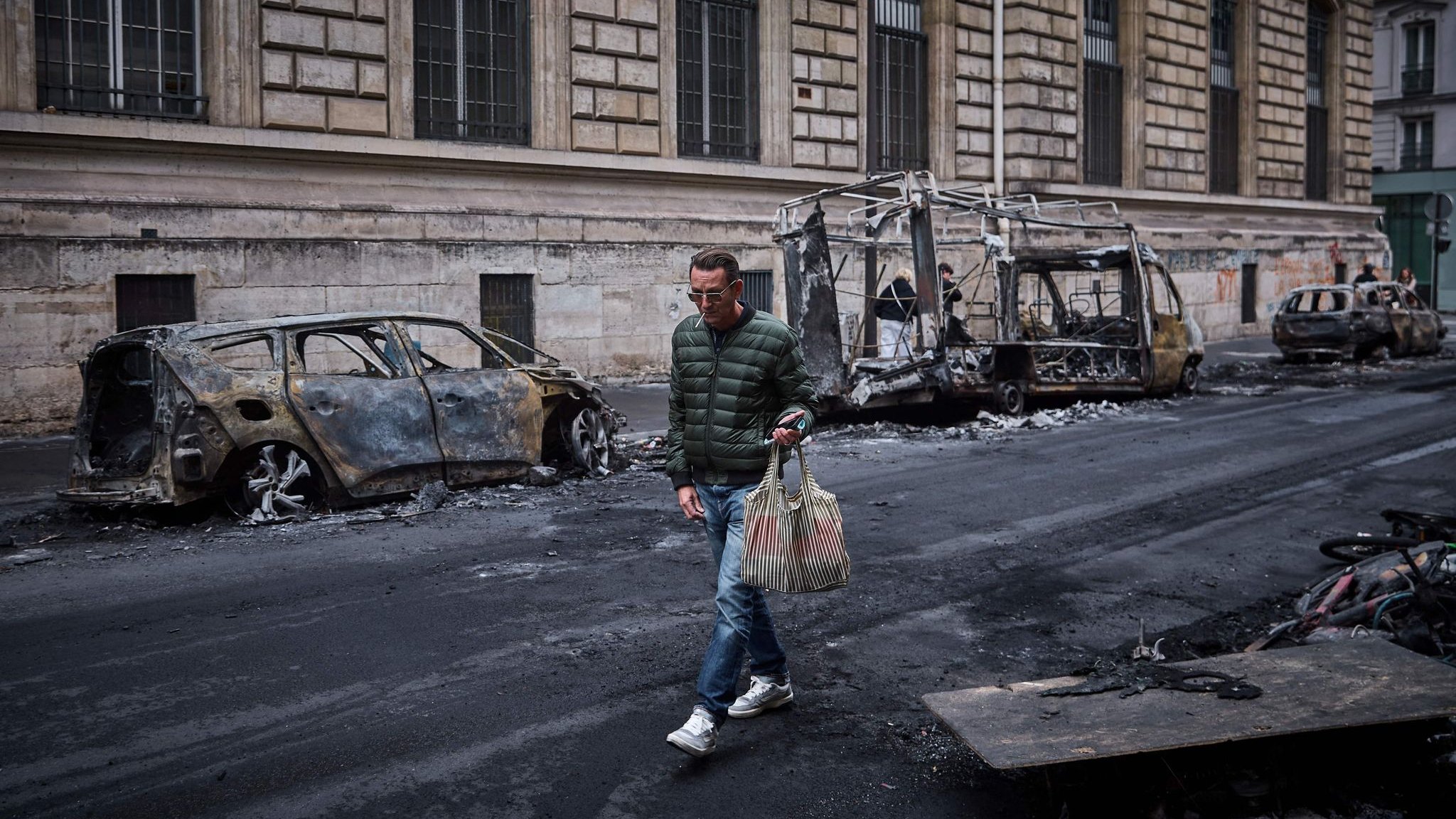
As the government continues to navigate this crisis, the specter of further restrictions looms. President Macron has issued a stern warning to those participating in the unrest: if the current trajectory continues, demonstrations may be banned entirely if it becomes necessary to maintain control. For now, the nation remains in a state of guarded tension, caught between the demand for economic relief and the state's mandate to keep the peace.