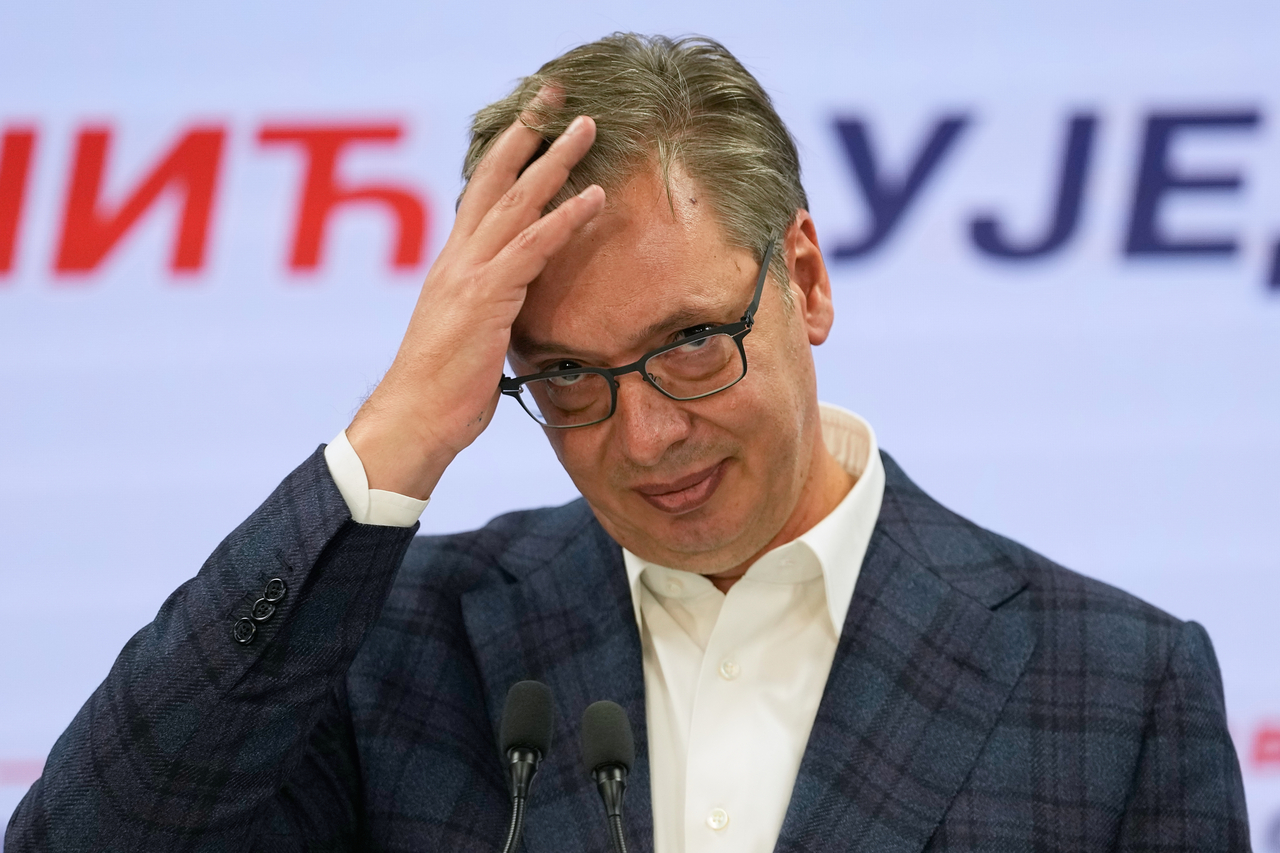
For 14 years, the political life of Serbia was defined by the towering presence of Aleksandar Vucic. Ruling with absolute power, the long-serving populist President and his Serbian Progressive Party seemed an immovable fixture of the nation's landscape. Yet history turned on a Sunday in October 2026, when Vucic did what once felt unthinkable: he conceded defeat.
It was a seismic political shift for the Balkan nation of 6.4 million voters. Standing before the public, Vucic made the reality official. "It is now clear that we have lost and the Students’ List has won," he acknowledged, bringing an abrupt end to an era of dominance that had stretched back to 2014.
The roots of this stunning upset lay in profound national grief and anger. The crisis had been forged earlier, following a tragic train station canopy collapse in Novi Sad that claimed 16 lives. That devastating structural failure acted as a catalyst, exposing systemic rot and igniting months of fierce anti-corruption demonstrations across the country.
7 million votes, but it was dwarfed by the youth-backed movement, which he stated took around 2.
Faced with mounting pressure from the streets, Vucic called snap elections on September 1, 2025. What followed was a high-turnout parliamentary contest that pitted the entrenched right-wing establishment against a fresh, diverse student-led opposition movement known as the Students’ List.

In one day, two politicians - Bolsonaro in Brazil and Vucic in Serbia - with ties to Trump and his family have lost surprise elections, thanks to high turnout. The rise of the international far-right is not inevitable.
When the votes were tallied from the snap election held on October 25, 2026, the scale of the regime's defeat became starkly apparent. In the 250-member parliament, Vucic’s Serbian Progressive Party projected winning around 105 seats. By contrast, the youthful upstarts of the Students’ List secured a projected majority of between 135 and 140 seats.
The raw numbers reflected a massive mobilization of the electorate. Vucic noted that his own SNS party had won around 1.7 million votes, but it was dwarfed by the youth-backed movement, which he stated took around 2.2 million votes.
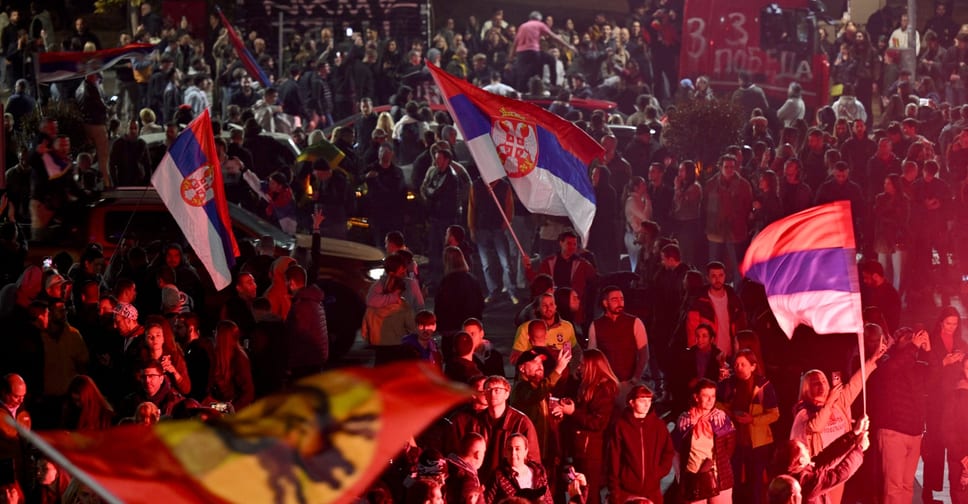
As the election results solidified, the atmosphere across the capital transformed. Crowds flooded the streets of Belgrade and other cities in wild celebration, reveling in an unprecedented political shift.
In the jubilation, ordinary citizens captured the emotional weight of the moment. "Everyone greets with smiles," observed Dragana Kovacevic, adding, "we are all too happy, finally we are becoming one normal and free country."
For the movement's leaders, the victory transcended mere arithmetic. Radomir Sajcic captured the spirit of the historic night for the gathered masses, declaring, "Dear Serbia, tonight the voice of the people is being heard," and emphasizing that "tonight is not just about results."
Even in defeat, the departing leader sought to cast a cloud over the opposition's triumph. Vucic alleged that foreign assistance had contributed to the Student List’s victory, though he offered no evidence to substantiate the claim.
This rhetoric echoed the broader geopolitical alignments of his 14-year rule, during which he had maintained close ties, including backing from Russian President Vladimir Putin. Yet the appeals to outside interference failed to blunt the domestic reality of a population demanding a new path forward.
The shockwaves of the election instantly rippled outward, drawing swift reactions from international leaders watching the Balkans. Among them, Ursula von der Leyen responded to the historic breakthrough with an eye toward the future, stating, "We stand ready to...work together to advance Serbia's future in the European Union."
With the final votes counted and the strongman's grip broken, Serbia stands at a historic crossroads. The student movement that began in the shadow of a fallen concrete canopy has successfully rewritten the nation's political playbook, trading an era of one-man dominance for the uncertain, hopeful promise of a democratic transition.

Bravo the students movement from Serbia @democraticfr @SarahBireete @MathiasMpuuga