
In the United States, federal agents took action with international implications. The arrest represented a critical development in the pursuit of the fugitive.
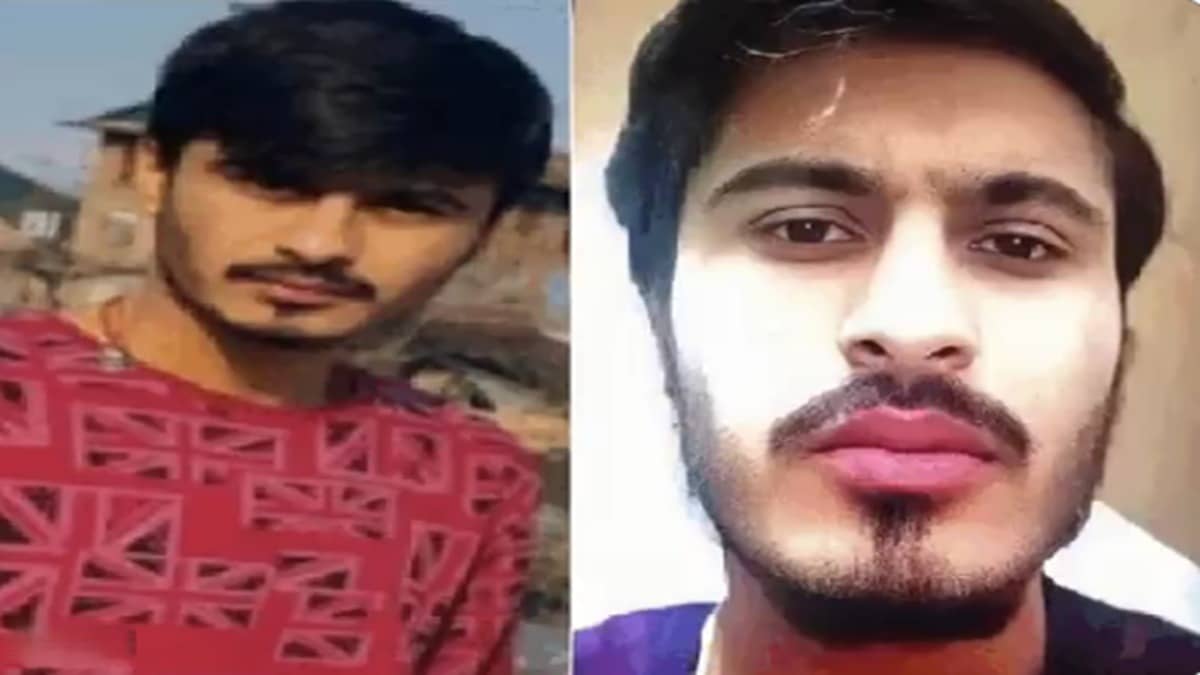
Himanshu Bhau, also known as Himanshu Srivastava, had built a formidable reputation in India's criminal underworld. Authorities in Haryana had registered 50 criminal cases against him, ranging from murder and attempted murder to extortion. His name had become particularly notorious following high-profile incidents including the Burger King killing and the firing at Elvish Yadav's residence. These brazen acts of violence had instilled fear in communities and challenged the authority of law enforcement across the region.

Himanshu Bhau, Haryana-based gangster involved in shooting outside Elvish Yadav's house arrested in US. https://t.co/aISf3OjM8f
The pursuit of Bhau intensified when Interpol issued a Red Notice against him on August 1, 2023. This international alert, essentially a global wanted notice, signaled to member countries that Bhau was wanted for prosecution or to serve a sentence. The Red Notice system represents one of the most powerful tools in international law enforcement, facilitating cooperation across borders in tracking down fugitives. For Bhau, this notice marked the beginning of the end of his ability to move freely across jurisdictions.
The FBI's intervention demonstrated cooperation between American and Indian law enforcement agencies in combating transnational crime.
Bhau was arrested in the US by the FBI. The FBI's intervention demonstrated cooperation between American and Indian law enforcement agencies in combating transnational crime. His detention represents a victory for international justice efforts.
Following his arrest, Bhau now faces a complex legal process that could ultimately lead to his return to India. While detention paves the way for potential extradition, deportation is not confirmed. The United States and India are connected through this ongoing case.
The arrest of Bhau reflects broader trends in international law enforcement cooperation. American authorities have positioned themselves as partners in global security efforts, particularly when fugitives sought by other nations are found on US soil. Similarly, Indian law enforcement has welcomed such cooperation, recognizing the challenges of pursuing fugitives who exploit international borders.
As Bhau awaits the next steps in his legal journey, questions remain about the broader implications of his capture. For the communities in Haryana that lived under the shadow of his criminal enterprises, the arrest offers a measure of relief. Yet the case also serves as a reminder of the evolving nature of organized crime and the increasingly sophisticated methods required to combat it. The final chapter in Bhau's story has yet to be written, but his apprehension in the United States marks a significant turning point in a transnational saga that has spanned years and continents.