
For the 151 passengers and six crew members aboard the Aer Lingus Airbus A320 flight from Dublin to Rome on November 5, 2026, the journey began with the mundane rhythm of modern travel. But as the aircraft traversed the skies, the atmosphere shifted from routine to harrowing. A security alert, sharp and sudden, pierced the cabin’s calm, forcing the pilots to abandon their flight path. The destination was no longer the Italian capital, but the Évreux airbase in France. For those on board, the reality of the situation became impossible to ignore when the windows revealed a chilling sight: a French Rafale fighter jet, flying in close formation as an escort. Nicola Timpone, one of the passengers, later recalled the mounting dread as the truth dawned on them. "When they told us the plane had to land at a French airport due to technical problems, at a certain point we saw military jets alongside the plane, and that was when we started to think that something was not going in the right direction," Timpone said. The fear of a bomb threat had transformed a standard commute into a high-stakes security operation.
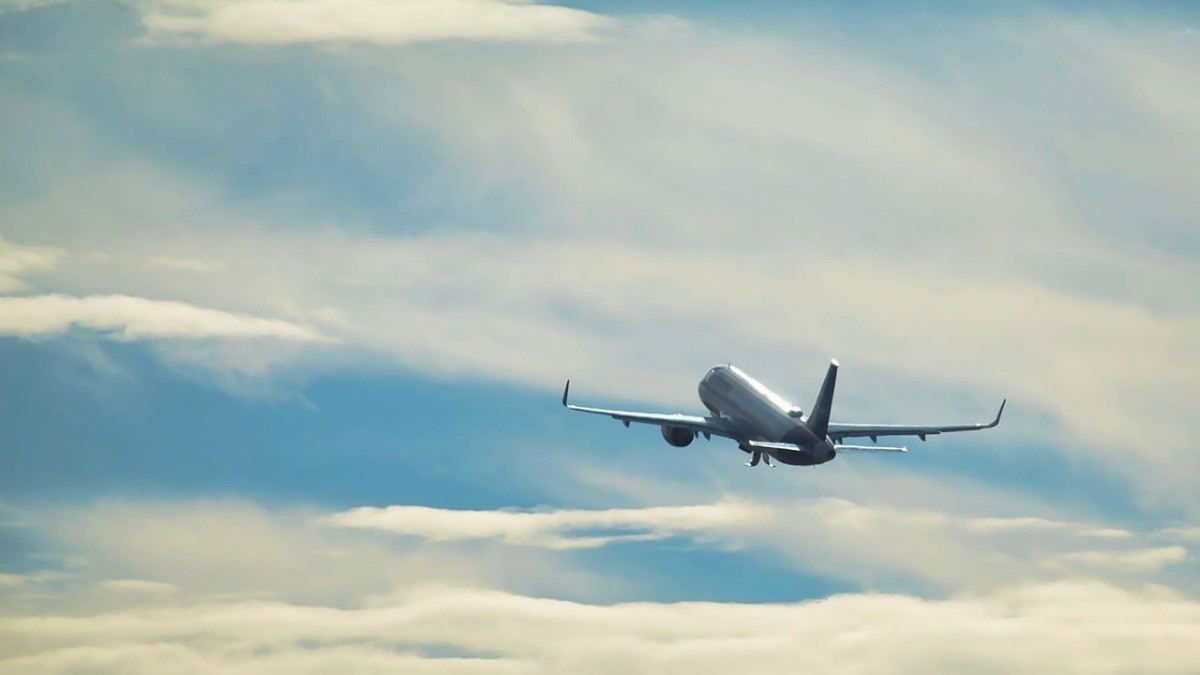
The diversion to Évreux was not an isolated anomaly. Across Europe, the skies were gripped by a coordinated wave of disruption. On that same day, November 5, 2026, multiple commercial flights operated by major carriers—including Finnair, LOT Polish Airlines, and Wizz Air—were forced into emergency landings or diversions. From Rome’s Fiumicino to Brussels’ Zaventem and Bucharest’s Henri Coanda, airports became staging grounds for intensive security inspections. In one instance, 200 passengers were evacuated from a Wizz Air flight as authorities scrambled to clear the aircraft. This chaos followed a pattern established just two days prior, when seven other aircraft had faced similar threats, suggesting a deliberate campaign to destabilize European air travel.
The nature of these alerts has left security services grappling with a volatile mix of digital intimidation and physical risk. Reports indicate that the threats were linked to an anonymous group calling itself 'combattenti dello Stato Maschile'—the 'Male State Fighters.' The messages left behind were chilling in their directness, claiming, "Siete tutti complici di un complotto criminale - si legge nel testo - Vogliamo annientarvi per questo," or "You are all accomplices to a criminal conspiracy. We want to annihilate you for this." While these words were designed to sow terror, the physical reality remained a frantic search for explosives that, fortunately, yielded nothing. Every plane was cleared, and every passenger, including the 151 people on the Aer Lingus flight, was eventually evacuated safely.
Reports indicate that the threats were linked to an anonymous group calling itself 'combattenti dello Stato Maschile'—the 'Male State Fighters.
Beyond the immediate panic of the passengers, European officials are looking at a much broader, darker picture. The scale and coordination of these incidents have prompted investigators to look past the anonymous group and toward the possibility of state-sponsored hybrid warfare. There is growing concern that these disruptions are not merely the work of isolated extremists, but part of a larger strategy of sabotage linked to Russia and Iran. While no group has officially claimed responsibility for the broader campaign, the timing and the widespread nature of the threats have forced governments to treat these events as a potential front in a modern, invisible conflict. As the investigations continue, the incident at Évreux serves as a stark reminder of how easily the thin veneer of civilian safety can be punctured by the shifting tides of international tension.