Following the breakdown of negotiations with the Secretaría de Estado de Seguridad, representatives of the Policía Nacional and Guardia Civil encircled the Ministry of Interior in Madrid. This encierro, a traditional form of protest in Spain, was a show of unity and a clear message to the government.
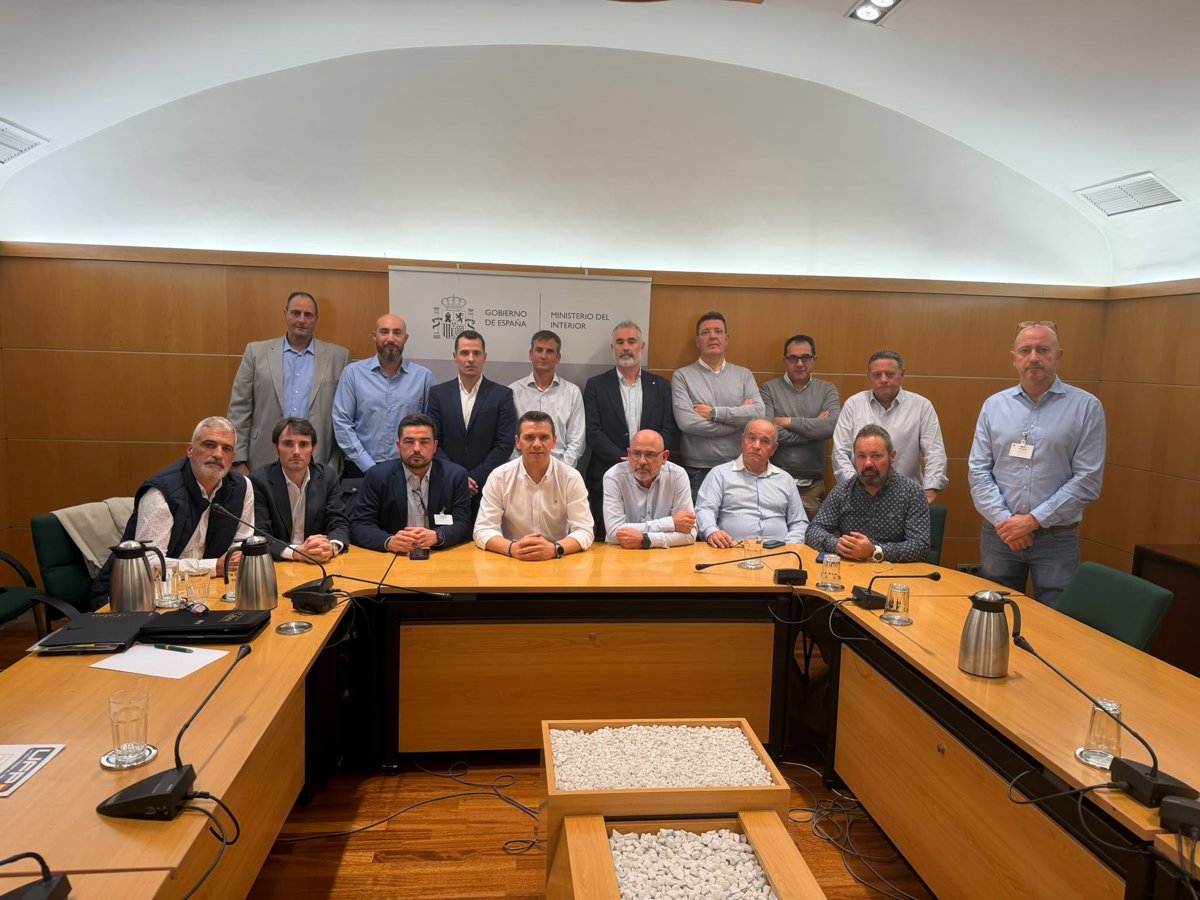
The encierro was part of a broader, long-term struggle for better working conditions and recognition. For years, these law enforcement officers have been fighting for acknowledgment of their high-risk profession, which includes everything from terrorism and organized crime to natural disasters and public order. The unions have been pushing for better pay, safer working conditions, and, most importantly, a retirement package that reflects the sacrifices they make daily.
The encirclement of the Interior Ministry was not the first step in this struggle. In fact, it was the culmination of months of negotiations with the Secretaría de Estado de Seguridad. These talks, which had been ongoing since the beginning of the year, were aimed at securing a fair retirement package for the officers. However, the negotiations hit a wall when the secretariat of state of security informed the unions that the talks were over due to the upcoming general elections. This news came as a shock to the unions, who had been working in good faith to find a solution.
They hoped that by uniting in this manner, they could draw attention to their cause and put pressure on the government to reconsider its stance.
The encirclement of the Interior Ministry was just the beginning. The unions called for support from other law enforcement agencies in Madrid and beyond. They hoped that by uniting in this manner, they could draw attention to their cause and put pressure on the government to reconsider its stance. The encirclement was a powerful symbol of the unity and determination of these officers, who have long been underappreciated and underpaid.
The government of Prime Minister Pedro Sánchez, while neutral in its stance, found itself in a difficult position. The encirclement was a clear indication that the unions were not backing down, and the government had to respond. However, the prime minister’s office remained tight-lipped, likely to avoid inflaming the situation and to maintain a facade of neutrality. The government’s response was crucial, as it would set the tone for future negotiations and could potentially influence the outcome of the encirclement.
The encirclement of the Interior Ministry marked a turning point in the struggle for better retirement benefits for the Policía Nacional and Guardia Civil. While the immediate future remains uncertain, the unions are determined to continue their fight. The encirclement has brought the issue to the forefront of public and political discourse, and it is likely that the government will have to address the concerns of these law enforcement officers sooner rather than later. The fate of their retirement plans is now in the balance, and the eyes of Spain are on the government to find a solution that honors the service and sacrifices of these brave men and women.