
In the rhythmic cycle of the Indian calendar, there are moments that transcend simple celebration, moving instead into the realm of collective spiritual realignment. Vijayadashami is one such moment. It is a day defined by a singular, ancient truth: the triumph of righteousness over unrighteousness, of good over evil, and of light over the encroaching shadows of darkness. As the festival unfolded on October 20, 2026, this theme of moral victory became the centerpiece of a national conversation led by the country's highest offices.
For many, the festival is more than a historical commemoration; it is a psychological reset. It serves as a reminder that while chaos and injustice may appear pervasive, the fundamental order of the world—often referred to as Dharma—is designed to prevail. This year, as the festivities took hold, the messaging from the leadership focused heavily on this concept of 'Dharma' as a guiding principle for both the individual soul and the nation at large.
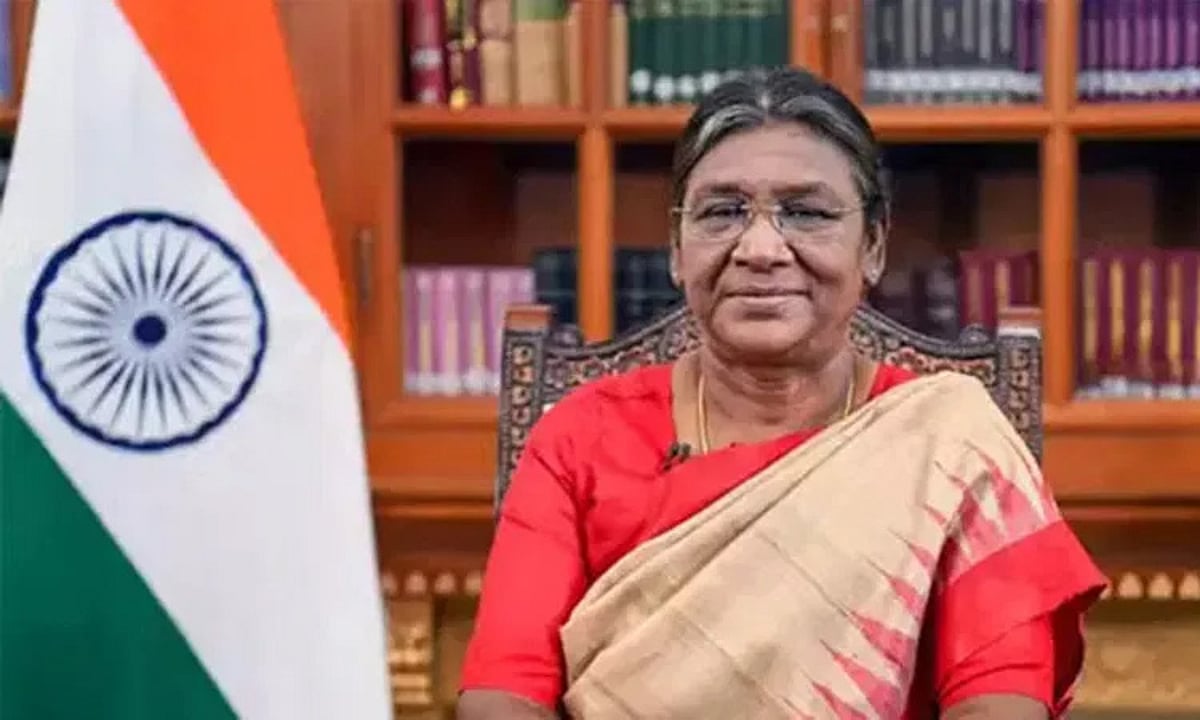
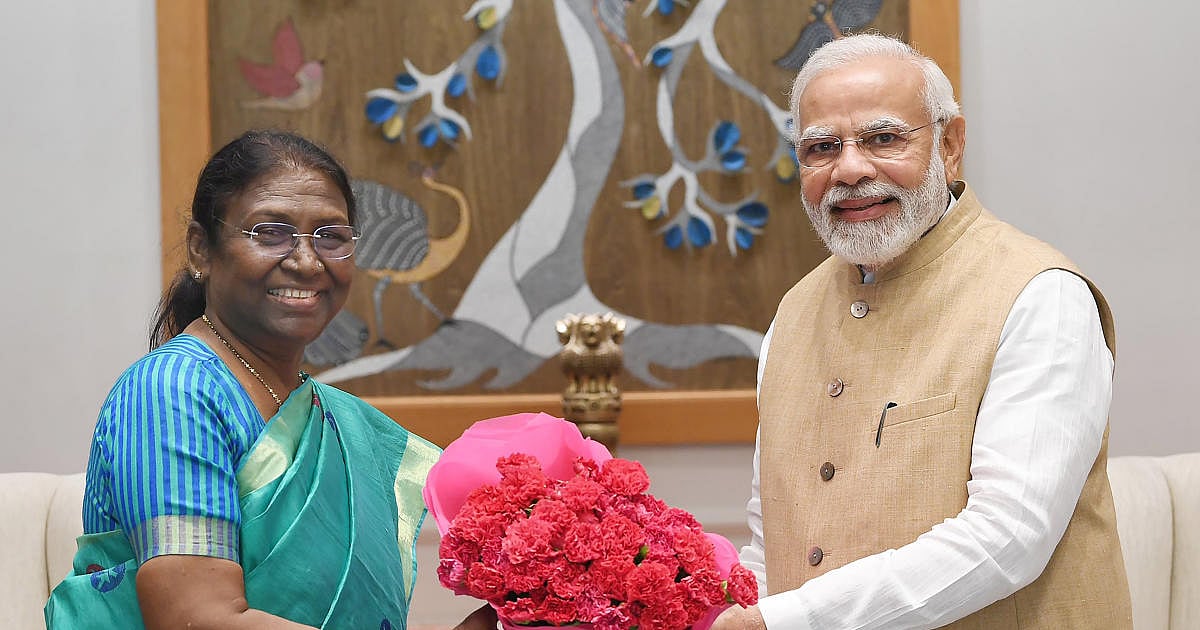
On October 20, 2026, the formal greetings of the state arrived to mark the occasion. Prime Minister Narendra Modi and President Droupadi Murmu both reached out to the citizenry, bridging the gap between ancient tradition and modern governance. The Prime Minister’s message was one of personal empowerment through spiritual strength. He framed the day not just as a holiday, but as a source of renewed energy for the individual's internal battles.
The celebration of victory was not limited to the mythological past; it was applied to the contemporary achievements of the Indian state.
"Wishing you all a very happy Vijayadashami," the Prime Minister stated, emphasizing the psychological weight of the day. "May this triumphant festival of joy and faith give renewed strength to everyone's resolve. May everyone's life be enriched with happiness, good fortune, and success, this is my wish."
President Murmu’s outreach was similarly expansive, acknowledging the vastness of the Indian diaspora. Her greetings were not confined to the borders of the subcontinent but were extended to all Indians living abroad, reinforcing a sense of shared identity that persists regardless of geography. Her message underscored the festival's role in maintaining a connection to cultural roots, even as the nation moves forward into an increasingly globalized era.
While the festival is rooted in the metaphysical, the leadership used the occasion to ground these values in the tangible progress of the nation. The celebration of victory was not limited to the mythological past; it was applied to the contemporary achievements of the Indian state. The messages highlighted a nation in motion, noting the significant strides made across various sectors of society.
This progress is seen in the expansion of agriculture, the scaling of industry, the modernization of transportation, and the rapid evolution of technology. These are not merely economic indicators; in the context of Vijayadashami, they are presented as symbols of national advancement—the practical manifestation of a society overcoming obstacles to achieve stability and prosperity. The ability to build infrastructure and innovate technologically is framed as a modern form of triumph, a way of manifesting the spirit of victory through collective effort.
Beyond the individual and the industrial, there is a profound social dimension to the festival. The leadership emphasized that the victory of good over evil must translate into the creation of a more cohesive society. The messages highlighted the social and cultural importance of Vijayadashami, noting its capacity to foster a progressive India. The goal, as articulated through these high-level greetings, is to use the values of the festival to build an inclusive and developed nation.
This inclusivity is the modern application of Dharma. It suggests that a truly successful nation is one where prosperity is not isolated but is shared, and where the moral values of the past are used to build the social structures of the future. The call is to uphold moral values not as static relics, but as active tools for nation-building, ensuring that as India grows, it does so with a conscience that prioritizes the well-being of all its citizens.

Prime Minister Narendra Modi hails the annual Vijayadashami address delivered by RSS Sarsanghchalak Dr. Mohan Bhagwat in Nagpur during the organization's Shatabdi Varsh (Centenary Year) Shri Vijayadashami Utsav. Taking to X, PM Modi wrote, "A very motivating address by Param Pujya Sarsanghchalak Dr. Mohan Bhagwat Ji during the Shatabdi Varsh Shri Vijayadashami Utsav in Nagpur. He has spoken at length on a wide range of issues, including national progress and social unity, the need for self-reliance ,and to strengthen the character of society. Particularly noteworthy was his emphasis on the commitment to Seva and nnation-buildingthat is integral to every RSS Swayamsevak. He also spoke about the Panch Parivartan and how these can contribute meaningfully to positive social change."
As the celebrations of October 20, 2026, continue, the underlying sentiment remains one of hope and determination. The festival serves as a call to action for every citizen to find their own 'resolve'—that internal commitment to righteousness that mirrors the cosmic victory celebrated on this day. The Prime Minister’s words echoed this, suggesting that the joy and faith inherent in Vijayadashami should provide the fuel for the long-term tasks of nationhood.
By linking the ancient concept of the triumph of good over evil to the modern pursuit of happiness, prosperity, and technological success, the leadership has attempted to weave the spiritual fabric of India into its developmental ambitions. The festival stands as a bridge: between the mythological past and the technological future, and between the individual's moral journey and the nation's collective ascent.