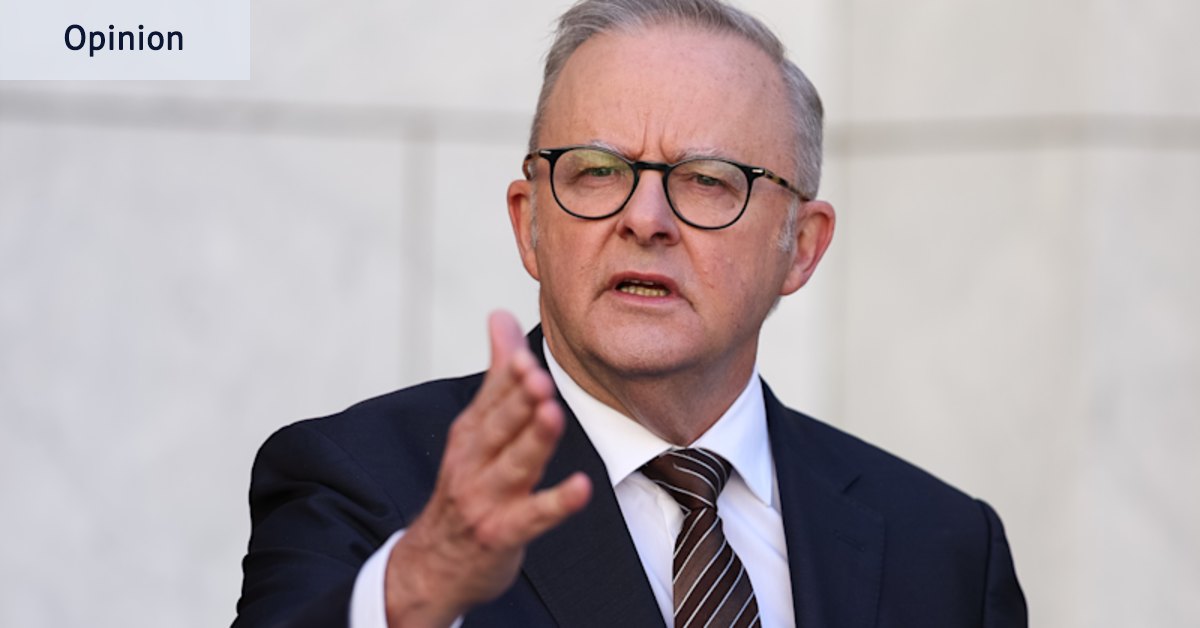
Imagine trying to quiet a noisy room by slamming the door. It might stop the noise, but it will also rattle the windows and wake the neighbors. That is the metaphor Prime Minister Anthony Albanese uses to describe the Reserve Bank of Australia’s (RBA) primary tool for fighting inflation: interest rates.
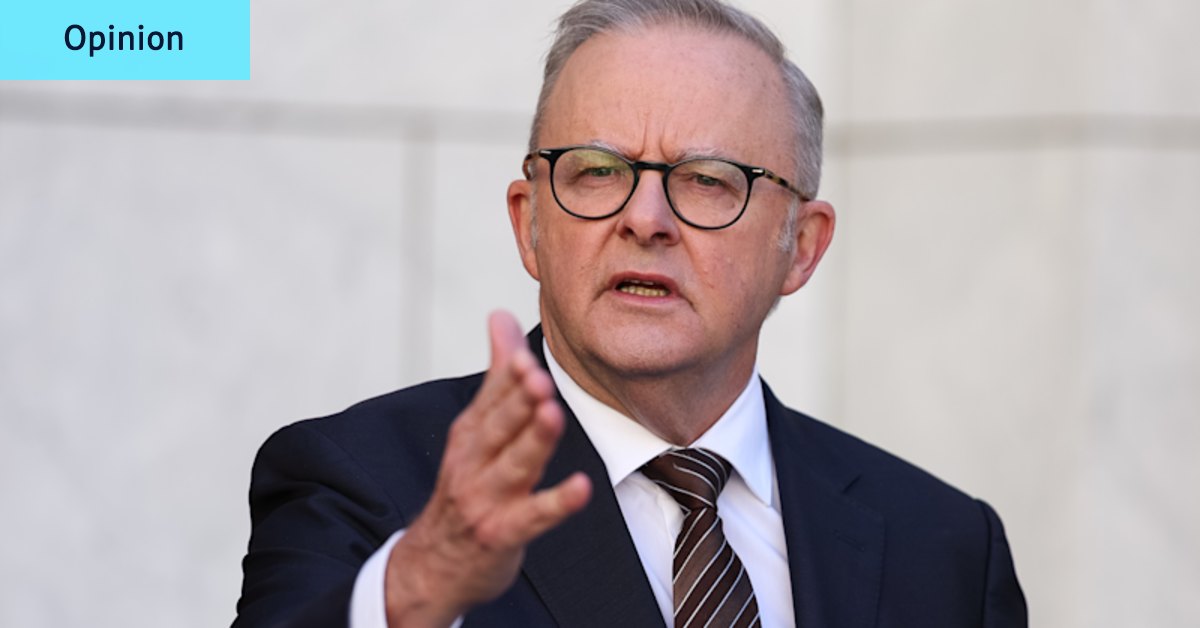
For months, the RBA has been slamming that door. It has already hiked rates four times this year, and the central bank is poised to do it again soon. The goal is to bring price growth back to the RBA’s target band of 2-3%, a range considered healthy for a stable economy. But as the RBA prepares to lift the official cash rate to an 18-year high, the government is arguing that this method is too blunt, disproportionately hurting the very people it is meant to protect.
"Interest rates are a 'blunt instrument' causing pain to mortgage holders," Albanese has said, highlighting the immediate human cost of the central bank’s actions. For homeowners with variable-rate mortgages, a rate hike doesn’t just mean a higher bill; it means less money for groceries, travel, and other essentials, effectively squeezing the household budgets that power the economy.
The RBA is trying to slow the economy down by making borrowing more expensive, while the government is trying to keep it afloat by spending more than it takes in.
While the RBA tightens the screws on spending, the federal government is doing the opposite. It is adding fuel to the fire by running persistent budget deficits. Last year, the federal budget deficit reached $22.5 billion, a figure projected to exceed $30 billion for the next two financial years.
This is not a new issue. State governments, including New South Wales, have been running budget deficits for several years, injecting money into the economy. In a normal environment, this can stimulate growth, but in an economy already facing capacity constraints, it adds to the demand the RBA is trying to cool.
The inflation challenge is not just domestic. It is being exacerbated by global forces, and the Treasurer, Jim Chalmers, acknowledges this reality. He points to the ongoing conflict in the Middle East as a major factor, noting that "war in the Middle East is making [inflation] worse."
Higher fuel costs, a direct result of geopolitical instability, are feeding into broader price pressures. This means the RBA is fighting a two-front war: one against domestic demand, and another against external shocks that are pushing up the cost of living regardless of what the central bank does.
The result is a collision of opposing fiscal policies. The RBA is trying to slow the economy down by making borrowing more expensive, while the government is trying to keep it afloat by spending more than it takes in. This creates prolonged economic strain, as the two arms of government pull in opposite directions.
The RBA’s job is to fight inflation, but the government’s job is to manage the economy. When these two goals diverge, the result is a difficult balancing act. The RBA’s decision to raise rates to an 18-year high is a clear signal that it is willing to endure the pain to achieve its target. However, the government’s continued deficits suggest it is not yet aligning its policies with the central bank’s efforts.
The path forward remains uncertain. The RBA’s next move will be closely watched, as will the government’s budget decisions. The question is whether the government can adjust its spending without stifling growth, or if the RBA’s rate hikes will be enough to bring inflation under control without causing a recession.
For now, the economy is caught in a bind. The RBA is tightening the screws, the government is adding fuel to the fire, and the global economy is adding pressure to the mix. The coming months will be critical in determining which force will ultimately prevail.