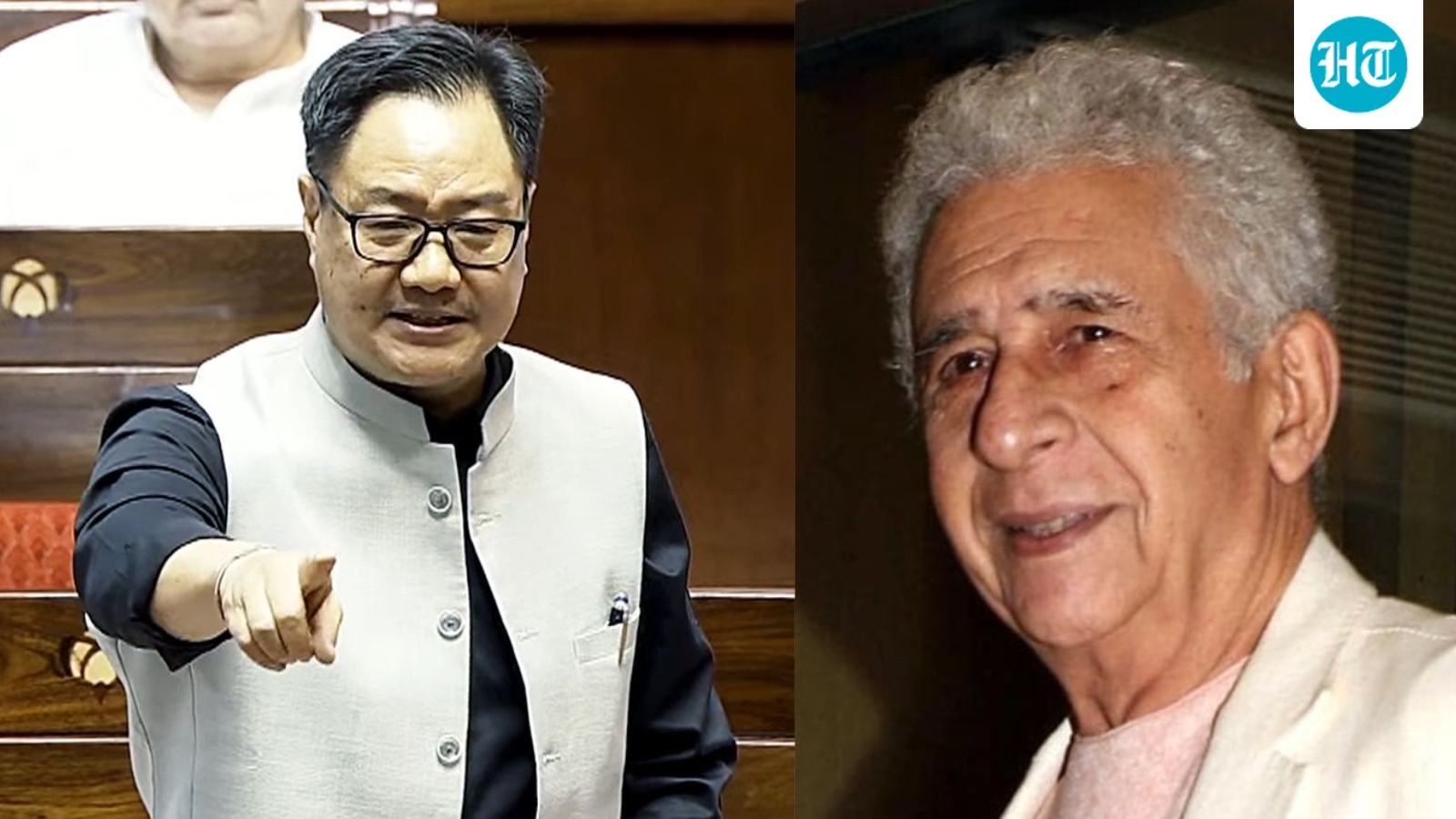
For most newcomers to Indian politics, the name Naseeruddin Shah conjures images of classic cinema, not parliamentary controversy. Yet on October 29, 2026 the 76‑year‑old actor found himself at the center of a heated political showdown. In a video that quickly circulated on social media, Shah proudly wore a pin labeled “Dimagi Naxal” and declared, “I say this with pride, I am dimagi naxal.” The statement was not a theatrical flourish; it was a direct endorsement of students protesting at Jamia Millia Islamia, a university that has become a flashpoint for debates over academic freedom.
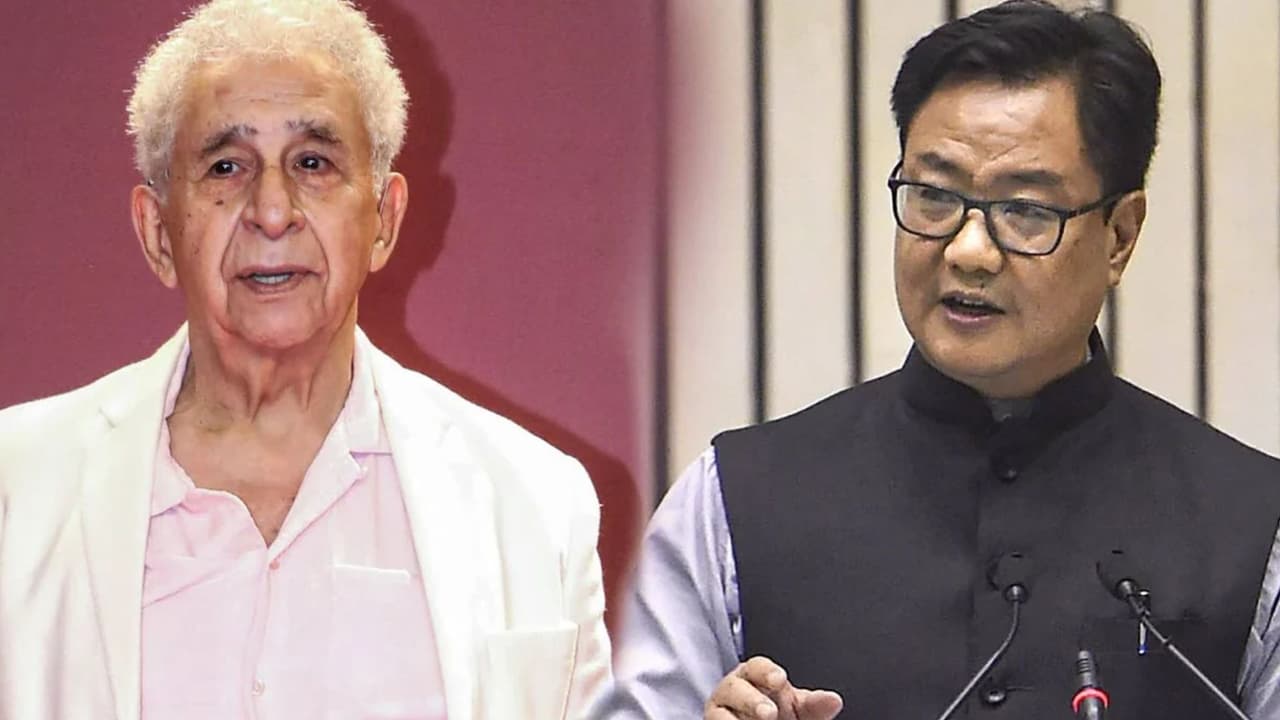
Shah’s video went beyond a simple show of solidarity. He accused the BJP‑led central government of “trying to destroy the education system and break the courage of the youth.” He linked the current unrest to a lineage of student movements, naming Jawaharlal Nehru University, the Satyajit Ray Film Institute, and finally Jamia Millia as sites where “the atrocities that are being done on students will be remembered.” By framing the protests as part of a historical continuum, Shah positioned himself as a defender of democratic dissent rather than a fringe agitator.
The term “Dimagi Naxal” blends two concepts familiar to Indian political discourse. “Naxal” refers to the far‑left insurgency that began in the 1960s, often invoked by the ruling Bharatiya Janata Party (BJP) to brand opponents as extremist. Adding “Dimagi,” which translates roughly to “mental” or “intellectual,” creates a new label that suggests a non‑violent, ideological opposition rather than an armed rebellion. By adopting the label, Shah signaled that his resistance was rooted in ideas and conscience, not in the violent tactics traditionally associated with Naxalites.
Shaina NC asked, “The question is whether Naseeruddin Shah is ACP Rathod or Gulam Hassan of ‘Sarfarosh’.
Union parliamentary minister Kiren Rijiju responded on the same day, posting on X: “I thought Naseeruddin Shah was just an ordinary actor. I used to respect & like him… I never knew that he was a dangerous urban Dimagi Naxal! I discovered his true character far too late. He is extremely detrimental to India's democracy.” Rijiju’s language framed Shah’s self‑identification as a direct threat to democratic stability, casting the actor as a “dangerous urban Dimagi Naxal” whose views were “extremely harmful” to the nation.

In a video posted on Facebook, a visibly angry Naseeruddin Shah came out in support of Jamia Millia Islamia students, who have been protesting for the restoration of the students' union, and called himself a "dimagi naxal". https://t.co/mIJ5TcHAe3
Rijiju’s condemnation was not merely personal; it tapped into a broader narrative the BJP has cultivated since coming to power. By labeling dissenters as “urban Naxals,” the party seeks to delegitimize protests that challenge its policies on education, youth empowerment, and national identity. In Rijiju’s view, Shah’s video crossed a line from artistic expression to political subversion, a line he believed required a forceful rebuke to protect democratic institutions.
Shaina NC asked, “The question is whether Naseeruddin Shah is ACP Rathod or Gulam Hassan of ‘Sarfarosh’. He talks about urban naxalism, supporting the tukde‑tukde gang, anti‑national movements. The question to you, sir, with utmost respect, is do you believe in pro‑India sloganeering or anti‑India.” Her rhetorical question framed Shah’s stance as a litmus test for loyalty, echoing the same language of “tukde‑tukde” (fragmentation) that Rijiju employed.

INTERESTING: my colleague @ashoupadhyay asked for details from Home Ministry on how many people/organisations had been identified as ‘Dimagi Naxals’ . Answer from Home ministry? NIL!😊 https://t.co/vfHSTd1Zao
The clash between Shah and Rijiju illustrates how cultural figures can become flashpoints in India’s ongoing contest over the meaning of democracy. While Shah’s video positioned him as a proud “Dimagi Naxal” defending student rights, Rijiju’s swift labeling of the actor as a danger to the nation underscores the government’s low tolerance for dissent that it perceives as undermining its authority. As of now, the conversation continues on social platforms, with supporters of the actor rallying around his declaration and critics echoing Rijiju’s warning that such rhetoric threatens the democratic fabric.
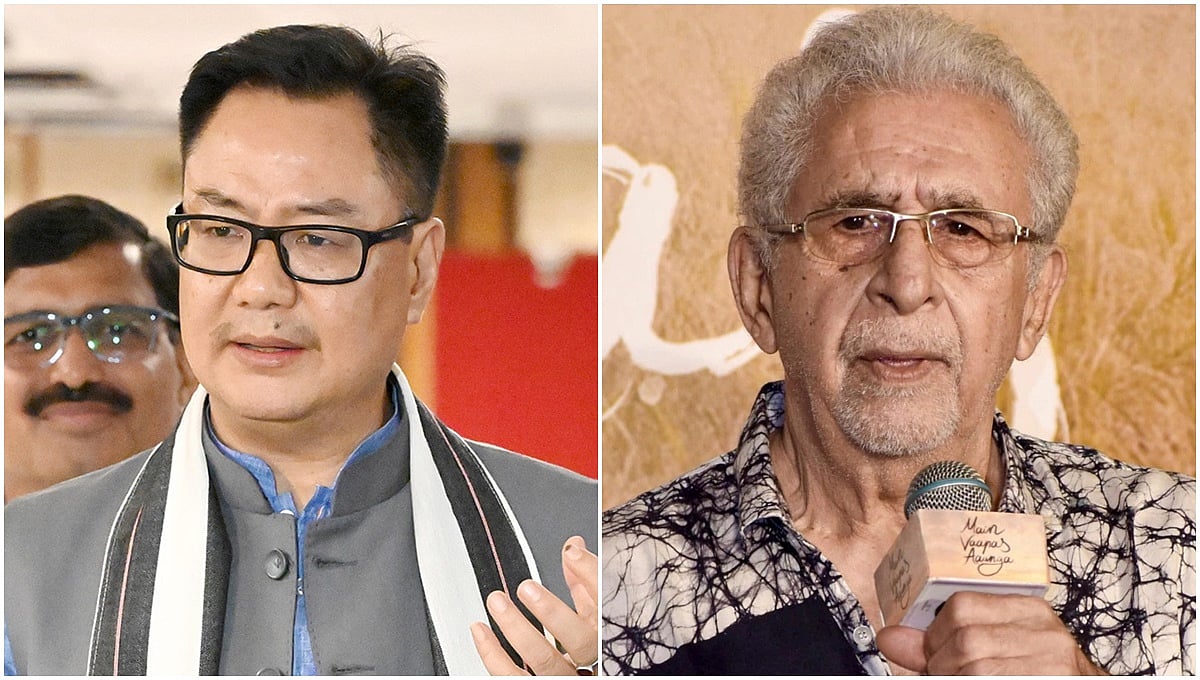
For a newcomer to Indian politics, the episode is a vivid case study of how language, symbolism, and personal reputation intersect in the public sphere. An actor’s self‑applied badge of “Dimagi Naxal” can trigger a minister’s accusation of endangering democracy, revealing the fragile balance between artistic freedom and political control. The story remains unfolding, and its reverberations will likely shape how future cultural dissent is framed and contested in the country’s democratic discourse.