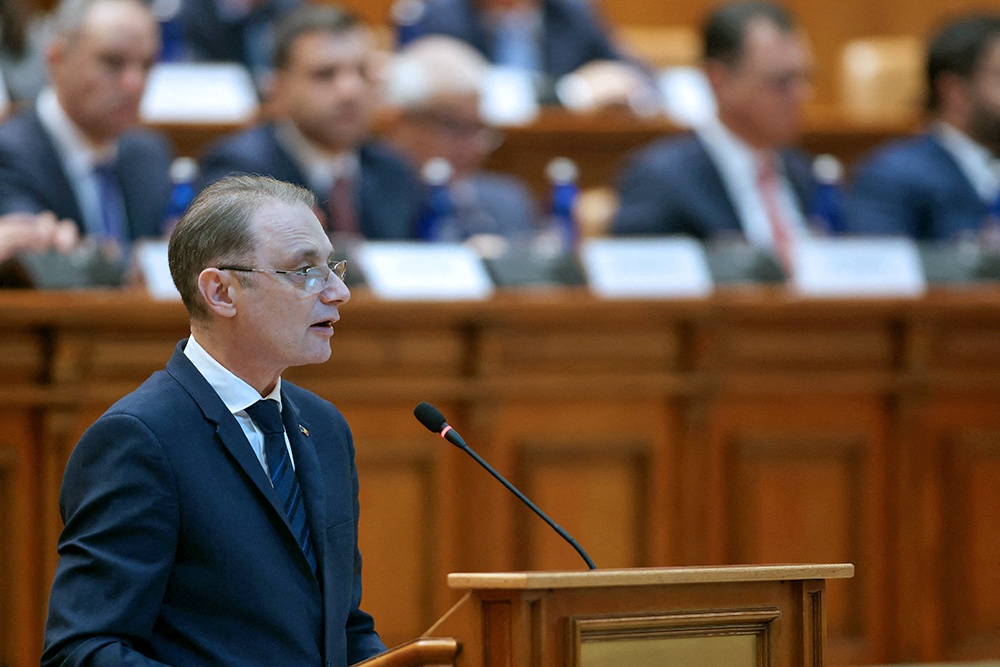
For five months, the halls of the Romanian parliament were defined by a singular, persistent failure: the inability to form a functioning government. What began as a routine exercise in democratic governance devolved into a period of stagnation that tested the country’s political institutions. The crisis trace its roots back to May, when the parliament delivered a decisive vote of no confidence against Ilie Bolojan. That act of political rejection triggered a cascade of instability, leaving the nation in a state of administrative limbo as three successive attempts to construct a new cabinet collapsed before they could gain traction.
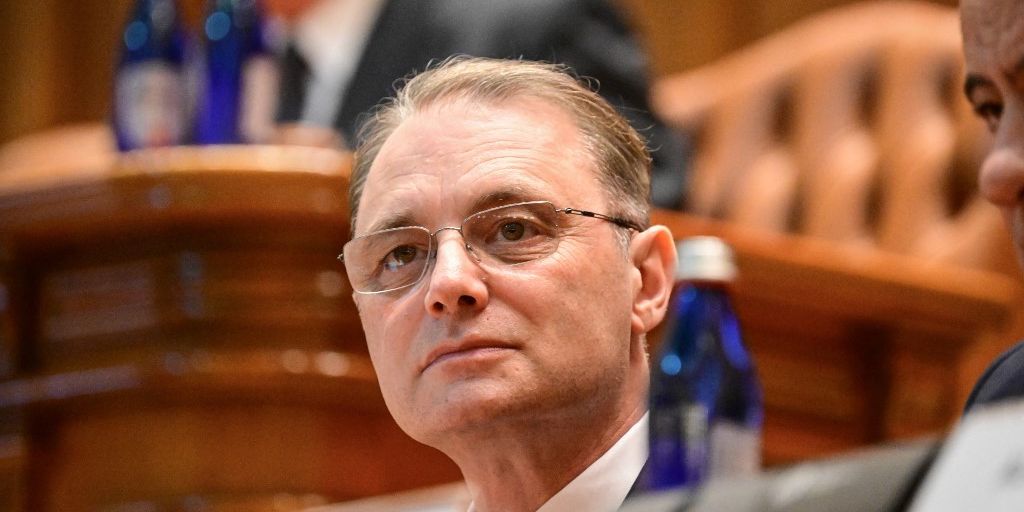
The turning point arrived on October 5, 2023, when President Nicusor Dan intervened to break the deadlock. He formally tasked Luca Minculescu with the arduous mission of assembling a government capable of commanding a legislative majority. Minculescu, stepping into a fractured political landscape, faced the daunting challenge of reconciling competing interests and securing the necessary support from a parliament that had grown accustomed to rejection.
To navigate the impasse, Minculescu looked toward a pragmatic alliance. The cabinet he ultimately proposed was a hybrid construction, blending the established political machinery of the Social Democratic Party with a contingent of technocrats—specialists brought in to manage specific portfolios based on expertise rather than party affiliation. This strategy was designed to broaden the appeal of the government, moving beyond traditional partisan lines to offer a cabinet that could theoretically address the country’s pressing needs with a focus on administrative continuity.
The stakes were clear: the government required 233 votes to achieve the threshold for approval.
On October 20, 2026, the long-awaited moment of truth arrived on the floor of the parliament. The stakes were clear: the government required 233 votes to achieve the threshold for approval. As the ballots were tallied, the result provided a clear, if not overwhelming, mandate. The proposed cabinet secured 280 votes in favor, comfortably clearing the required bar. While 58 deputies cast their votes against the new administration, the decisive majority ensured that the era of failed attempts had finally concluded.
Reflecting on the outcome, Romanian Radio reported the finality of the vote, noting that the candidates for ministerial positions proposed by Minculescu were supported by 280 deputies, with 233 votes required for approval. This numerical victory represents more than just a successful vote; it marks the restoration of a functioning executive branch after a period of intense volatility that had left the country’s leadership in question for nearly half a year.
With the parliamentary hurdle cleared, the transition to governance is now immediate. The newly confirmed cabinet is scheduled to take the oath of office before President Nicusor Dan, a formal step that serves as the final seal of legitimacy for the new administration. Following the ceremony, the ministers will move directly into their first official meeting, where the focus will shift from the mechanics of coalition-building to the practical realities of governing a nation that has spent the better part of five months waiting for a stable hand at the helm.