
On October 24, 2026 the Pakistani government announced a reduction in the price of LPG cylinders, a move that on paper seemed designed to ease the financial strain on families that depend on the fuel for daily cooking. The official figure set by authorities—279.34 rupee for each kilogram of LPG—was presented as a benchmark for retailers across the country. Yet the headline number, while lower than previous levels, still translated into a price tag that many consumers found hard to swallow.
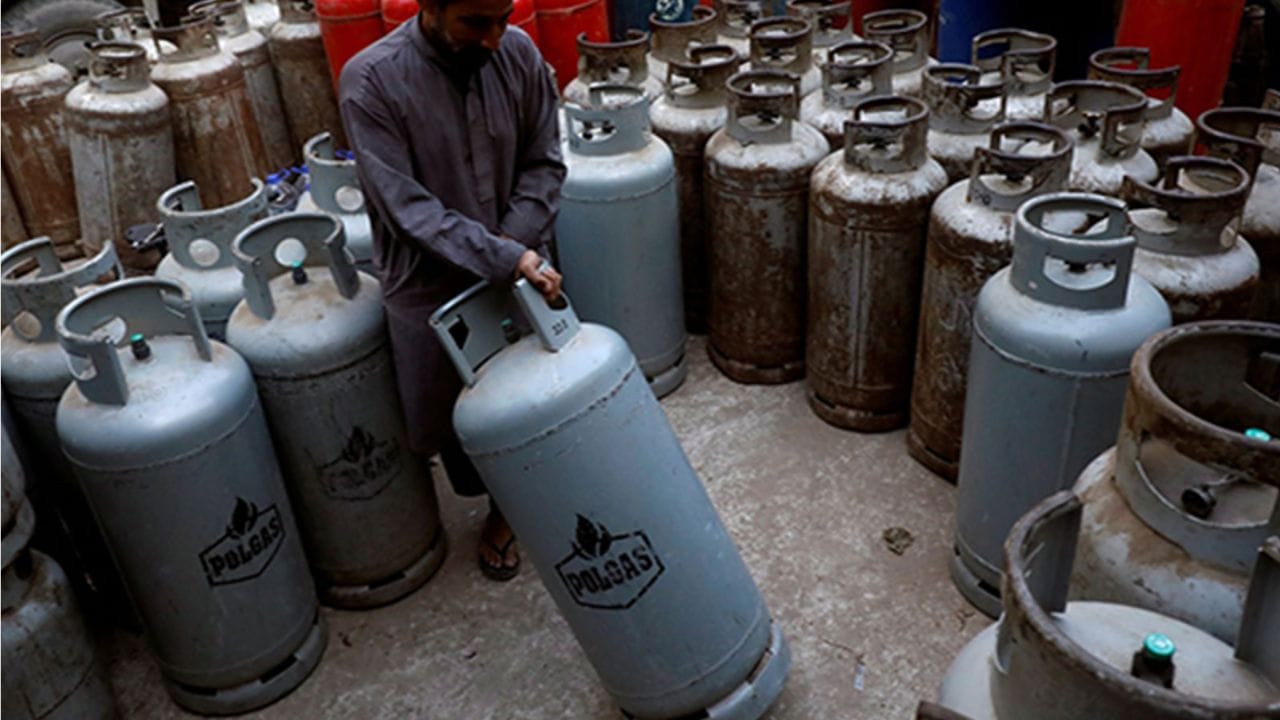
The reduction itself was quantified as a drop of roughly 10 thousand rupees per cylinder, a figure that initially suggested a meaningful reprieve for households. To understand why the reaction has been so fierce, it helps to remember that a typical household in Pakistan consumes several cylinders each month. Even a modest per‑kilogram price can quickly add up to a substantial monthly bill. When the authoritative price settles at 279.34 rupee per kilo, the total cost of a standard cylinder still hovers near the upper end of what many families can comfortably afford.

Pakistan closes 2 border crossings w/ Iran at the behest of US -> Iran can't export LPG to Pakistan -> The Price of a 12 kg LPG cylinder rises to 7,000 Pakistani rupees ($25) from 4,500 rupees ($16) within days & can possibly climb even higher. https://t.co/eJpIkQ2Gd2
The government's neutral stance—simply announcing the price cut without further comment—has done little to calm the growing unrest. In gas‑dependent regions, where LPG is the primary source of energy for cooking, the reduction was met not with applause but with criticism. Citizens took to the streets, voicing their discontent over what they perceive as a price hike in practice, despite the official reduction. The protests underscore a broader frustration: the gap between policy intentions and lived realities.
The protests underscore a broader frustration: the gap between policy intentions and lived realities.
LPG cylinders are more than a commodity; they are a lifeline for millions of Pakistani families. The fuel powers everything from simple home meals to small businesses that rely on a steady heat source. When the price of that fuel shifts, it reverberates through the economy, affecting food costs, household budgets, and even the informal sector. A reduction that fails to translate into noticeable savings can therefore feel like a hollow gesture, especially when the authoritative price remains high relative to average incomes.

Pakistan is facing a worsening LPG shortage following a border closure, with traders reporting that the price of a 12-kg cylinder has surged from Rs 4,500 to Rs 7,000. Traders say Pakistan imports around 7,000 metric tonnes of LPG daily from Iran, raising concerns over supply disruptions and rising household costs. #Pakistan #LPGCrisis #Iran #FuelPrices
Faced with mounting public pressure, officials have signaled that they are considering additional measures to stabilize prices. While the government’s official communications remain neutral—simply noting the reduction and hinting at future actions—there is an implicit acknowledgment that the current price point may not be sufficient to quell the unrest. The next phase could involve subsidies, tighter regulation of retailers, or a re‑evaluation of the authoritative price itself.
The episode illustrates a classic policy dilemma: how to balance fiscal responsibility with the immediate needs of citizens. As Pakistan navigates this tension, the public’s critical stance serves as a reminder that price adjustments, however well‑intentioned, must be communicated and implemented in ways that resonate with those most affected. The story is still unfolding, and the ultimate impact of the October 24 price cut will be measured not just in rupees per kilogram, but in the daily lives of the families who rely on LPG for their most basic needs.

🇮🇷🇸🇦Iran cuts off LPG imports to Pakistan after Islamabad's closes border with Iran due to US pressure Pakistan suspended commercial trade at aGabd-Rindan and Taft and border crossings with Iran stopping the main flow of LPG into the country. Islamabad normally imports about 7000 metric tons of LPG daily from Iran. Hundreds of trucks were stuck at border crossing rising the price of a 12kg LPG cylinder rise from 4500 rupees to 7000rupees in Pakistan. Pakistan claims the closure came due to security concerns and anti Smuggling measures not US pressure. This doesn't mean independent Iranian exports ban but halting trade to the border crossings until security concerns improve.