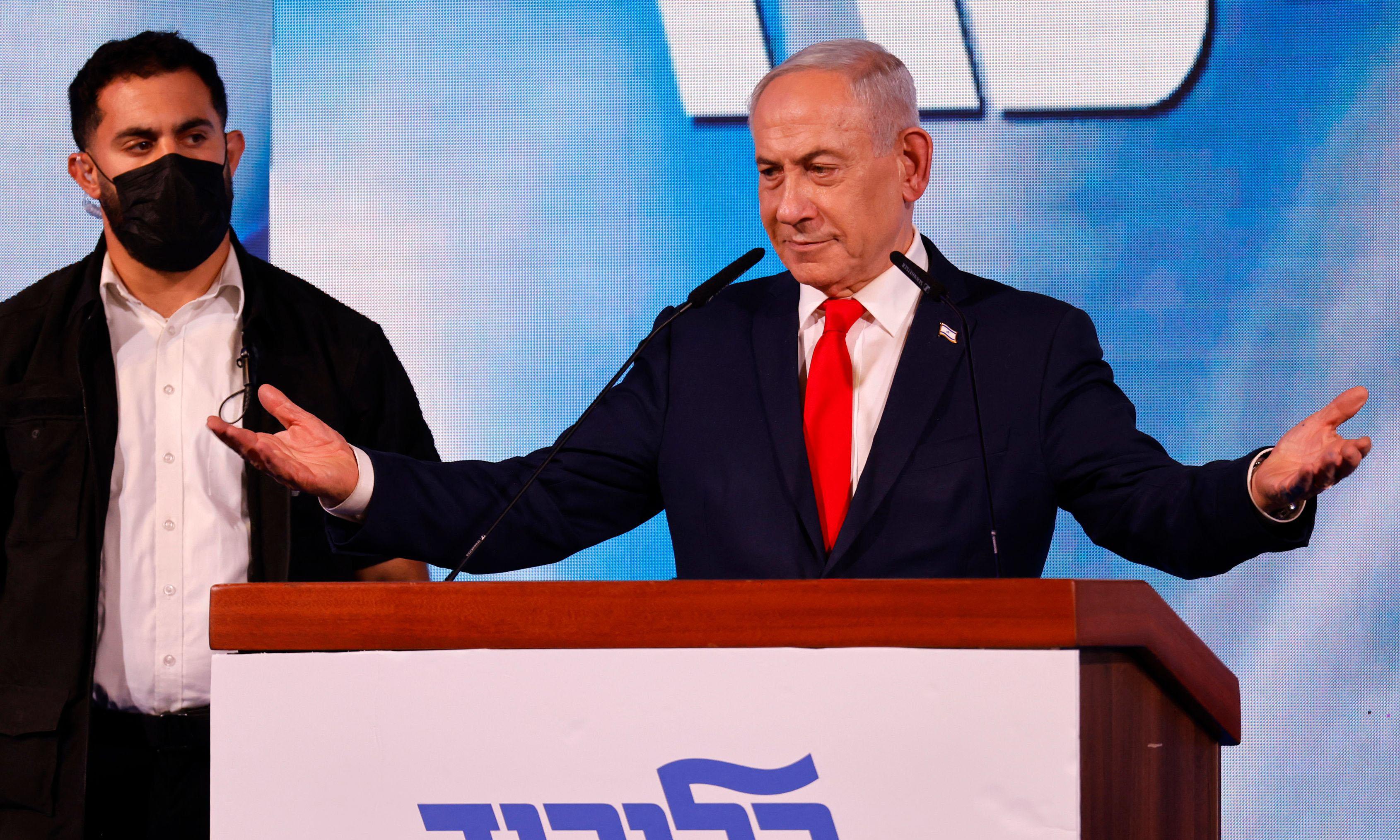
On October 28, 2026, Israel's electorate turned out in unprecedented numbers, with an estimated 78% of eligible voters casting ballots – the highest participation rate since 1999. That surge was not merely a statistical footnote; it signaled a renewed public appetite for change and placed every vote under a microscope. The high turnout also meant a massive influx of ballots, including roughly 600,000 double‑envelope votes that must still be counted. These sealed envelopes, designed to protect voter anonymity, add a layer of procedural complexity that could delay the final certification of results for weeks.
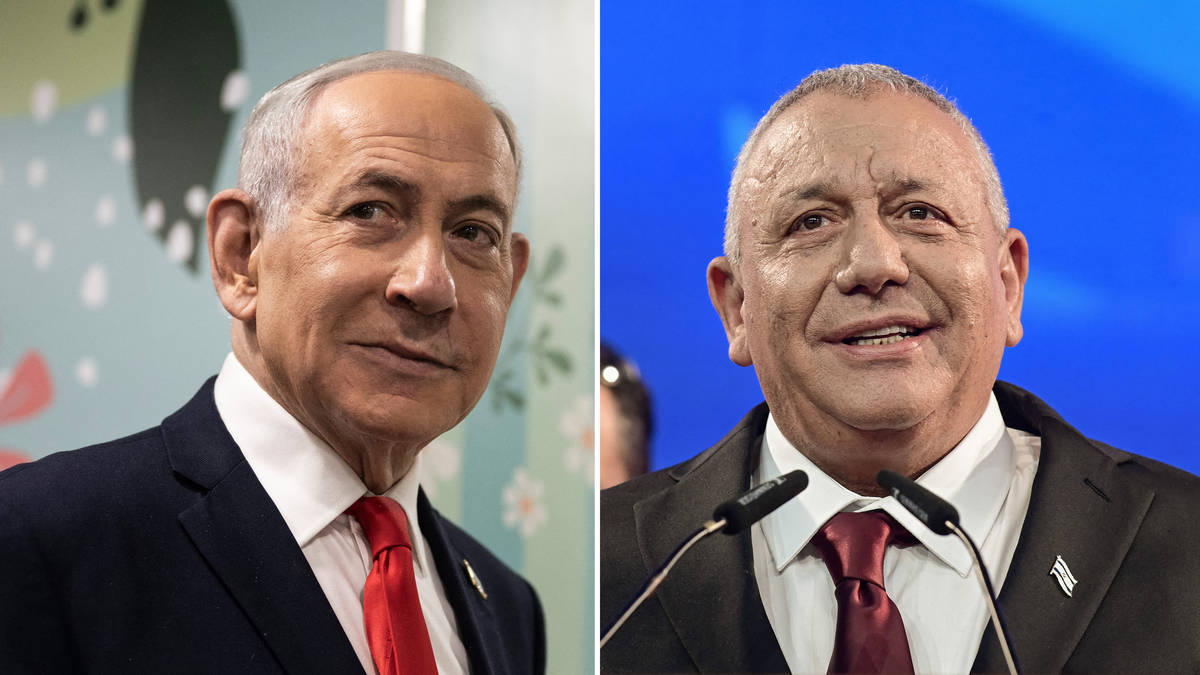
Early exit polls painted a picture of a tightly contested race. Benjamin Netanyahu's right‑leaning bloc is projected to secure 55 seats in the 120‑member Knesset, while the opposition, led by former chief of staff Gadi Eisenkot, appears poised to win 49 seats. The remaining seats are expected to go to Arab‑led parties, which have surged in the latest election cycle. Neither bloc reaches the 61‑seat majority required to form a government outright, setting the stage for a coalition‑building marathon.

🚨🇮🇱 Netanyahu's bloc is stuck at 54 SEATS with nearly 85% of votes counted, and the Arab parties could hold the balance of power... Netanyahu's right-wing and religious bloc has 54 seats, while Gadi Eisenkot's Yashar-aligned bloc has 49. The two Arab-majority parties hold another 17 seats, 11 for the Joint List and 6 for Ra'am. That leaves Netanyahu 7 seats short of the 61 needed for a Knesset majority. With 84.66% counted, neither major bloc can form a government on its own. Source: RN INTEL (TG) / Writer: Samuel
Historically, Arab parties have been excluded from governing coalitions, often relegated to the opposition benches. This election, however, could rewrite that script. With the remaining seats up for grabs, Arab parties hold the balance of power – a classic “kingmaker” scenario where a smaller faction can determine which larger bloc ultimately governs. The term “kingmaker” refers to a party or group that, while unlikely to lead, possesses enough seats to tip the scales in coalition negotiations. In Israel's proportional‑representation system, such leverage can translate into policy concessions, ministerial appointments, or even a formal role in shaping the national agenda.
The political calculus becomes a delicate dance: compromise enough to secure a governing majority while preserving core ideological commitments.
Both Netanyahu and Eisenkot have publicly ruled out alliances with Arab parties, emphasizing a desire for “strong right‑wing governments.” Yet the arithmetic of the Knesset leaves little room for idealism. If neither bloc can bridge the 61‑seat gap, the caretaker prime minister – likely Netanyahu, who would remain in office until a coalition is formed – may be forced to negotiate with the very partners he has dismissed. The political calculus becomes a delicate dance: compromise enough to secure a governing majority while preserving core ideological commitments.
Arab parties ‘have woken up’: Israel's uncertain election may deliver surprise kingmakers ➡️ https://t.co/NaVe7oMXNo https://t.co/Peao2QJv89
The election's reverberations extend beyond Jerusalem's walls. Former U.S. President Donald Trump, who has long championed Netanyahu, declared that his endorsement “helped Netanyahu a lot.” While Trump's words do not alter the seat count, they underscore the external pressures and diplomatic signals that can influence domestic coalition talks. An endorsement from a former world leader can embolden a candidate's negotiating position, especially when the stakes involve regional security concerns such as Iran.
In the interim, Netanyahu is expected to serve as caretaker prime minister, a role that maintains governmental continuity while coalition talks unfold. Should negotiations stall, Israeli law permits the calling of fresh elections, a scenario that would reset the political landscape and potentially fatigue an electorate already mobilized at historic levels. The presence of the 600,000 double‑envelope ballots adds another layer of uncertainty; their eventual tally could shift seat projections, further complicating the coalition calculus.

🇮🇱 🗳️ Israel's president voiced hope on Wednesday for avoiding a second election after a hard-fought vote produced no clear winner, leaving Prime Minister Benjamin Netanyahu and the opposition scrambling for options and making Israeli Arab parties possible kingmakers ➡️ https://t.co/mpEjdH53Ca
As the counting continues and parties line up for behind‑the‑scenes discussions, Israel stands at a crossroads. The remaining seats, earned amid a record turnout, have transformed from peripheral representation into a pivotal bargaining chip. Whether Netanyahu's bloc will secure the necessary allies, whether Eisenkot can craft a cross‑ideological coalition, or whether a fresh election will be called remains to be seen. What is clear is that the Arab parties, once sidelined, now occupy the center stage of Israel's political drama, embodying the very definition of kingmakers in a fragmented parliamentary arena.