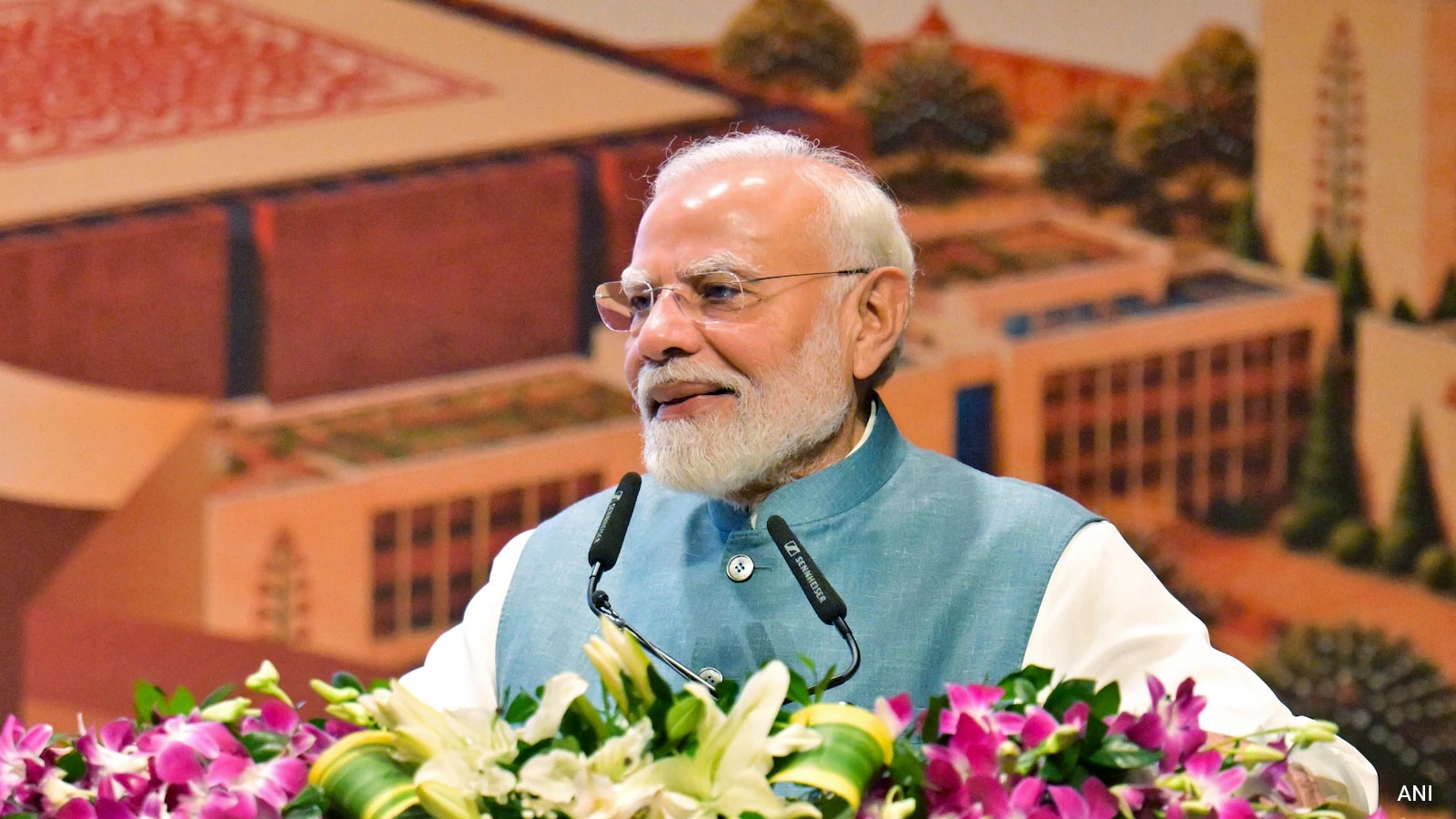
The sun over Bhubaneswar had just set on October 25, 2026, when Prime Minister Narendra Modi stepped up to the podium for the inauguration of a facility that would not look like a traditional bank. He was there to open the Reserve Bank of India’s new data centre and a dedicated cybersecurity training institute. But the speech that followed the ceremonial cutting of the ribbon was not about servers or silicon. It was about survival in a new era of conflict.
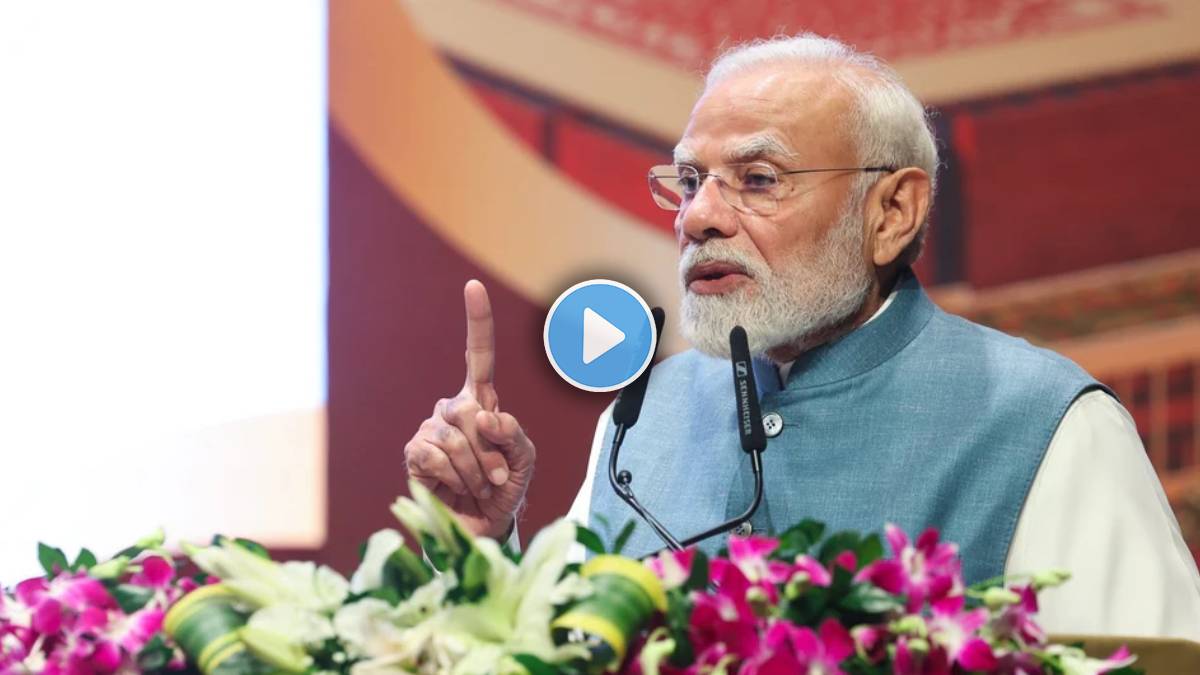
For decades, the public understood national defense through the lens of the army and the navy. Modi sought to update that vocabulary. He told the crowd that the landscape of warfare had fundamentally changed.
"Nowadays, wars are not fought with weapons alone. A nation can also be weakened by attacking its economy. And as India grows economically stronger, we must protect our banking system from cyber looters and cyber terrorists," Modi said. He repeated the sentiment with a different focus later, noting that if a country is to be weakened, it can be done by attacking its economic infrastructure. This was not a metaphor; it was a strategic assessment. The Prime Minister argued that the integrity of the digital financial system had become as essential to national security as the military perimeter.
Today, there are 60 crore Jan Dhan accounts that serve as direct channels for government benefits.
The event itself was a massive statement of intent. The new data centre, a critical piece of infrastructure for the central bank, had a cost of 169 crore rupees. This investment was not just for storage; it was paired with a training institute designed to build the human capital needed to defend against sophisticated cyber threats. Modi emphasized that modern infrastructure and robust IT systems are useless without skilled manpower. The creation of this dedicated training hub was meant to ensure that India could produce the technicians required to keep pace with the evolving tactics of global cybercriminals.

'Wars Being Fought By Attacking Economies': PM Modi On "Cyber Terrorists" https://t.co/y8jViDwKvX
The speech took a historical turn to explain why this infrastructure is necessary now. Modi recalled that banks were nationalised in the 1960s and 1970s in the name of the poor. Yet, he pointed out a stark reality discovered in 2014: more than half of the country's population was still outside the formal banking ecosystem. Since that realization, the gap has been closing. The government’s initiatives have led to the opening of 600 million Jan Dhan accounts. This massive expansion of financial inclusion has made the banking system the central nervous system of the economy, which is why it has become a primary target for external attack.
The scale of this transformation is evident in the flow of funds. Today, there are 60 crore Jan Dhan accounts that serve as direct channels for government benefits. These accounts are not just savings instruments; they are lifelines that transfer money directly to beneficiaries, bypassing middlemen. Modi highlighted that this system allows formal credit to reach small entrepreneurs, street vendors, traditional artisans, and workers in the unorganized sector. By making banking more efficient and reliable, the state has woven itself deeply into the daily economic lives of ordinary citizens. This integration means that a cyberattack on the banking system is not just a technical failure; it is a direct assault on the livelihoods of millions.

“Wars being fought not only conventionally but also by attacking economies. We need to protect India's banking system from cyber terrorists.” - PM Modi in Odisha https://t.co/kdspxxgXha
The discourse on security did not happen in a political vacuum. During the event, Modi redirected the conversation toward the opposition Congress party. He criticized them for allegedly denying banking services to the masses during their previous terms in power. This rhetorical move served to frame the current administration's record on financial inclusion as a moral correction to past neglect, reinforcing the idea that the government had uniquely prioritized the 'unbanked' population.
As the Prime Minister concluded, the message was one of constant vigilance. He stressed that as India grows economically stronger, it must protect its banking system. The goal is not just to react to threats, but to build a resilient architecture that can withstand the 'cyber looters' he identified. The establishment of the training institute is a long-term hedge against this risk, ensuring that the nation has the specialized skills to defend its digital fortress.

VIDEO | Bhubaneswar: "Wars being fought not only conventionally but also by attacking economies; need to protect India's banking system from cyber terrorists," says Prime Minister Narendra Modi in Odisha. (Source: PM Modi YT) (Full video available on PTI Videos - https://t.co/bIyFWTfmBd)
In the end, the inauguration in Bhubaneswar marks a shift in how India views its digital assets. They are no longer just commercial tools; they are sovereign assets. The 169 crore rupee investment and the push for 600 million accounts have made the banking system a critical component of national power. As the new data centre comes online, the focus moves from building the system to hardening it, ensuring that the economic gains of the last decade are not undone by the new, invisible weapons of the 21st century.