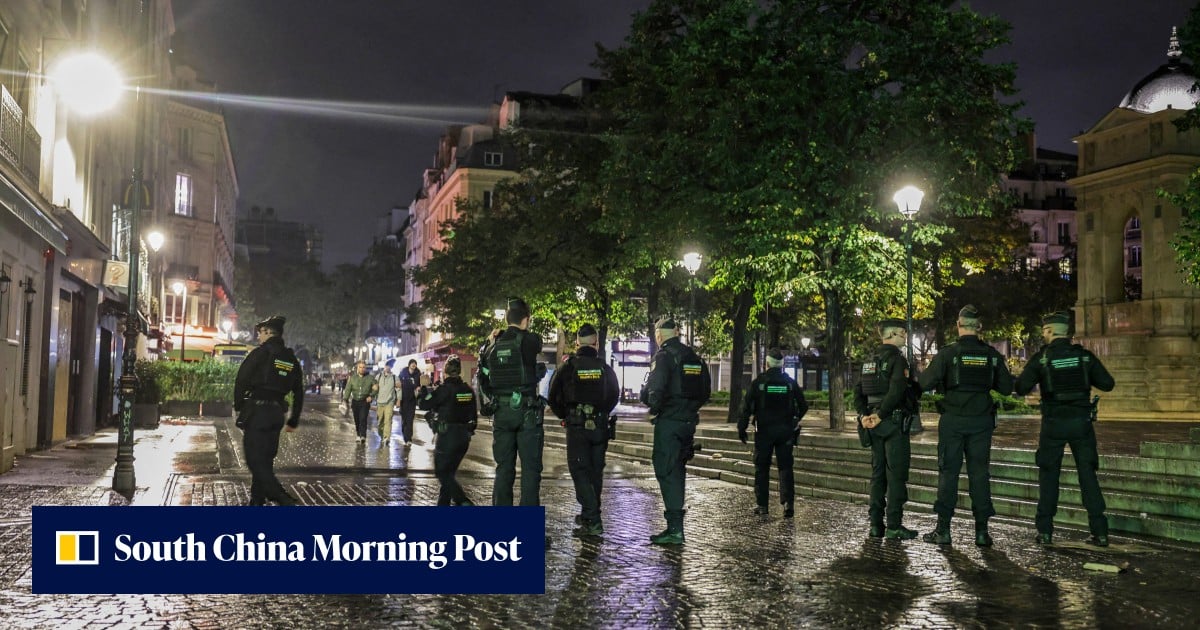
In the early hours of October 23, 2026, the French government issued a stark warning. Interior Minister Laurent Nunez, in a press conference, warned of 'numerous calls from radical far-left groups on social media to commit acts of violence and vandalism.' The message was clear: the authorities were gearing up for a potentially volatile situation.

By mid-morning, the show of force was in full swing. Over 70,000 police and military personnel, including specialized RAID units and surveillance drones, were mobilized across the country. The Louvre and other major Paris museums, recognizing the heightened security risk, closed their doors. The Culture Ministry issued a statement urging institutions to prioritize safety and security.
Amidst the growing concerns, the National Anti-Terrorism Prosecutor’s Office opened a criminal investigation into a recent shooting incident. While the details of the case remain under wraps, the move underscored the government's determination to address any potential security threats.
The meeting was part of a broader effort to address the concerns of young people, who have been at the forefront of recent protests.
As the security forces were being deployed, President Emmanuel Macron made a surprise announcement. He postponed his planned trip to Africa, citing the need to focus on domestic issues. The decision was seen as a pragmatic move, given the rising tensions and the potential for widespread unrest.
Later that day, Interior Minister Nunez held a press conference to address the situation. He warned, 'There have been numerous calls from radical far-left groups on social media to commit acts of violence and vandalism. There have also been renewed calls for looting, with those messages clearly being spread by rioters.' The tone was unequivocal: the government would not tolerate any acts of violence.
In a bid to engage with the public, President Macron met with high school pupils' representatives. The meeting was part of a broader effort to address the concerns of young people, who have been at the forefront of recent protests. Macron's approach was measured, but the underlying message was clear: the government was listening, but it was also prepared to take firm action.
As the day wore on, protests began to take shape. Demonstrators, many of them young and passionate, took to the streets. The atmosphere was tense, with calls for violence echoing through social media. The security forces, deployed in large numbers, were on high alert. The deployment of 70,000 officers was a visible reminder of the government's resolve to maintain order.
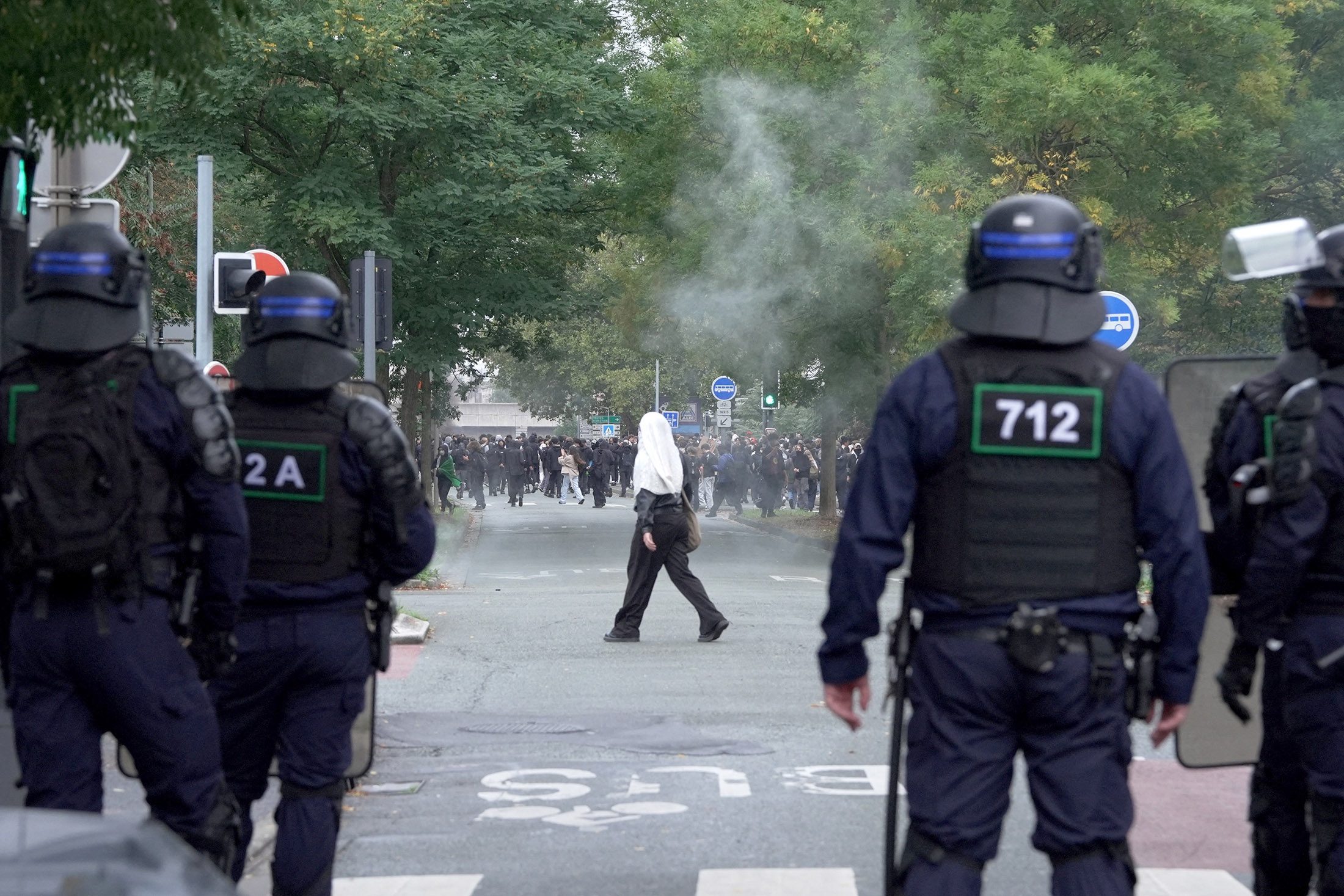
According to the Justice Ministry, 2,700 people were taken into custody, and 217 were jailed. The numbers were significant, but the government's approach was marked by a firm but measured response.
As the night fell, the country was left in a state of heightened alert. The deployment of 70,000 security personnel was a clear indication of the government's commitment to preventing violence and maintaining order. The postponement of Macron's Africa trip was a pragmatic decision, given the current climate. The coming days would be crucial, as the government and the protesters alike would be watching each other closely. The situation in France remained fluid, but one thing was certain: the stakes were high, and the government was ready to act.