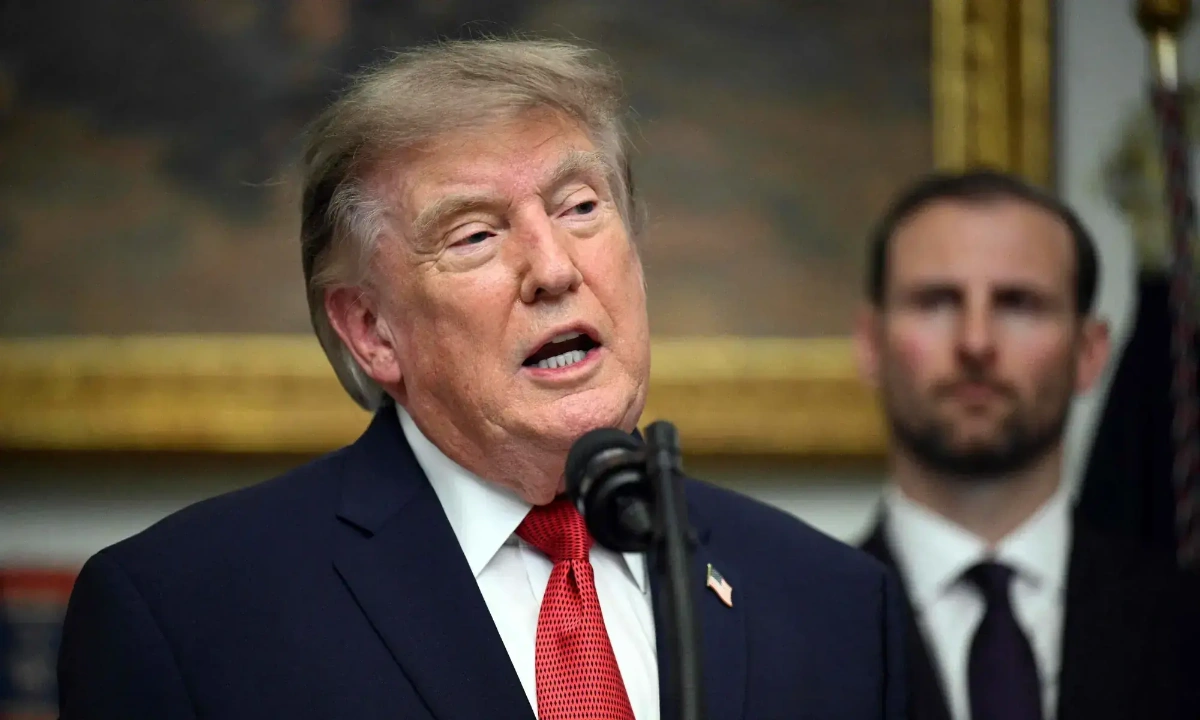
On November 4, 2026, the day Americans went to the polls for their midterm elections, Donald Trump stepped onto the podium for his first press conference since the vote. Rather than celebrating a victory or conceding defeat, he opened with a startling confession: the war he launched against Iran had helped sink the Republican Party’s chances in the congressional races. "I think that is probably true, because the war in the short term caused fuel prices to rise a little, and probably that had an effect on the election results," he said, framing the conflict as a political liability even as he defended its strategic purpose.
Trump’s explanation hinged on a single economic ripple: a modest uptick in gasoline prices. He argued that the spike was enough to sway enough voters to tip the balance against his party. "A breve termine ha causato un leggero aumento del prezzo della benzina, ed è probabilmente vero," he noted, translating his own Italian‑language remark into plain English. The implication was clear—while the price increase was minor, it was the most tangible way the war manifested in voters’ daily lives, and that visibility translated into ballots.
Even as he acknowledged the electoral cost, Trump refused to backtrack on the decision to go to war. "If I had to do it again, I would do the same thing; because in the long term, this is the only solution. We cannot allow Iran to get nuclear weapons," he declared. The former president framed the conflict as a necessary sacrifice, a calculus where short‑term discomfort yields a permanent safeguard against a nuclear‑armed Tehran. He reinforced the point with a blunt assessment: "The decision to enter the war with Iran was worth it."
By downplaying the threat, he sought to keep the focus on the war’s strategic merits rather than his personal legal vulnerabilities.
Amid the political fallout, Trump also addressed the specter of impeachment that has haunted his post‑presidential years. He dismissed it as a baseless maneuver, suggesting that any attempt to remove him would only damage the Democratic Party. "I am not worried about impeachment," he said, positioning the issue as a partisan distraction rather than a constitutional crisis. By downplaying the threat, he sought to keep the focus on the war’s strategic merits rather than his personal legal vulnerabilities.
Trump was not alone in linking the Iran conflict to the Republican defeat. On the same day, Vice President JD Vance echoed the sentiment, citing both the war and the United States’ strong alliance with Israel as factors that hurt the party’s electoral fortunes. Vance’s parallel remarks reinforced a unified party narrative: the foreign‑policy gamble, while intended to project strength, had unintended domestic repercussions.
The combined statements from Trump and Vance painted a picture of a party grappling with the consequences of an aggressive foreign policy. Republicans, traditionally praised for a hard‑line stance on Iran, now faced criticism that the very aggression they championed had alienated voters. At the same time, Democrats were cast as the beneficiaries of any impeachment drama, a rhetorical device that aimed to rally their base while deflecting from the economic concerns that had influenced the midterms.
As the dust settles on the 2026 midterms, the conversation about the Iran war remains polarized. Supporters of Trump argue that the long‑term security payoff outweighs any temporary price hike, while critics point to the electoral loss as evidence that voters will not tolerate foreign entanglements that touch their wallets. The former president’s resolve to repeat the action if necessary signals that the strategic calculus will continue to shape American foreign policy debates for months, if not years, to come.