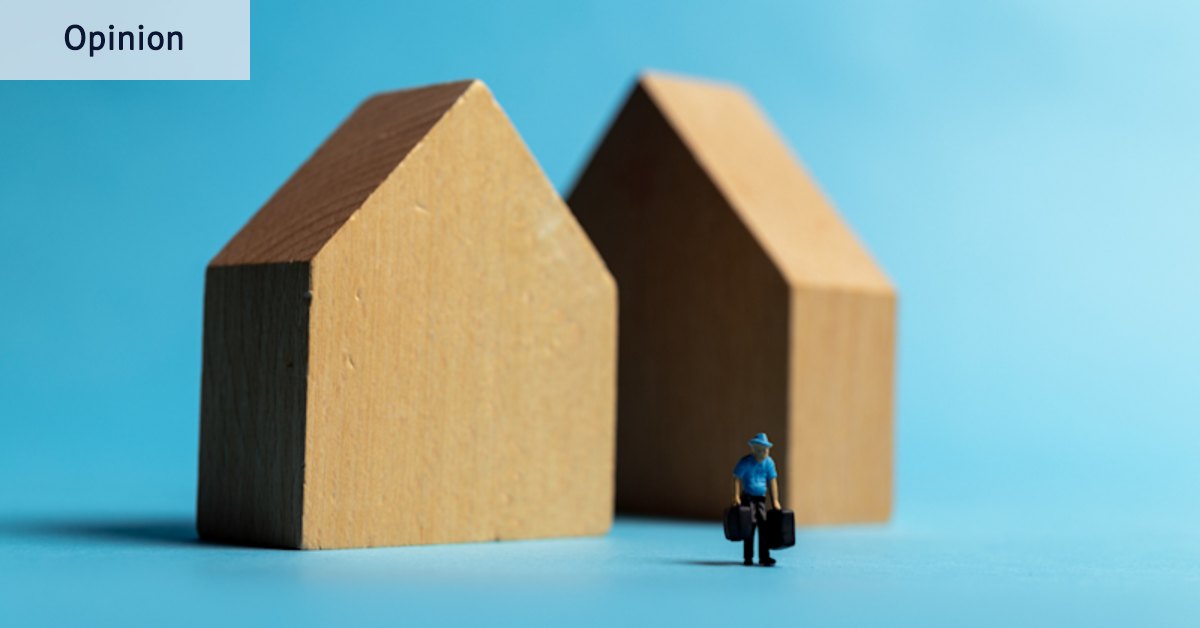
Imagine waking up in a house that feels too big, too empty, and too expensive to maintain. For many, the solution is simple: sell, downsize, and free up capital. However, the decision to delay downsizing is a complex one that involves weighing financial and personal risks. The decision to hold onto a property that no longer serves your needs can have significant consequences for your financial portfolio and personal well-being.
The property market is a living, breathing entity, constantly in flux. It moves in cycles, with peaks of high value and troughs of low value. Riding it out, hoping for a better price, can mean waiting years. The current market conditions present a unique challenge. While some areas may see a surge in value, others may remain stagnant or even decline. The risk of waiting is that you might be caught in a downturn, watching your potential profit evaporate. The opportunity cost of holding onto a property that isn't performing is significant. The money tied up in your home could be released to invest, spend, or buy a more suitable property, or a combination thereof.
Every home costs money to hold, regardless of whether it is appreciating or depreciating. Rates, insurance, and maintenance are ongoing expenses that continue to pile up. These costs are often overlooked in the excitement of potential capital gains. However, they represent a real drain on your resources. The longer you hold onto a property, the more these costs accumulate, eating into any potential profit from a sale. The decision to delay downsizing is a decision to continue paying for a space that no longer serves your needs.
It cannot be used to generate new income, fund a retirement lifestyle, or cover unexpected expenses.
The money tied up in your home is essentially locked away. It cannot be used to generate new income, fund a retirement lifestyle, or cover unexpected expenses. By delaying the sale, you are forgoing the opportunity to invest that capital elsewhere. This is the concept of opportunity cost. The money you could have earned from a sale could have been used to create a more secure financial future. The decision to hold onto a property is a decision to forgo other potential benefits.
The cost of waiting is not just financial. It can affect your health, happiness, and independence. The decision to downsize is not just about money; it is about improving your quality of life. The decision to delay downsizing is a decision to postpone these benefits.
The decision to delay downsizing is a complex one. It requires careful consideration of the financial and personal implications. The risks of waiting are real, and the potential rewards of selling are significant. The decision to hold onto a property is a decision to forgo other potential benefits. The decision to downsize is a decision to improve your quality of life. The decision to delay downsizing is a decision to postpone these benefits.