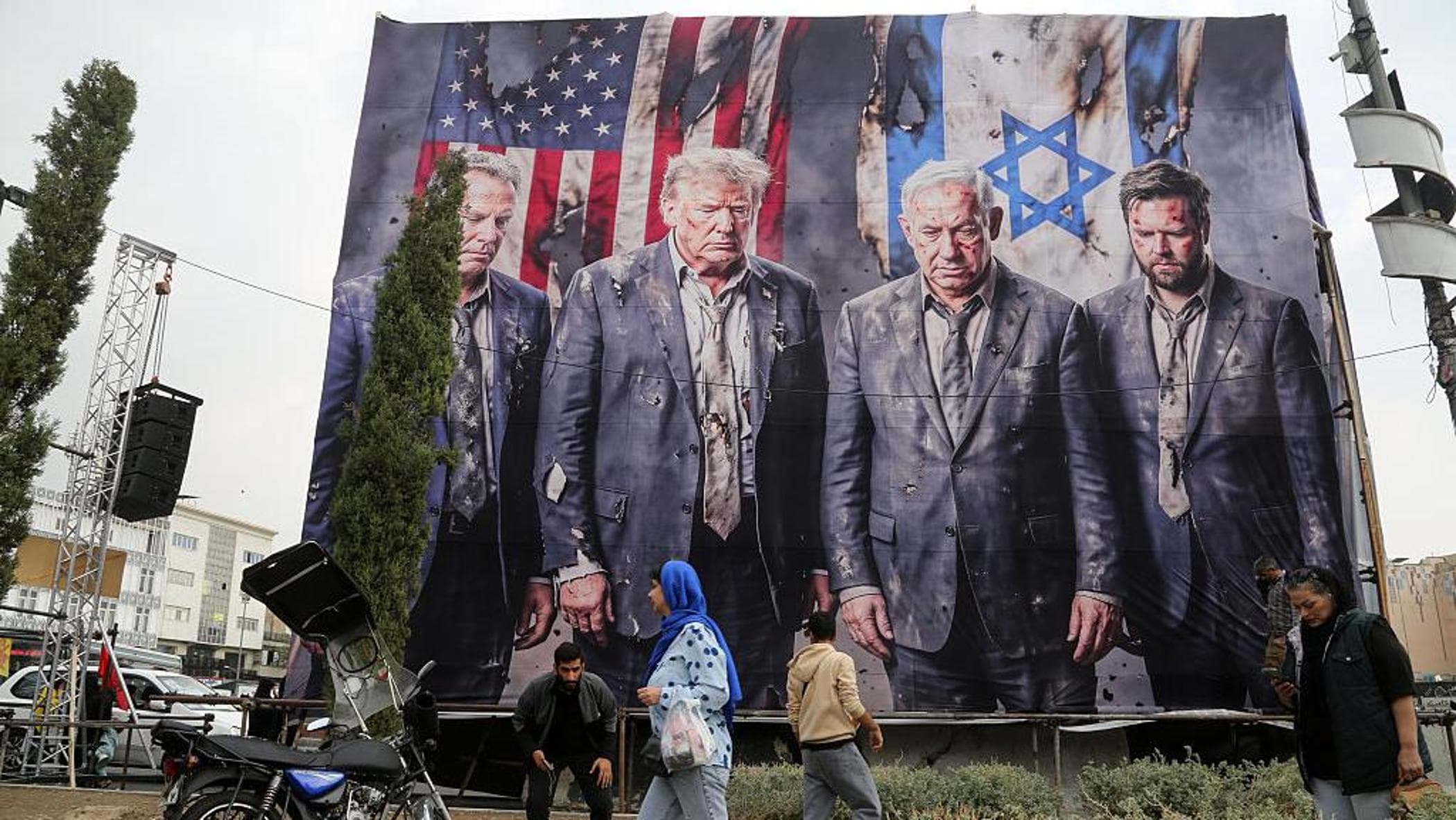
In the complex geopolitical landscape of the Middle East, President Donald Trump has offered a nuanced perspective on the United States' relationship with Iran. During a recent interview with the Financial Times on November 4, 2026, Trump addressed the mounting tensions between the two nations, delivering a message that simultaneously reassured and concerned international observers. The President's remarks come at a critical juncture in Middle Eastern politics, where the threat of military conflict looms large despite diplomatic efforts.
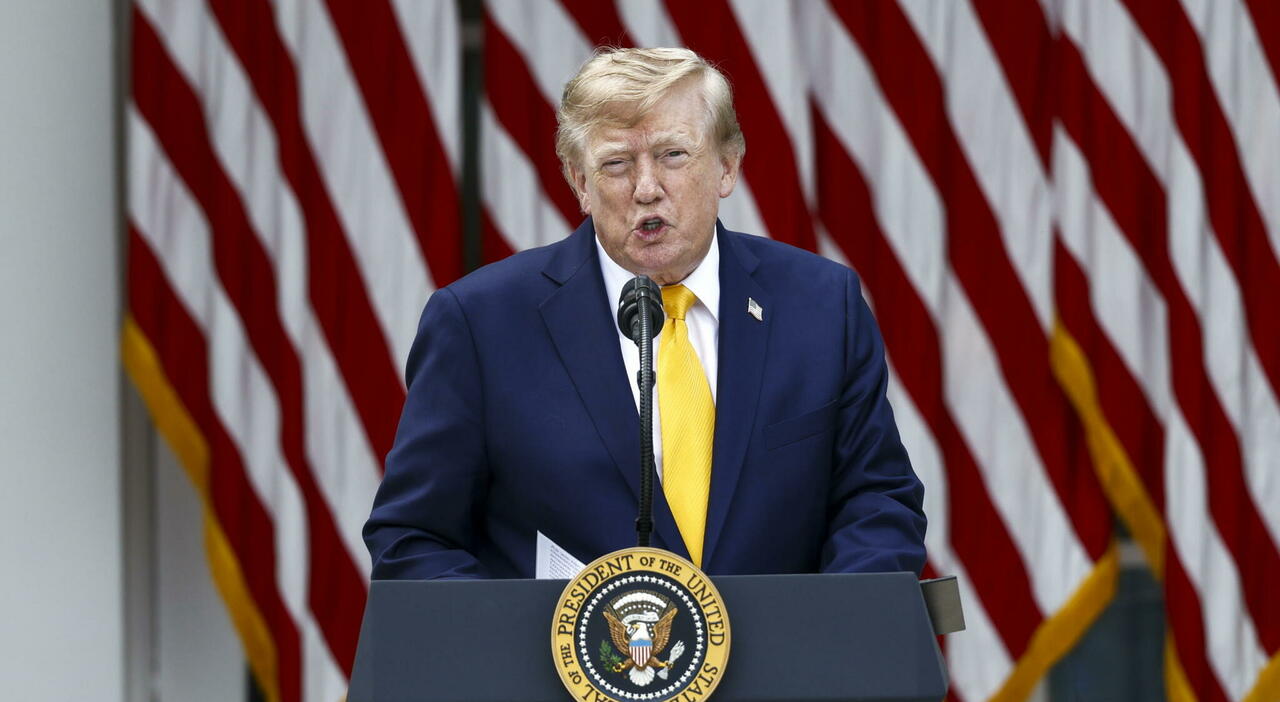
"Sono pronto, siamo pronti. Siamo pronti all'azione, se necessario, ma potrebbe non essercene alcun motivo," Trump stated, translating to "I am ready, we are ready. We are ready to act if necessary, but there may be no reason to do so." This clear statement underscores the President's position that while the United States maintains military readiness, there are no imminent plans for an attack on Iranian territory. The denial of an "urgent plan" for military action represents a significant moment in the ongoing psychological warfare between Washington and Tehran, potentially easing immediate fears of widespread conflict in the region.
Beyond the military posturing, Trump emphasized the effectiveness of economic sanctions as a tool to influence Iranian behavior. "Ben hazırım, biz hazırız. Gerekirse harekete geçmeye hazırız ancak bunun için bir neden olmayabilir," he added, reinforcing the message that military action remains a last resort. The President highlighted the success of the US-led blockade on Iranian ports, which he claimed has economically "suffocated" Tehran. This economic approach represents a continuation of the "maximum pressure" campaign that characterized the early years of Trump's first term, demonstrating a strategic preference for economic warfare over direct military confrontation.
The President highlighted the success of the US-led blockade on Iranian ports, which he claimed has economically "suffocated" Tehran.
One particularly revealing aspect of Trump's remarks was his observation about oil traffic through the Strait of Hormuz. The President noted that currently, more oil passes through this strategically vital waterway than in the pre-war period, suggesting that despite heightened tensions, global energy markets remain relatively stable. This statement serves as both an economic indicator and a geopolitical signal, implying that while diplomatic relations remain strained, the practical aspects of international commerce continue to function, at least for now.
Trump's interview touched not only on Iran but also on the ongoing peace talks between Ukraine and Russia, expressing optimism about diplomatic progress in that conflict. This broader perspective suggests that the administration is attempting to manage multiple international crises simultaneously, with Iran representing just one piece of a complex global puzzle. The President's ability to address these diverse challenges while maintaining a consistent message about Iran demonstrates the intricate balancing act required in modern American foreign policy.
As of November 2026, the situation remains fluid, with Trump's administration walking a fine line between demonstrating strength and avoiding unnecessary escalation. The President's emphasis on economic pressure over military action, coupled with explicit denials of imminent attacks, suggests a calculated approach to managing Iranian threats. However, the underlying tensions persist, and the region remains a potential flashpoint that could escalate with little warning. The international community continues to watch closely, aware that the delicate balance maintained by Trump's statements could shift with little notice in this volatile corner of the globe.