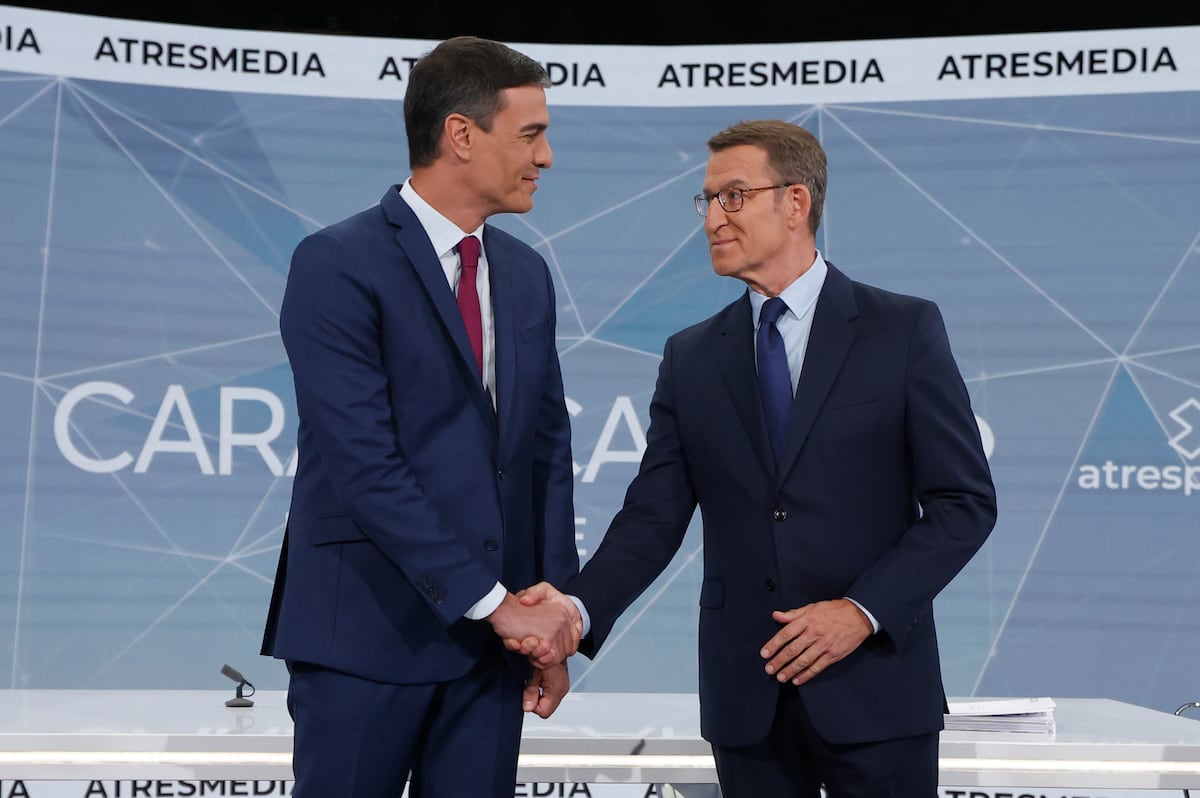
In the high-stakes theater of Spanish politics, the debate stage is often as significant as the ballot box itself. As the general election campaign gathers momentum, the two primary political forces—the Spanish Socialist Party (PSOE) and the Popular Party (PP)—have found themselves engaged in a delicate, often contentious negotiation over the structure of their public confrontations. At the heart of the dispute is a fundamental disagreement over the venue, a choice that carries heavy implications for the perceived neutrality and reach of the proceedings.
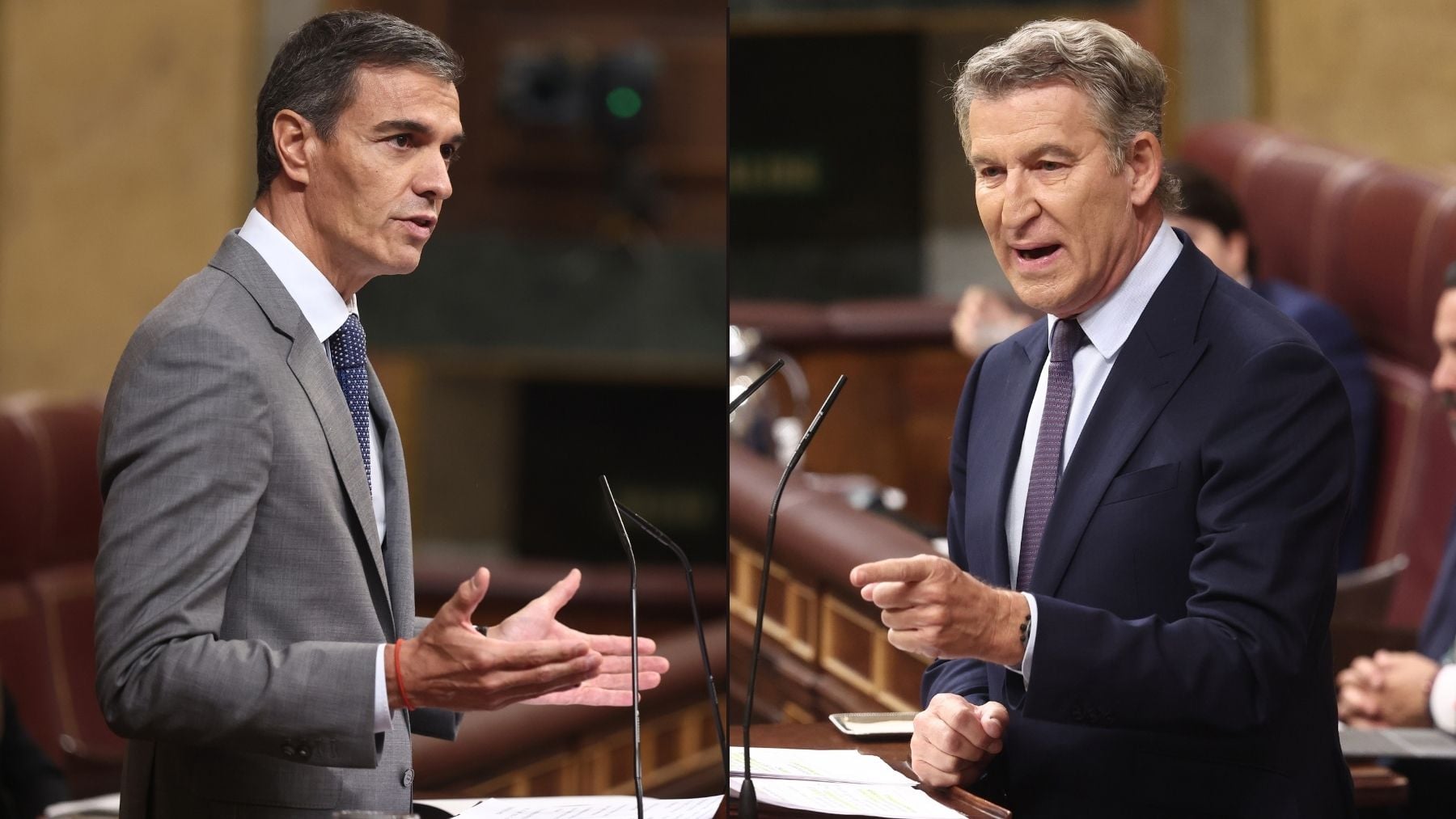
On a Thursday, the PSOE confirmed its commitment to a head-to-head encounter between Prime Minister Pedro Sánchez and the leader of the opposition, Alberto Núñez Feijóo. The date for this one-on-one showdown is set for November 16. For the PSOE, these moments are not merely campaign events; they are essential components of the democratic process. As the party stated, "Es indispensable que ambos encuentros se produzcan," emphasizing the necessity of these dialogues for the electorate.
While the date of November 16 appears settled for the direct confrontation, the broader landscape of the campaign remains clouded by a secondary, more complex proposal. The PSOE has advocated for a second debate, this one involving the four main candidates, to be held on November 26. Crucially, the Socialists insist that this four-way debate must take place on RTVE, Spain’s public broadcaster. They argue that the public service nature of the network is essential to ensuring a fair and balanced platform for all participants.
The PP has explicitly rejected the idea of a four-way debate on RTVE, declaring, "no habrá debate a cuatro en RTVE.
However, the Popular Party has met this proposal with firm resistance. The PP has explicitly rejected the idea of a four-way debate on RTVE, declaring, "no habrá debate a cuatro en RTVE." Instead, the opposition party has pushed for the use of private media organizations for these high-profile events. This preference for private channels over public ones has become a central point of friction, reflecting deeper ideological divides regarding the role of state-funded media in political discourse.
Adding to the complexity of the negotiations is the calendar itself. The proposed date for the four-way debate, November 26, coincides with a meeting of the Council of the European Union, which spans November 26 and 27. This scheduling conflict places additional pressure on the candidates, who must balance their domestic campaign obligations with their international responsibilities.
Despite the friction, there is a shared recognition that the format established in July 2023 serves as a baseline for these discussions. The PSOE has expressed a strong desire to replicate that successful structure, while the PP has already confirmed its participation in the general concept of these debates, even as it continues to challenge the specific logistics. The PP has specifically indicated a preference for Mediaset as a host, a choice that the PSOE has yet to confirm, leaving the final arrangements for the second debate in a state of flux.
What remains is a standoff that transcends simple scheduling. It is a battle over the optics of the campaign. By insisting on RTVE, the PSOE seeks to anchor the debate in a public institution, framing the event as a service to the citizenry. By insisting on private media, the PP seeks to move the debate into a different arena, perhaps aiming to bypass the institutional framework that the Socialists hold dear.
As the calendar moves toward November 16, the political class and the public alike are left to watch this maneuvering. The question of who will stand where, and which network will broadcast the final arguments, remains a critical piece of the election puzzle. For now, the parties continue to negotiate, each side calculating the political cost of yielding on the venue, while the voters wait to see if the four-way debate will materialize at all.