
The air in the Bahamas was thick with history as King Charles III stepped out to address a crowd that carried the weight of centuries. It was a moment designed to feel like a pivot toward reconciliation, where the monarch spoke to a populace who had endured the most brutal chapter of British history. As the tour began, the question hanging over the region was not just what the King would say, but what he would leave unsaid. The answer would be revealed in the careful calibration of his words, marking a boundary between acknowledging pain and accepting the burden of responsibility.
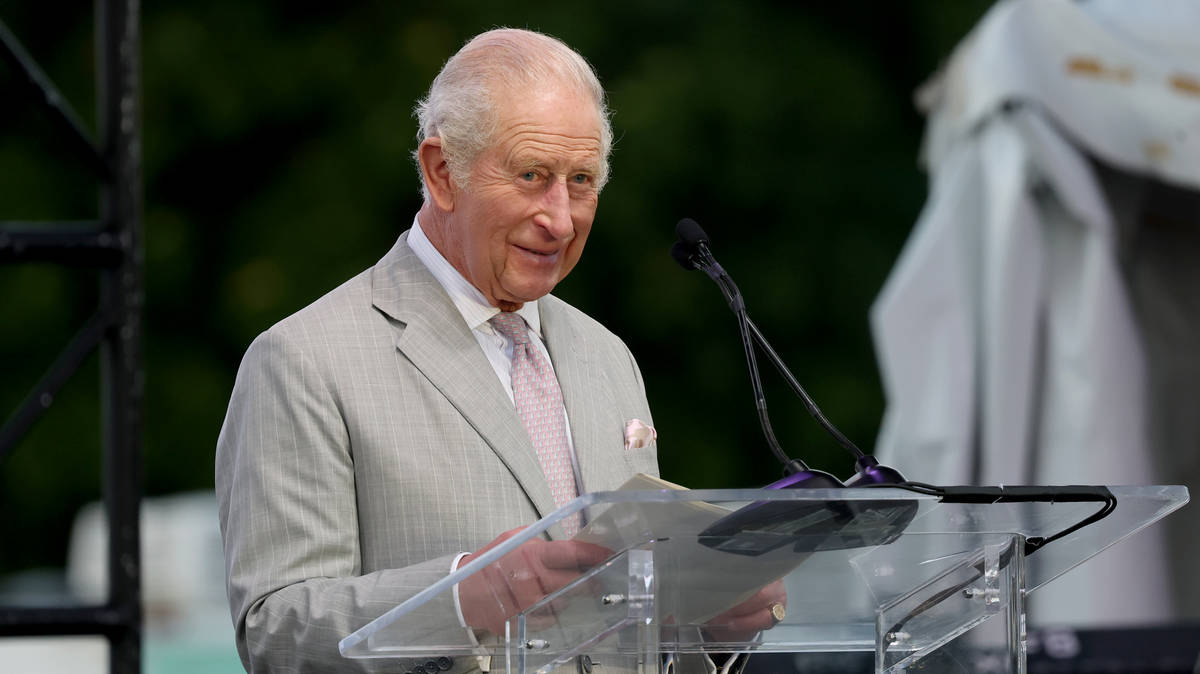
The King’s arrival in the Bahamas set the tone for a visit that would blend pastoral admiration with the heavy machinery of diplomatic history. Standing before the assembly, he did not reach for the traditional machinery of royal duty, but instead reached for the emotional core of the Caribbean experience. He acknowledged 'the great suffering and injustices of the past in these islands and beyond.' This was not a new category of suffering; it was the specific, documented, and catastrophic legacy of the transatlantic slave trade, which saw millions of people from West Africa forcibly brought to the Caribbean to build the wealth of empires, British among them. By naming this suffering explicitly, the King inserted the British Crown into the narrative of the region’s formation, a step that required immense political delicacy.
Yet, in the same breath that he named the darkness, the King chose to focus his attention on the light that had survived it. He pointed to the cultural vibrancy of the Bahamians, arguing that some of what is best in their culture today, 'the most joyful, the most hopeful, the most bright was born out of darkness.' This framing invited the audience to view their history not merely as a site of victimhood, but as a crucible of resilience. He told the crowd that it gave him 'enormous hope' to see the way generations of Bahamians have 'carried the history, the legacy and the promise bequeathed to you by your ancestors, with pride in your hearts and purpose in your steps.' In this construction, the King was not a penitent leader, but a proud observer of a people who had risen, a stance that critics argued softened the moral weight of the Crown’s past actions.
The King’s visit to the Bahamas was not an isolated event; it was the opening act for a far more serious diplomatic summit taking place just a few days later.
As the tour moved toward its climax, the political stakes began to sharpen. The King’s visit to the Bahamas was not an isolated event; it was the opening act for a far more serious diplomatic summit taking place just a few days later. In his address, he explicitly linked the two events, stating, 'Even as we rejoice in the successes of the present and build new opportunities for the future, I know that leaders of the governments of affected Commonwealth countries will be discussing these matters in Antigua and Barbuda next week.' This line was a diplomatic pivot, moving the conversation from a celebration of cultural survival to a direct engagement with the political reality of shared history.
Antigua and Barbuda was the stage for the Commonwealth Heads of Government Meeting, a gathering where the rhetoric of the tour would meet the concrete demands of Caribbean leaders. In that forum, the call for reparations was not merely a symbolic request for comfort; it was a structural demand for economic justice that reflected the massive wealth generated by enslaved labor over two centuries. Caribbean nations entered the talks holding a critical stance, expecting the British government to offer more than just a statement of shared humanity. The King’s attendance signaled a willingness to be present at this reckoning, but his refusal to apologize for the slave trade during the tour suggested that Britain’s legal and moral position on reparations remained firmly closed, limiting the space in which the leaders could push for a fundamental change in the region’s relationship with London.
The journey through the region also highlighted the King’s role as the head of a vast international network, traveling on a nine-day tour that included a solo state visit to Guyana. In that visit, the King engaged with leaders across the Commonwealth, a bloc that is no longer solely a group of British colonies, but a complex web of independent nations navigating their own sovereign paths. The inclusion of Guyana in the itinerary underscored that the legacy of slavery extends beyond the island nations, touching the entire architecture of the post-British world. The King’s presence was a reminder of the shared, inescapable historical threads that bind these countries together, for better or for worse.
The tour concluded with the King leaving the region, having offered a vision of the past that was rooted in 'pride' rather than 'apology.' The leaders in Antigua and Barbuda continued their discussions, navigating a path forward that would have to account for the Crown’s official position. The King had successfully bridged the gap between a historical atrocity and a present-day partnership, but he did so by carefully defining the terms of that bridge. He acknowledged the suffering, but by choosing not to apologize for the trade that caused it, he left the door open for Caribbean leaders to continue their fight for a formal reckoning, while maintaining the diplomatic ties that held the Commonwealth together.
