In early November, a quiet panic began to ripple through the streets of Asunción and beyond. It wasn't a sudden storm or a physical disaster, but a digital one: the sudden, chilling realization that access to money had vanished. Ueno Bank, a major financial institution that had played a pivotal role in bringing 140,000 people into the formal financial system, had suddenly ceased to function. For the bank's 500,000 customers, the reality was immediate and visceral. As the institution faced a solvency crisis, the accounts of nearly 3 million people were effectively frozen, leaving a massive segment of the population unable to touch their own savings.

The Central Bank of Paraguay (BCP) moved to halt the bleeding, announcing a dissolution process for Ueno Bank and placing the institution under intervention and liquidation. The bank, which had experienced rapid growth, was found to suffer from insufficient capital. Shortly thereafter, the Central Bank placed Ueno Bank under tutelage. What began as a technical banking failure quickly transformed into a systemic shock, as the collapse of such a significant player triggered a profound political crisis that threatened the very foundations of the Paraguayan state.

JUST IN - Paraguay President Santiago Peña resigns after Paraguay’s central bank seized a major digital bank with close ties to the President. https://t.co/VqyZahIF6H
As the financial walls closed in, scrutiny turned toward the highest office in the land. The crisis was not merely one of bad math or insufficient reserves; it was a crisis of trust. Accusations began to swirl that the bank's failure was linked to a scandal involving President Santiago Peña, who held shares in the institution. The opposition quickly framed the collapse as a symptom of deeper rot, alleging conflicts of interest, misuse of public funds, and a deliberate effort to cover up irregularities related to Ueno Bank. The president was no longer just a leader managing a crisis; he was being accused of participating in the very instability he was meant to prevent.
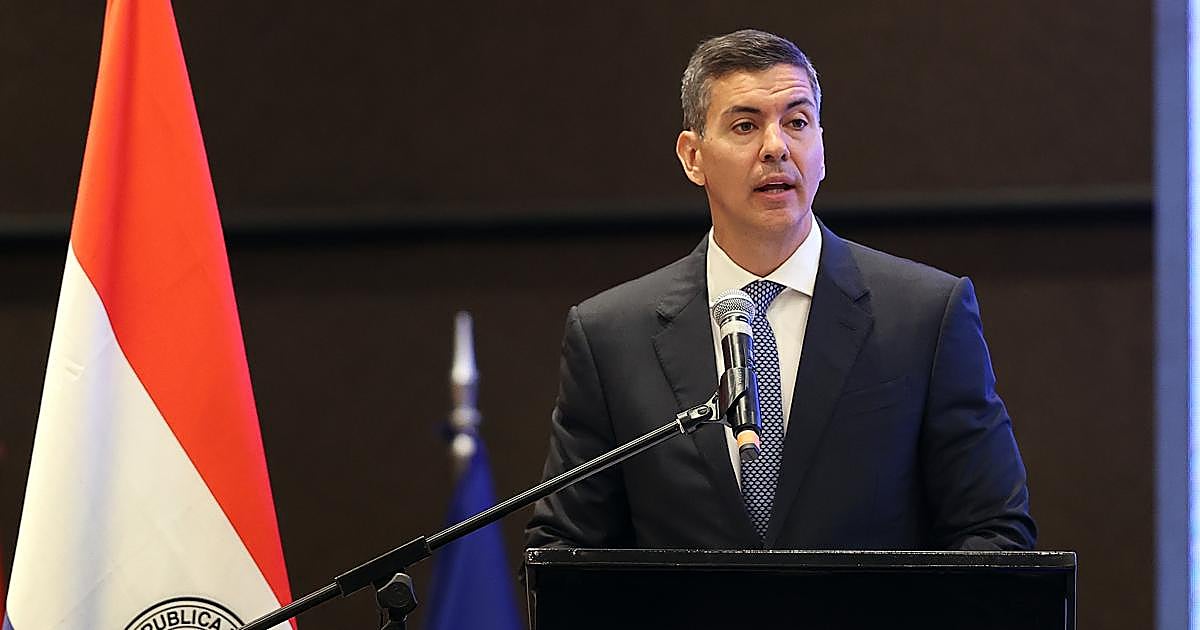
Amid the impeachment debate, President Santiago Peña announced his resignation.
The political atmosphere in Paraguay reached a breaking point. The lower house of Congress was already embroiled in a debate regarding the president's impeachment, with opposition senators filing formal complaints against him. The pressure was not just coming from the halls of government, but from the streets, as protests erupted in Asunción. Even the President's own political base began to fracture; Peña lost the backing of the Colorado Party, the official seat of the Executive Power of the Republic of Paraguay. The walls were closing in from every direction: the legislature, the streets, and his own party.

Paraguay’s President Santiago Pena has just resigned following mounting pressure from a bank crisis. This comes after Paraguay’s central bank seized a major digital lender, preventing millions of customers from accessing their accounts. Al Jazeera’s Lucia Newman reports. https://t.co/o5B6npF1Tc
Amid the impeachment debate, President Santiago Peña announced his resignation. The decision came at a moment when the opposition was demanding his immediate removal. He cited the urgent need for national stability and the preservation of democratic institutions as the primary drivers behind his decision to step down.
Peña’s resignation was accompanied by a somber attempt at reconciliation with a public that felt betrayed. He addressed the immense hardship caused by the banking freeze, stating that his priority was the peace of mind of the Paraguayans who had entrusted their savings to the financial system. In a moment of vulnerability, he offered a formal apology to the citizenry, acknowledging the weight of the crisis. He expressed a conviction that no office should stand above the well‑being of Paraguay, stating that if he had failed the people, it was never his intention to disappoint the trust they had placed in him.

Paraguay 🇵🇾 had a deep corruption in its central banking that funneled money back to insiders. That’s why corruption at every level needs to be prosecuted here in the US @SenateDems @TheDemocrats Hakeem and Chuck are not the ones to usher in that new era. Unfortunately. https://t.co/MmNtEnFsI1
With the presidency suddenly vacant, the mechanism of the state moved to ensure continuity. Vice President Pedro Alliana assumed the presidency, stepping into the breach left by Peña’s departure. The transition occurs against a backdrop of intense scrutiny and economic uncertainty. While the leadership has changed, the fundamental question remains: how the nation will recover from the freezing of millions of accounts and the political upheaval that followed the fall of Ueno Bank.