For several days in October 2026, the streets of France became a theater of profound instability. What began as a mobilization against the crushing weight of high living costs and systemic issues within the education sector rapidly devolved into a series of violent confrontations. By October 16, the unrest had spread from the capital to major urban centers like Lyon and Marseille, where scenes of pillaging and direct attacks on city halls shocked the national conscience. The scale of the chaos was unprecedented in recent memory, leaving the French government scrambling to regain control of a situation that had spiraled far beyond the bounds of typical civil protest.
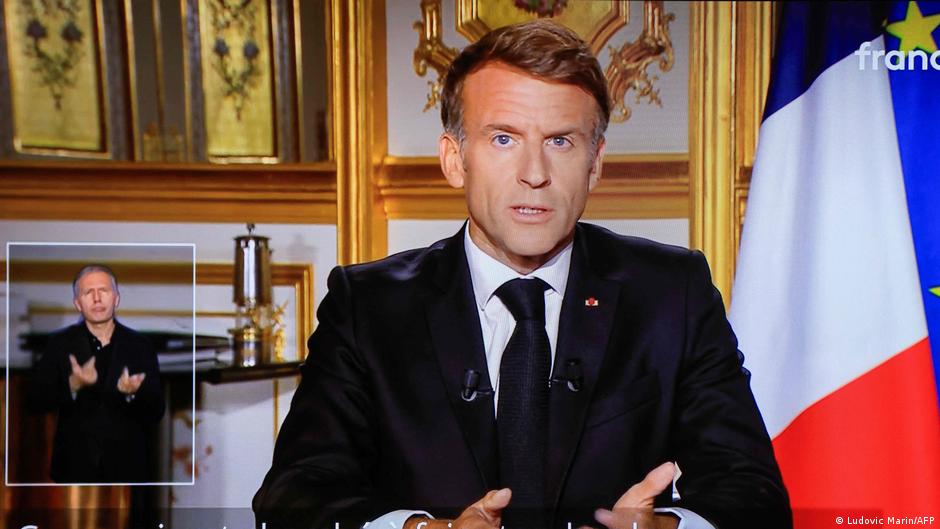
The human and material cost of these days of rage was staggering. As the dust began to settle, the authorities reported a tally that underscored the severity of the crisis: nearly 2,400 arrests had been made across the country. More alarming still was the physical toll on those tasked with maintaining order. Over 1,000 police officers and gendarmes sustained injuries during the clashes, a figure that highlights the intensity of the violence faced by security forces on the front lines. For President Emmanuel Macron, the situation was not merely a matter of public order, but a moment of national reckoning. "Nous ressentons tous […] de la colère, de la honte," the President remarked, capturing the collective sense of shock felt by a country grappling with such widespread destruction.

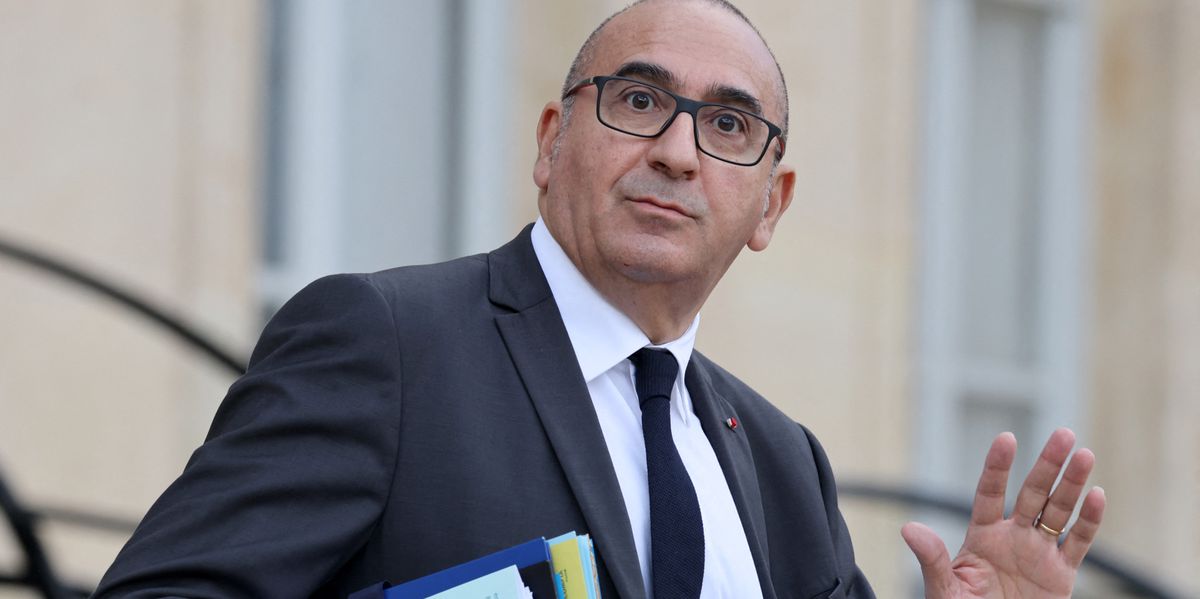
Laurent Nunez said there had been a 'lack of anticipation' in preparations and that he had tendered his resignation to French President Emmanuel Macron, which was not accepted https://t.co/NqX8r6SuvJ
In the immediate aftermath, the political pressure on the administration reached a fever pitch. On October 18, Interior Minister Laurent Nuñez, the official responsible for the nation’s security apparatus, offered his resignation. It was a move that acknowledged the gravity of the failures that had allowed the protests to descend into anarchy. Yet, on October 19, President Macron made a decisive, if controversial, choice: he refused the resignation. By keeping Nuñez in his post, Macron signaled that he was not yet ready to dismantle his cabinet, even as he demanded a rigorous accounting for the security failures that had left city centers vulnerable to pillage and destruction.
Macron’s refusal to accept the resignation did not equate to an endorsement of the status quo.
Macron’s refusal to accept the resignation did not equate to an endorsement of the status quo. On the contrary, the President demanded immediate transparency regarding the intelligence and anticipation failures that had left authorities flat-footed. He insisted on a complete overhaul of the current order maintenance doctrine. The President’s directive was clear: the government must deploy new modes of action on the ground as quickly as possible to combat the "casseurs," or rioters, who had exploited the protests to incite violence. This shift suggests a move toward more proactive, intelligence-driven policing, aimed at preventing the kind of rapid escalation that defined the October events.

🇫🇷 French President Emmanuel Macron rejects Interior Minister Laurent Nunez’s resignation following violence and looting during weekend protests ▪️ Nunez submits resignation amid criticism over authorities’ handling of unrest ▪️ Minister acknowledges police ‘loss of control’ in some cities and ‘lack of anticipation’ in security deployment https://t.co/f7a7VyG2pJ
Beyond the immediate security concerns, the government moved to address the economic fallout of the riots. Macron convened a crisis cell to look into the judicial, commercial, and economic ramifications of the destruction. This effort included meetings with a wide array of stakeholders, including merchants, distributors, and representatives from the banking sector, all of whom were left to assess the damage to their livelihoods. Simultaneously, a crisis meeting called by Sebastien Lecornu underscored the administration's attempt to coordinate a multi-pronged response. While Macron acknowledged the legitimacy of the peaceful protesters' demands, he remained firm in his promise to severely punish those responsible for the violence, drawing a sharp line between legitimate grievance and criminal destruction.
As of late October 2026, France remains in a state of uneasy transition. The government is attempting to balance the need for public order with the underlying pressures of the cost-of-living crisis that ignited the unrest in the first place. With the Interior Minister still at his desk and a new security strategy in the works, the administration is betting that it can stabilize the country through a combination of institutional resilience and tactical reform. Whether this approach will satisfy a public that has witnessed the worst violence in years, or whether the underlying tensions will continue to simmer, remains the central question for the French Republic.

🇫🇷 BREAKING NEWS | MACRON MAKES KEY DECISION French President Emmanuel Macron has rejected Interior Minister Laurent Nuñez’s offer to resign following the widespread violence that accompanied protests over the rising cost of living. The Élysée says Nuñez will remain in office to maintain continuity within the police and national security command structure. Macron has also instructed the minister to develop measures to tackle looting and violent disorder. The decision comes as the government faces mounting pressure to restore public order, protect businesses and reassure communities affected by the unrest. France’s leadership now faces a major challenge: restoring stability while addressing the social grievances that brought people onto the streets. #France #Macron #BreakingNews 🇫🇷