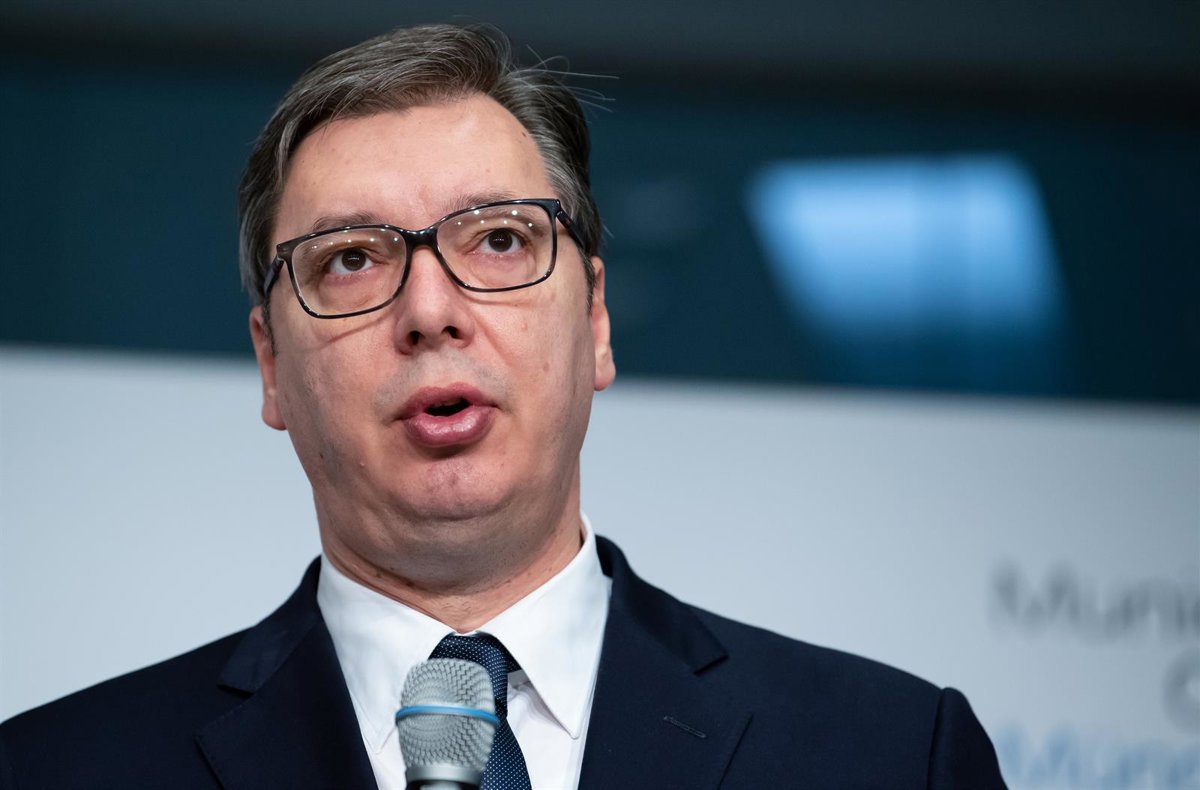
The political landscape of Serbia has been defined for a long time by the steady, unyielding grip of the Serbian Progressive Party. But on the night of the early general elections, the silence in Belgrade was shattered not by the cheers of a winning team, which had seemed certain for a decade, but by the heavy weight of a sudden, historic defeat. It was a moment that had seemed impossible to many international observers until recently, where the student-led movement that has been active for two years finally translated its frustration into a mandate for change.
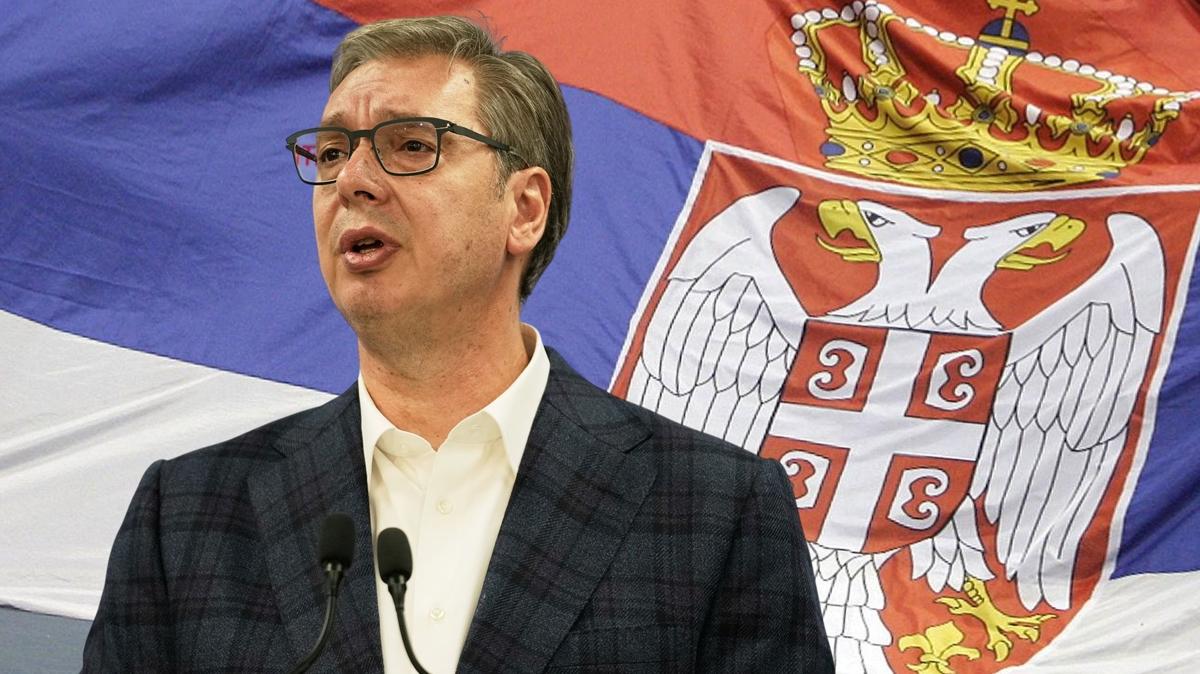
The roots of this political shift cannot be separated from the physical and social crises that plagued the country in the 2024 period. A landmark tragedy struck the public consciousness when the main train station in Novi Sad collapsed, leading to 16 deaths. This incident raised urgent questions about the role of corruption in the disaster and prompted scrutiny of the government’s subsequent attempts to cover up the truth. As these issues festered, student protests against corruption and authoritarianism grew in frequency and intensity, eventually setting the stage for the early legislative elections that followed. These were not just standard parliamentary contests; they were increasingly viewed as a referendum against the long-standing leader himself.

Celebrations have erupted in the streets of Serbia's capital Belgrade, after long-standing leader Aleksandar Vučić admitted defeat to a student-led protest movement in snap parliamentary elections. Read more: https://t.co/iOYTfXzeuc https://t.co/gQ2qDuPgU3
Inside the SNS headquarters in Belgrade, the atmosphere was tense and heavy. Aleksandar Vucic, the long-standing leader of Serbia who had resigned as president to run for prime minister, stood before his colleagues to address the fallout. It was a rare public moment of vulnerability for a leader known for his resilience. He addressed the gathering after results showed the 'First List' had secured more seats in parliament, leaving the outcome clear. Vucic stated, "Based on the data we have, it is clear that we have lost this election. The Student List won."
The scale of the participation in these early elections was massive, with over 6.
He went on to provide a stark numerical breakdown of the loss: "The Student List will have approximately 135 to 140 seats, and we will have 105. No one else has entered the parliament, except for the Hungarians of Vojvodina with three seats and the Albanians, the SDA." The 2026 election marked a significant turning point, as it represented the first time since 2012 that there was a genuine chance of political alternation in Serbia.
The scale of the participation in these early elections was massive, with over 6.4 million registered voters participating in the process. By 18:00, voter turnout had reached 65%, a high figure that signaled a public eagerness to engage with the political process despite the surrounding tension. The final turnout was recorded at 67.6%. In the end, the opposition 'Studenten Liste' won the election, securing a majority of the seats in the new Serbian National Assembly. While the student-led parties were projected to win between 135 and 140 of the 250 total seats, Vucic's party managed to hold onto 105 seats. The victory of the 'First List' meant that the opposition had successfully secured more seats in parliament than any other group, fundamentally altering the balance of power.

Serbia’s Strongman Leader Vucic Concedes Defeat To Student-led Movement In Seismic Political Shift Serbia's long-serving strongman leader, Aleksandar Vucic, has conceded defeat. https://t.co/QCa3aSsbzP https://t.co/NESh6mrA5p
Despite the definitive results, the election was not without its turbulence. Incidents of violence and allegations of election fraud marred the day, casting a shadow over what was meant to be a clean democratic exercise. The concern was not limited to domestic borders. Andreas von Beckerath, representing an international perspective, addressed the unrest: "We are deeply concerned about the incidents of violence and call on all actors to remain calm, act responsibly, avoid violence and threats, and ensure the safety of all participants in the electoral process." With approximately 20,000 observers monitoring the proceedings, the stakes for the integrity of the vote were high.
As the dust settled, Vucic framed the loss as a decisive public repudiation of his tenure. The final voter turnout was recorded at 67.6%, with more than 6.4 million registered voters taking part in a contest that many viewed as a referendum against Vucic. In a particularly biting remark to his own supporters, Vucic stated: "Congratulations to you, even if you are only the perpetrators of a dirty job designed by others." This comment signaled his intention to continue the fight from the opposition side, even as he took responsibility for the defeat and vowed to keep going despite the historic shift in power.


TODAY: Vučić is out after 14 years. Lula is in for a fourth term. 🇷🇸 Serbia: Aleksandar Vučić has conceded defeat after more than a decade in power. The student-led Students’ List, born from two years of protests after the deadly 2024 Novi Sad canopy collapse, won about 52% to 32% for Vučić’s SNS. 🇧🇷 Brazil: Lula has won a historic fourth term, beating Flávio Bolsonaro 51.7% to 48.3% after trailing him in the first round.
Today, Serbia stands at the threshold of a new era. The victory of the student-led opposition is a clear signal of a potential political shift, one driven by a populace that has watched its infrastructure fail and its leadership ignore their concerns for years. For the first time in over a decade, the country is looking toward a future where the established political order may be replaced. The transition from Vucic's dominance to the leadership of the 'Studenten Liste' is just beginning, but the foundations of the previous system have undeniably cracked.