
In an era of financial uncertainty, Singapore's DBS Group has faced a significant challenge. On November 5, 2026, the bank reported a 5% fall in its third-quarter net profit, marking a stark contrast to the resilient performance expected by market analysts. This decline, while modest, underscores the broader economic challenges faced by financial institutions in a volatile market environment. The bank's leadership is also undergoing a transition, with plans for a new chairman to take the helm in early 2027. These developments come as DBS navigates a complex landscape of rising global risks and fluctuating financial markets.
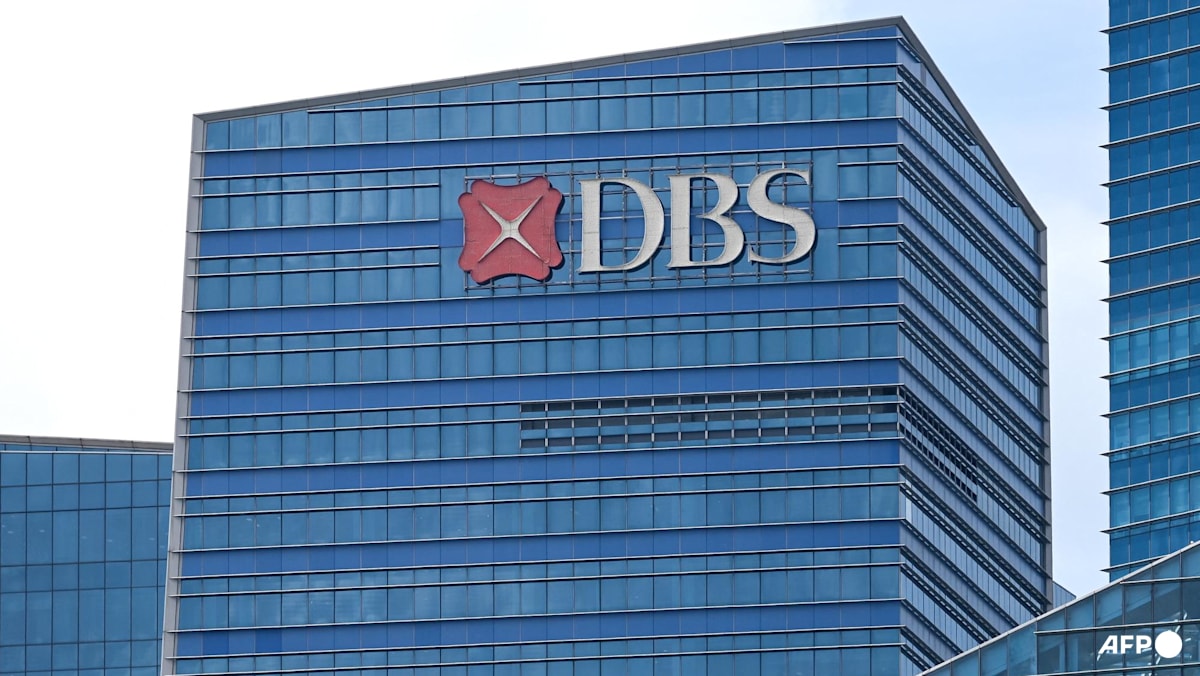
DBS Group's third-quarter net profit fell to S$2.81 billion, a 5% drop from the S$2.90 billion average forecast of four analysts surveyed by LSEG. This shortfall, despite a resilient wealth management and fee income, signals the significant impact of market volatility. The bank's trading income, a critical component of its revenue, plummeted by 65% year-on-year, to S$152 million. This substantial decline in trading income highlights the broader challenges faced by financial institutions in a market characterized by uncertainty and volatility.
While the overall financial performance was disappointing, DBS's wealth management and fee income remained relatively stable, a testament to the bank's diversified revenue streams. Wealth management, a key growth area for many financial institutions, has shown resilience in the face of market turbulence. This performance is crucial for DBS, as it underscores the bank's ability to generate consistent income even when trading conditions are unfavorable. The resilience of wealth management and fee income is a silver lining in an otherwise challenging quarter, providing some assurance to investors and stakeholders.
Market analysts, while neutral, have noted the significant impact of market volatility on DBS's performance.
In a move that signals strategic renewal, DBS Group announced that independent director Anthony Lim will succeed Peter Seah as chairman, effective January 1, 2027. This leadership change is part of a broader plan to refresh the bank's management team and navigate the evolving financial landscape. The transition of leadership is not just a personnel change but a strategic move aimed at ensuring the bank remains agile and adaptable in the face of ongoing market challenges. Anthony Lim's appointment is a clear indication that DBS is committed to maintaining its position as a leading financial institution in Singapore and beyond.
Market analysts, while neutral, have noted the significant impact of market volatility on DBS's performance. According to the LSEG survey, the average forecast of four analysts was S$2.90 billion, and the actual figure of S$2.81 billion fell short. This shortfall, despite the resilience in wealth management and fee income, is a clear indication of the broader market conditions. Analysts are keeping a close eye on how DBS will navigate these challenges and adapt its strategies to maintain its competitive edge in the face of rising global risks and fluctuating financial markets.
The profit decline and leadership changes at DBS Group are indicative of the broader challenges faced by financial institutions in a volatile market environment. As global risks continue to rise, financial institutions must adapt their strategies to remain competitive and resilient. The resilience of wealth management and fee income, while encouraging, is not enough to offset the significant decline in trading income. The leadership transition, with Anthony Lim at the helm, is a strategic move aimed at ensuring the bank remains agile and well-positioned to navigate these uncertain times. The coming months will be crucial for DBS as it faces the ongoing challenges of market volatility and seeks to maintain its position as a leading financial institution in Singapore and beyond.
As DBS Group prepares for a new chapter under Anthony Lim's leadership, the bank is poised to face the challenges of an uncertain market environment. The profit decline, while a setback, is a reminder of the broader economic challenges faced by financial institutions. The resilience of wealth management and fee income, combined with the strategic leadership changes, provides hope for a brighter future. The coming months will be critical as DBS navigates these challenges and adapts its strategies to maintain its competitive edge in the face of rising global risks and fluctuating financial markets.