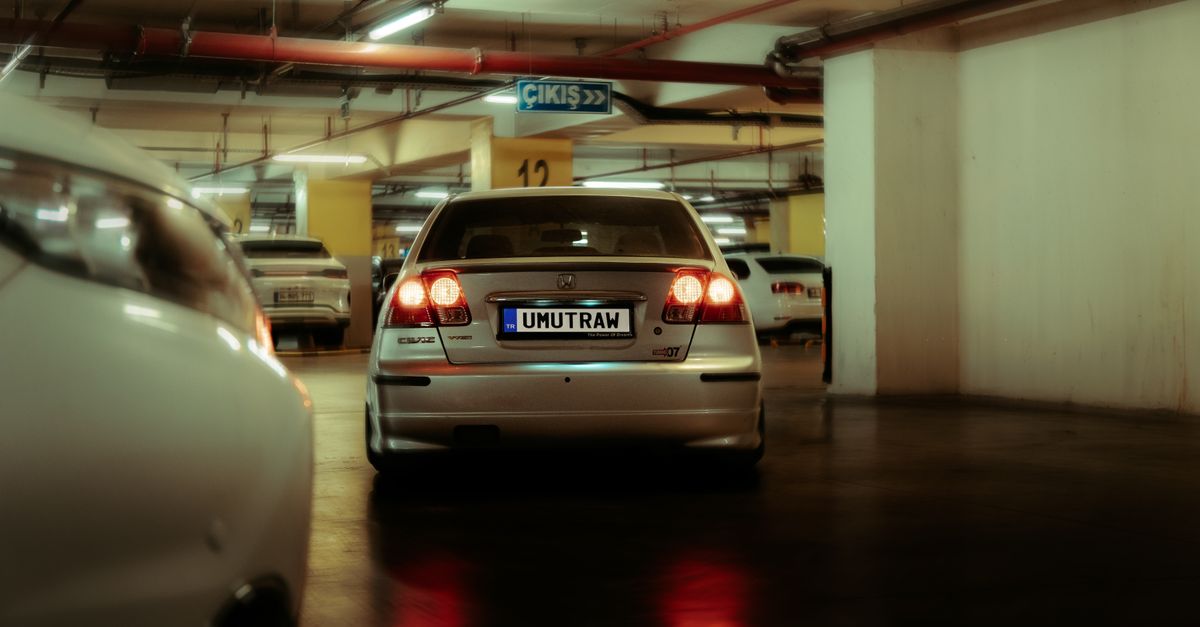
For anyone who has watched urban drainage systems buckle under the weight of an unyielding sky, the danger rarely arrives as a slow creep. It tends to happen all at once. On October 14, 2026, severe rainfall and storms struck Istanbul’s Sarıyer district. In neighborhoods like Ayazağa Mahallesi, the sky did not simply open; the heavy rain quickly overwhelmed the area, leading to flash floods.

Flash floods and landslides followed with terrifying swiftness. When an urban center encounters water moving at high velocity down steep grades, concrete and asphalt cease to function as infrastructure and instead behave like riverbeds. The geography of Sarıyer—with its elevated roads, terraced gardens, and retaining walls—became the very mechanism of its own inundation.
As the storm battered the district, the sheer weight of the water found every vulnerability in the engineered landscape. Tons of floodwater began to pour down from elevated roads and gardens, spilling over retaining walls in unbroken sheets that resembled natural waterfalls. This was not merely pooling rain; it was a cascading hydrodynamic force that seized control of the vertical spaces between the city’s tiers.
In our modern era, disasters of this scale are rarely experienced in silence.
Main roads were inundated by floodwaters. In a landscape so thoroughly dominated by stone and steel, the sudden resurgence of raw hydrological power created an immediate and visceral hazard for anyone caught in transit. The concrete pathways designed to separate pedestrians and traffic from the earth suddenly acted as funnels, directing the runoff straight into the path of daily life.
Among the most immediate casualties of the torrent were the vehicles moving through the district. Numerous automobiles were swept away by the rising waters as the streets transformed into hazardous rapids. For the drivers navigating these sudden rivers, escape routes closed in a matter of seconds, leaving them trapped inside their cars as the water levels climbed against the glass.
In our modern era, disasters of this scale are rarely experienced in silence. The terrifying reality of drivers caught in rising cabins and cars shifting helplessly in the current was captured vividly on mobile phone cameras, turning private moments of panic into immediate, public documentation of a neighborhood overwhelmed by the elements.
While the streets bore the brunt of the cascading hillside runoff, the storm's reach extended deep into the commercial architecture of the district. Intense and intermittent heavy rainfall continued across Istanbul, intensifying further into the evening and setting its sights on the enclosed spaces where people had sought shelter from the storm.
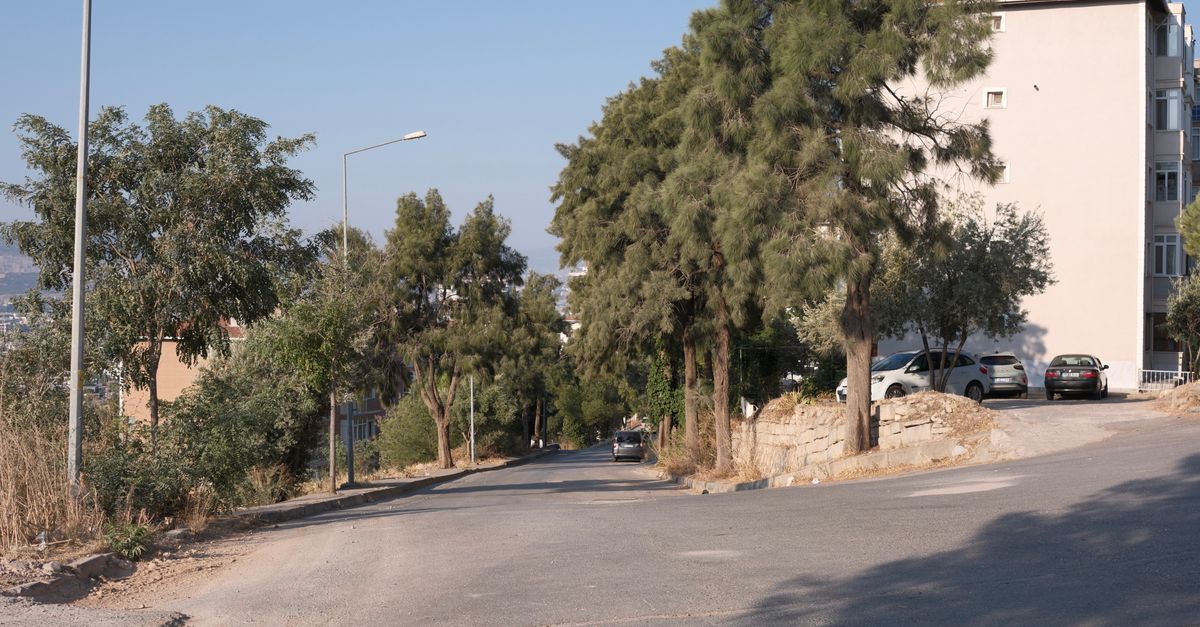
The multi‑story enclosed parking lot of a local shopping mall in Sarıyer—a structure engineered to handle steady streams of commerce and modern convenience—proved no match for the volume of the storm. Rapidly rising floodwaters poured into the subterranean and multi‑level bays, transforming the parking floor into a sprawling, subterranean pool.
Inside the enclosed garage, the water rose with silent, deceptive speed. Within a short span, numerous parked vehicles were submerged up to their wheels and bumpers, turning rows of orderly personal property into a fleet of stranded hulks bobbing in an artificial lake.
The transition from a standard afternoon errand to a crisis happened with jarring abruptness. Shoppers and car owners inside the mall faced a sudden panic as they realized the safety of the interior was severed from the garage below, where their investments and means of transport were rapidly disappearing beneath the floodwaters, recorded all the while by citizens holding up their mobile phone cameras to chronicle the surreal sight.
Storms of this magnitude leave behind more than just damaged metal and flooded concrete; they expose the narrow margin between daily routine and sudden environmental chaos. On October 14, 2026, the flash floods in Sarıyer and the flooded commercial garage served as a stark reminder of how quickly urban spaces can be reclaimed by water.
Today, as the district recovers from the immediate fallout of the storms, the images of waterfalls tumbling over retaining walls and cars swallowed by parking lot pools remain vivid testaments to that evening. The infrastructure stands, but the memory of the waters that bypassed the concrete and rushed straight to the heart of the district lingers as a sobering baseline for what the skies can deliver.