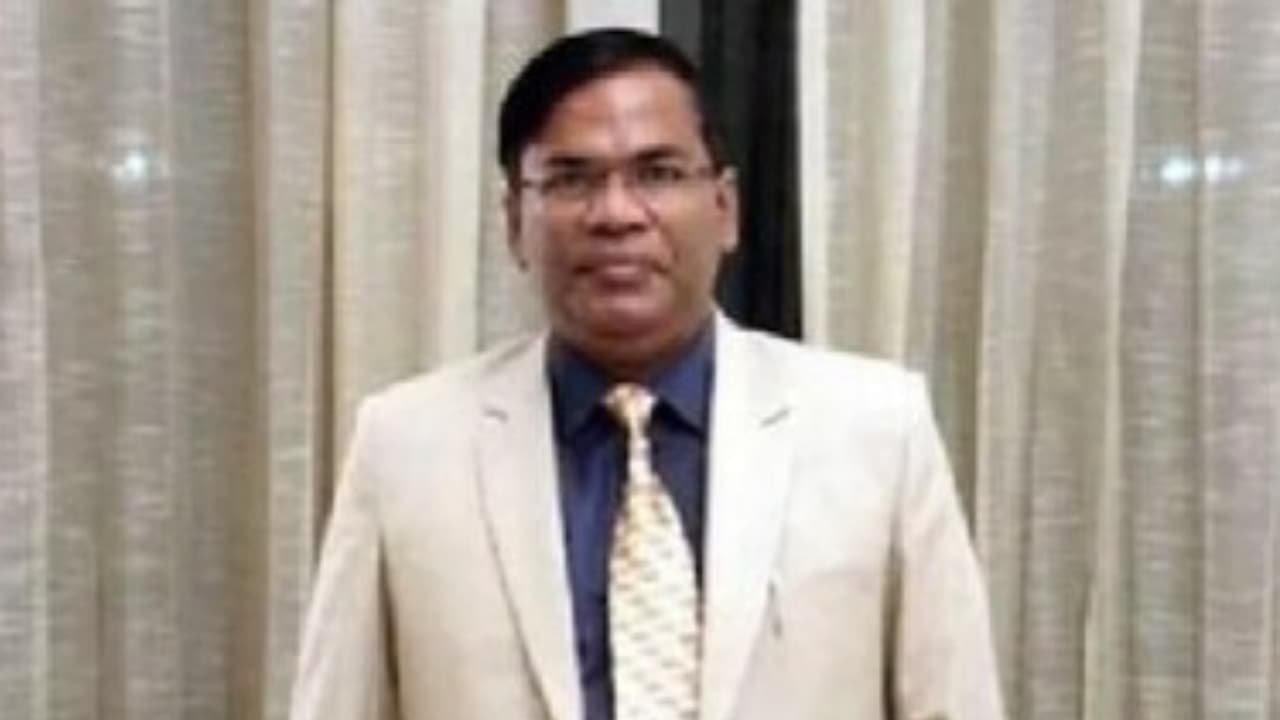
In the span of just six months, between April and September 2023, a district judge in Andhra Pradesh issued 23 death sentences—a striking number that would eventually draw the attention of India's higher judiciary. The judge in question, Ravikumar Deo, was presiding over cases that came before him in his capacity as a sessions judge, a position responsible for trying serious criminal offenses. His judicial output during this period was extraordinary, raising eyebrows within the legal community and prompting scrutiny from the highest courts.
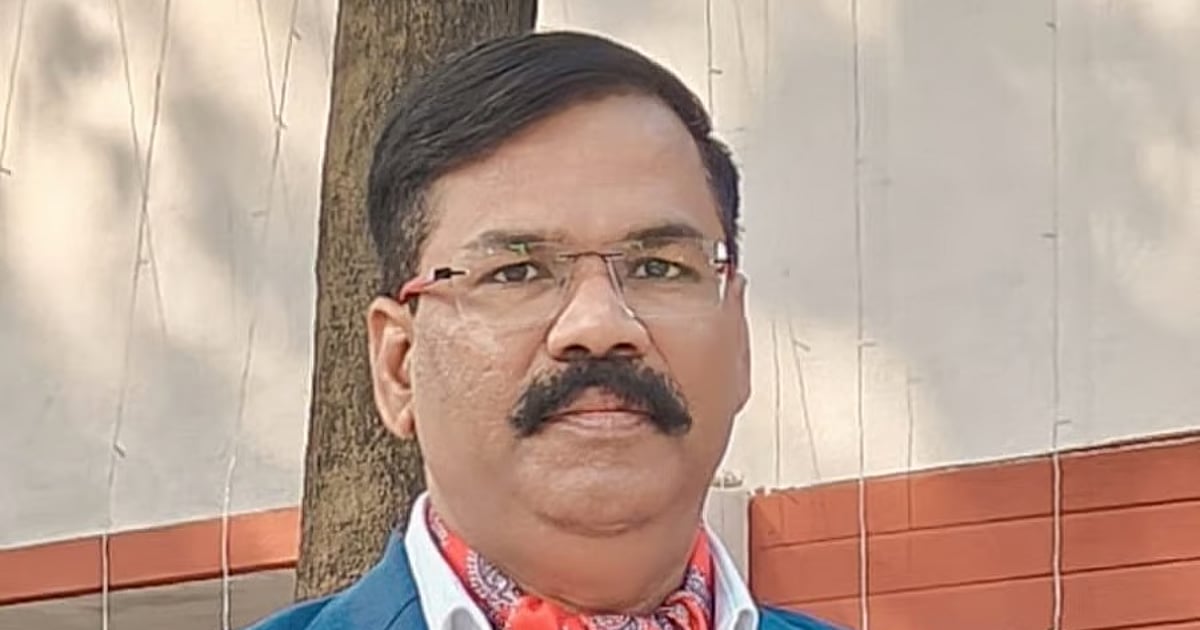
The situation had reached a critical juncture by the time the Supreme Court of Allahabad initiated legal proceedings against Deo, citing his unprecedented rate of death penalty verdicts. In response, the judge was transferred from his position in Andhra Pradesh to a family court in Musafir Nagar, Uttar Pradesh. This administrative move effectively removed him from handling criminal cases, particularly those involving capital punishment. The transfer came as a direct result of orders issued by sessions judge B.K. Singh, who had overseen the transfer of 97 cases to the district court for expedited proceedings.
The circumstances surrounding Deo's transfer and the subsequent legal proceedings have sparked a broader conversation about the independence of India's judicial system. Rev. Kumar Divakar questioned the independent implementation of the judicial system and the administrative limits allocated to district judges, while Judge B.K. Singh ordered 97 cases transferred to the district court for expeditious proceedings. This has prompted concern within the judiciary about how cases are managed and how judicial discretion is exercised, particularly in capital punishment matters.
Singh appears to be an administrative response to concerns about case backlogs and judicial efficiency.
Behind the statistics and legal proceedings are the 23 individuals who received death sentences during Deo's six-month tenure. Each case represents a complex legal drama with profound human consequences. The death penalty is the most severe form of punishment in India's legal system, reserved for what the law considers the "rarest of rare" crimes. The sheer volume of such sentences handed down by a single judge in a short period raises questions about whether each case received the careful consideration it deserved.
The transfer of 97 cases by Judge B.K. Singh appears to be an administrative response to concerns about case backlogs and judicial efficiency. By redistributing these cases, the court system aimed to ensure that trials proceed more expeditiously. However, the transfer of Deo himself to a family court suggests that his handling of capital punishment cases was deemed problematic by higher authorities. Family courts typically handle civil matters like divorce, child custody, and property disputes—a stark contrast from the criminal cases involving life-and-death decisions that Deo had been presiding over.
The Supreme Court of Allahabad initiated legal proceedings against Ravikumar Deo in response to the extraordinary number of death sentences he issued. These proceedings will examine whether his judicial conduct met the expected standards and whether the death sentences he issued were appropriate. The case has drawn attention to the delicate balance between judicial independence and administrative oversight in India's legal system. While judges are meant to be independent in their decision-making, they are also subject to review by higher courts when their conduct raises concerns.
The situation involving Judge Deo has become a focal point for discussions about India's death penalty regime and judicial administration. Critics argue that the high number of death sentences issued in a short period may reflect a systemic issue that needs addressing. Supporters of the transfer maintain that it was necessary to maintain the integrity of the judicial process. As the legal proceedings continue, the case will likely serve as an important precedent for how the Indian judiciary handles judges whose decisions attract significant controversy.